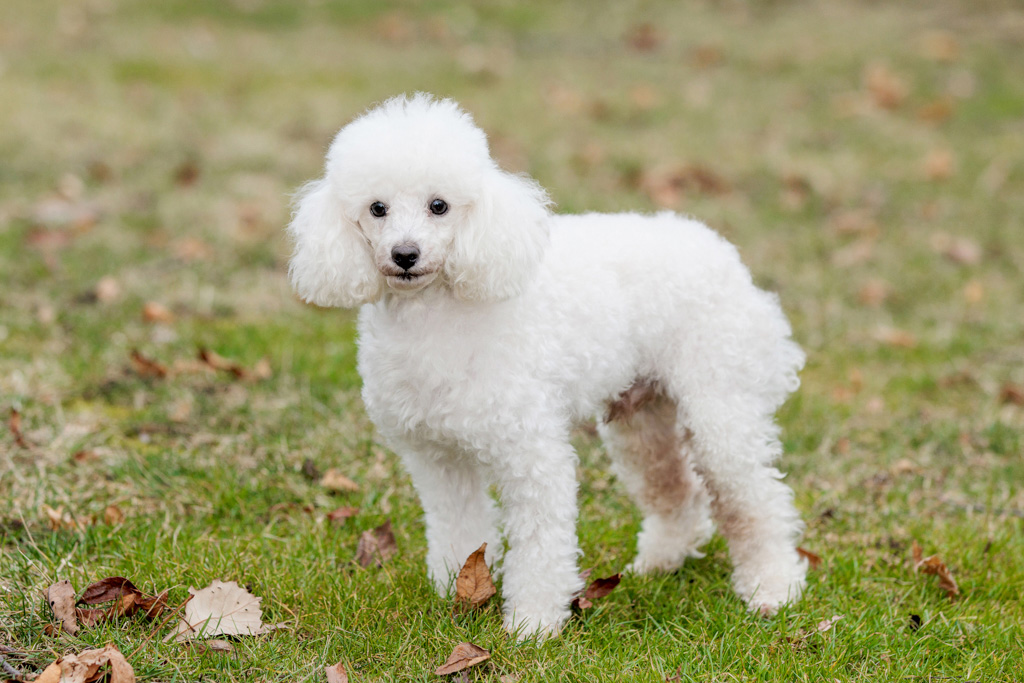
Royal Minidoodles are known for their affectionate personalities, intelligence, and beautiful, often fluffy coats — but they also come with energy to burn. As a cross between a Miniature Poodle and an English Cream Golden Retriever, these dogs inherit an active, eager-to-please nature from both parent breeds.
Understanding how much exercise your Minidoodle needs (and what kind) is essential to raising a well-balanced, healthy, and happy dog — especially during the high-energy puppy months.
Understanding the Minidoodle Breed Mix
While the word “mini” may imply a small, low-energy companion, Minidoodles tend to be medium-sized dogs with moderate to high energy levels. Most Royal Minidoodles range from 30 to 45 pounds, with some leaning larger depending on their lineage.
Their Miniature Poodle roots bring intelligence, agility, and a love for structure. The English Cream Golden Retriever side adds affection, enthusiasm, and a natural zest for play. Put simply — this is a dog who loves to move, think, and engage with their people.
Why Exercise Matters for Minidoodles
Regular activity is more than a physical need for this breed — it’s crucial for their mental and emotional well-being.
Benefits of daily exercise include:
- Preventing obesity and related health issues
- Reducing anxiety, boredom, and destructive behavior
- Supporting joint and muscle development
- Improving sleep and settling behaviors at home
- Strengthening your bond through shared activity
Minidoodles are happiest when both their body and mind are engaged — which makes a varied routine the ideal approach.
How Much Exercise Does a Minidoodle Need?
Most Minidoodles need 45 to 60 minutes of exercise daily, split into manageable sessions throughout the day. Puppies and young adults often need shorter bursts of activity more frequently, while adults may thrive on longer, structured outings.
A balanced daily routine might include:
- A 20–30 minute morning walk
- Afternoon playtime or training session
- Evening enrichment or a low-key stroll
As your dog matures, their specific exercise needs may shift. Watch for signs of restlessness (or exhaustion), and adjust accordingly.
Types of Exercise: Physical + Mental Stimulation
This is a brainy breed. That means a walk around the block won’t cut it every day.
Physical activities to try:
- Brisk walks or gentle jogs
- Fetch or tug-of-war
- Off-leash play in a secure area
- Beginner agility or obstacle courses
Mental stimulation options:
- Puzzle feeders and interactive toys
- Obedience and trick training
- Scent work or hide-and-seek games
- Short shaping sessions (training games that build focus)
Even 15 minutes of focused brain work can leave your dog just as tired — and fulfilled — as a long walk.
Adapting Exercise to Age, Health, and Season
Puppies:
Young Minidoodles need multiple short play sessions each day. Avoid high-impact activities like jumping until their joints are fully developed.
Adults:
Adult Minidoodles benefit from consistency and structure. Mix high-energy and low-key days to avoid burnout or overuse.
Seniors:
Older Minidoodles still need exercise, but may prefer gentler walks and softer play. Shorter sessions more often can help maintain mobility and prevent stiffness.
Weather tips:
- Avoid midday walks in hot weather
- Use booties or paw balm in cold or salted conditions
- Always provide fresh water during and after play
Safe Exercise Practices for Minidoodles
Like all breeds, Minidoodles can be prone to certain health issues, including hip dysplasia and joint sensitivity — especially if they’re larger or more active.
To keep things safe:
- Avoid repetitive jumping or hard landings
- Stick to soft surfaces for fetch or running
- Monitor for signs of fatigue, limping, or overexertion
- Talk to your vet before starting a new sport or high-impact activity
Hydration, rest, and variety are all part of a sustainable exercise routine.
Tips to Keep Your Minidoodle Happy and Active
- Mix it up: Rotate between activities to avoid boredom
- Stay social: Playdates with other friendly dogs build social skills
- Keep it fun: Use toys, treats, and praise to make exercise rewarding
- Listen to your dog: Energy levels can fluctuate with age and lifestyle
The goal is to create a rhythm that fits your life and keeps your dog physically healthy and emotionally fulfilled.
Final Thoughts
Royal Minidoodles are joyful, athletic companions that love to move, learn, and play. With a consistent routine that includes both physical and mental exercise, your Minidoodle will thrive — whether you live in a house with a yard or a cozy apartment.
As with any breed, the key is balance. Pay attention to your dog’s individual needs, and remember: a tired Minidoodle is a happy (and well-behaved) Minidoodle.