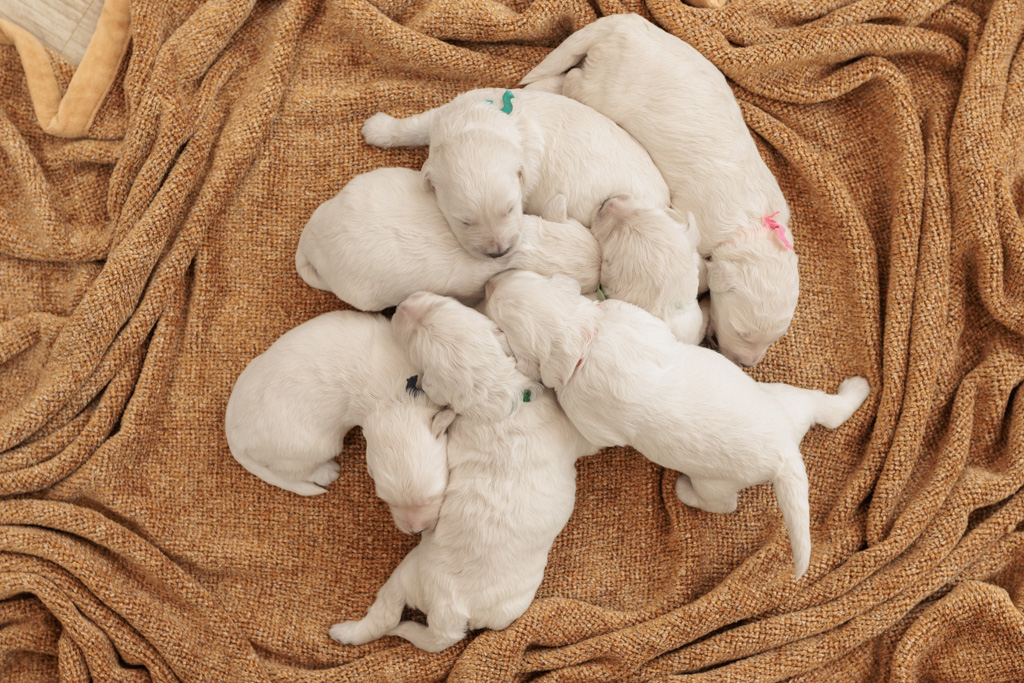
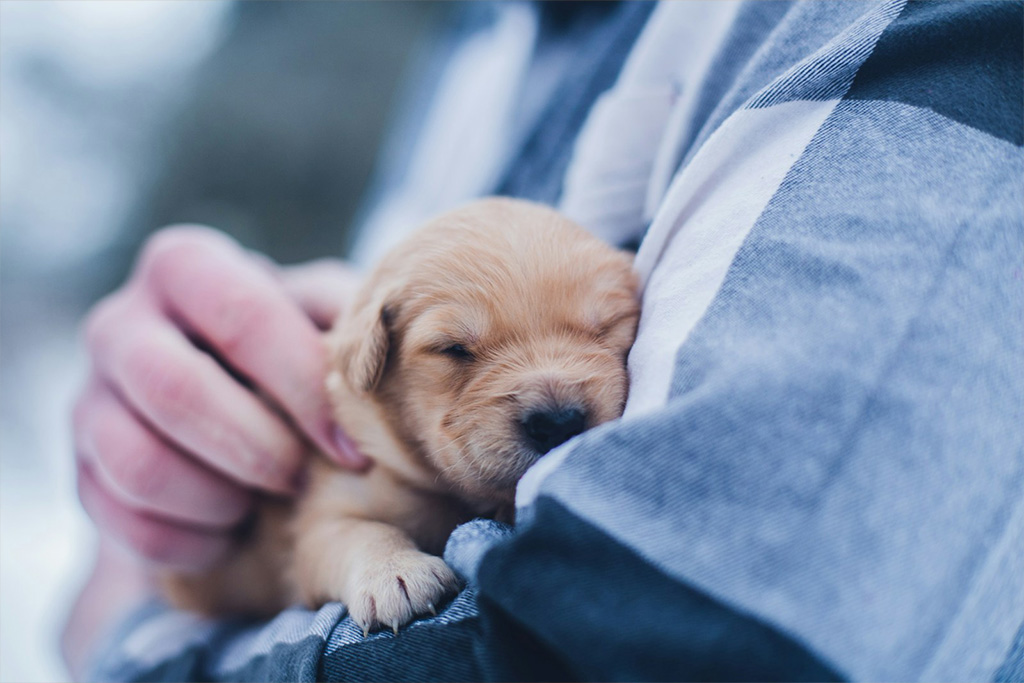
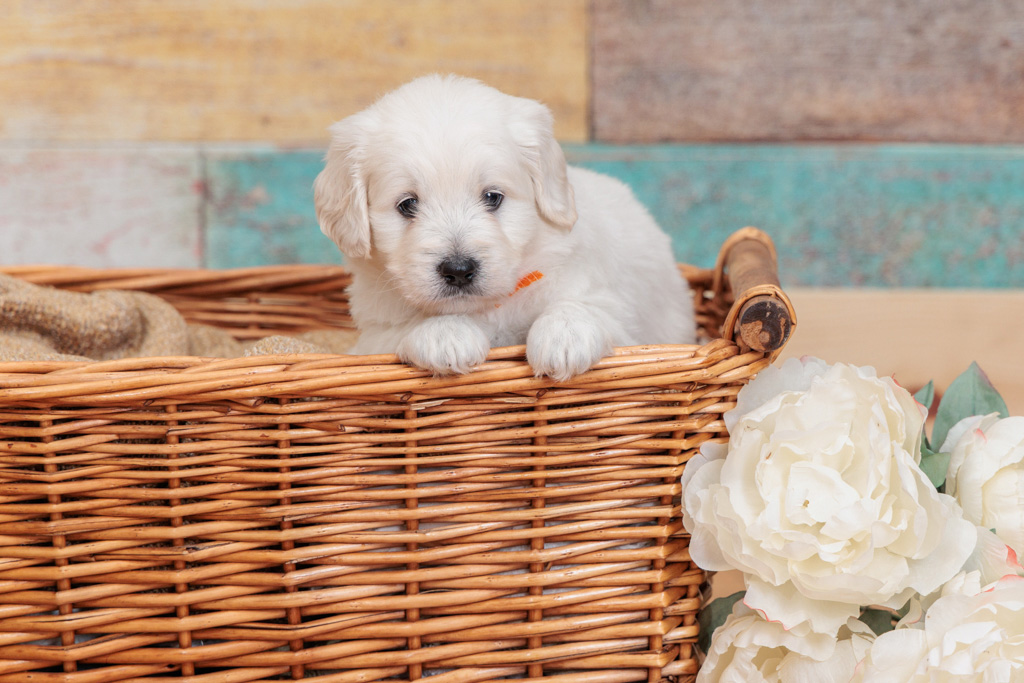
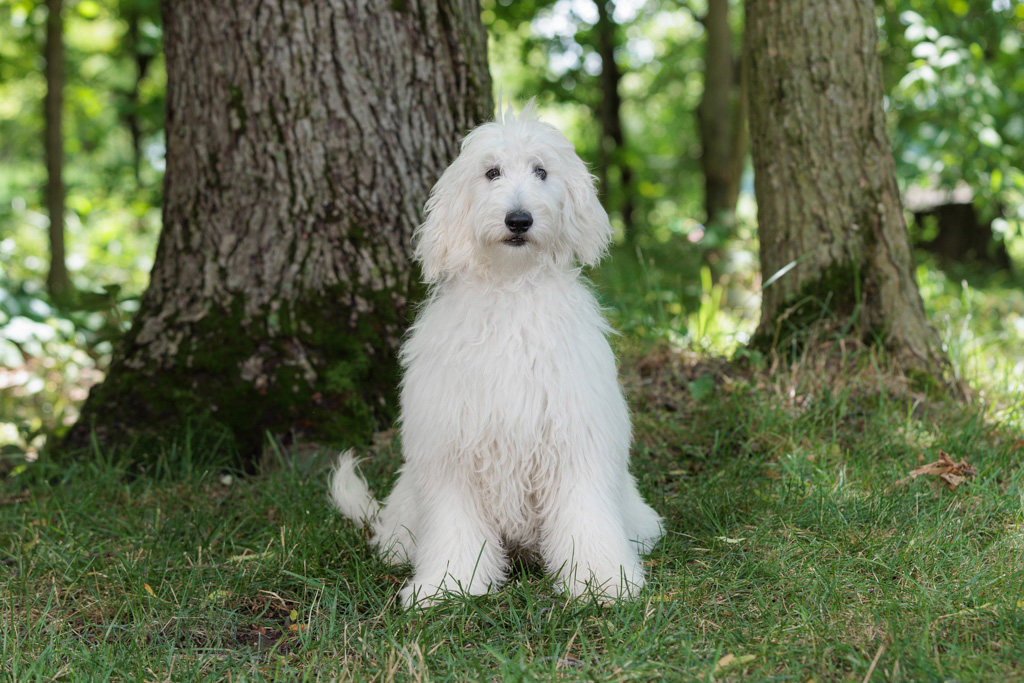
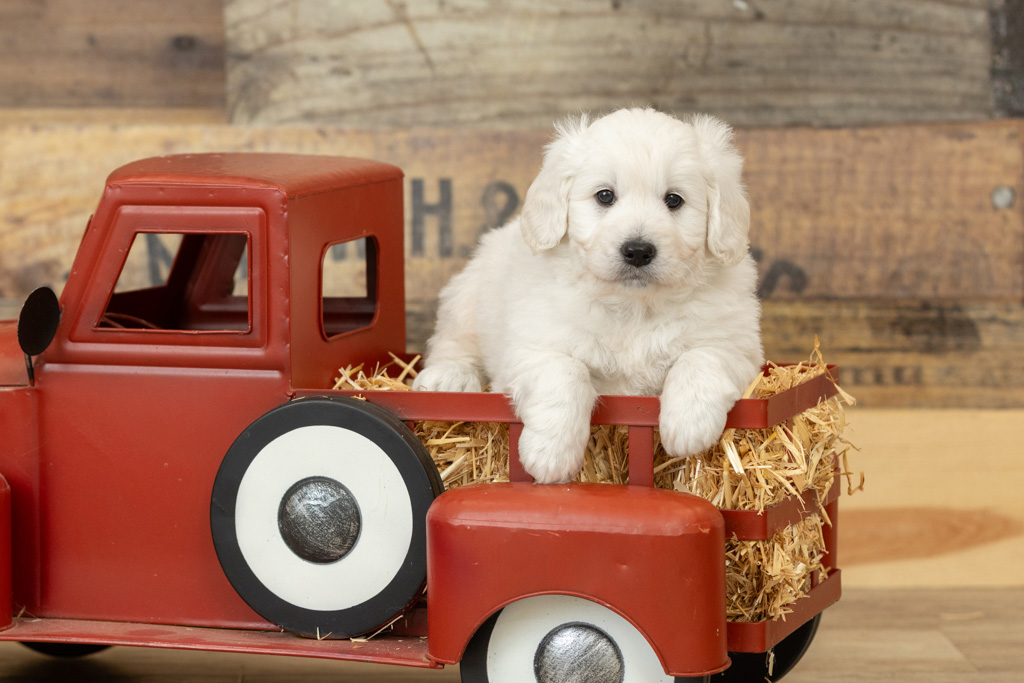
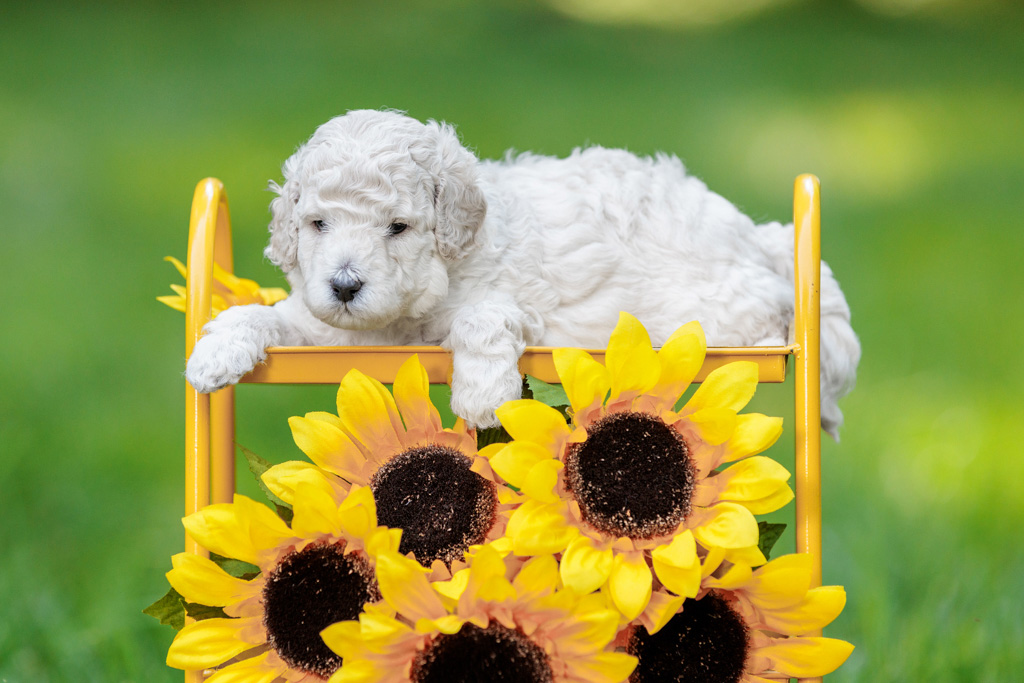
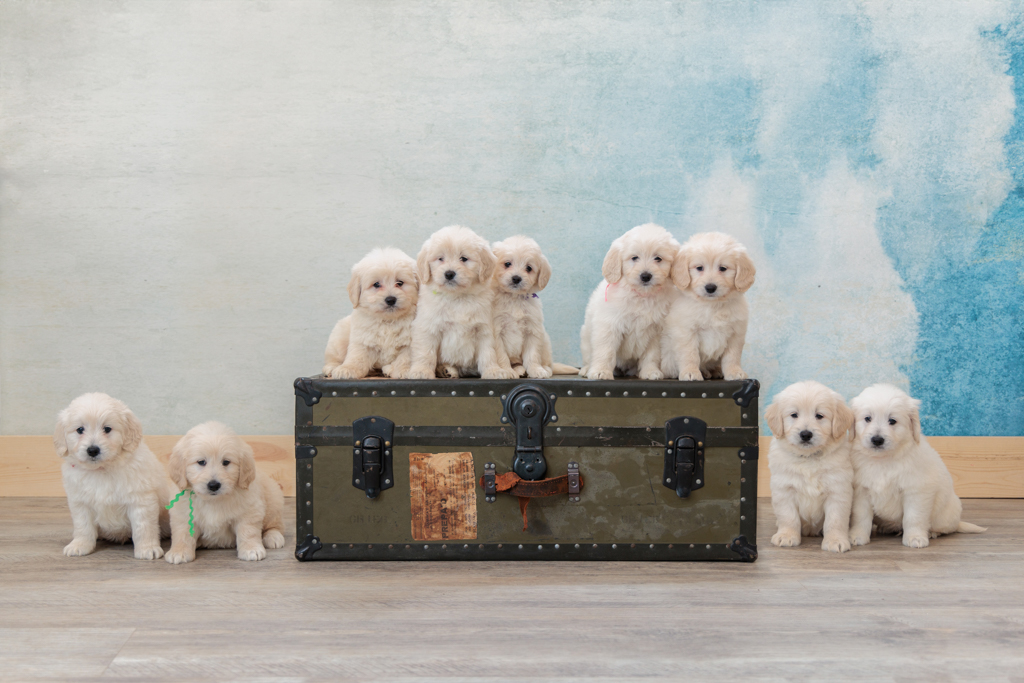
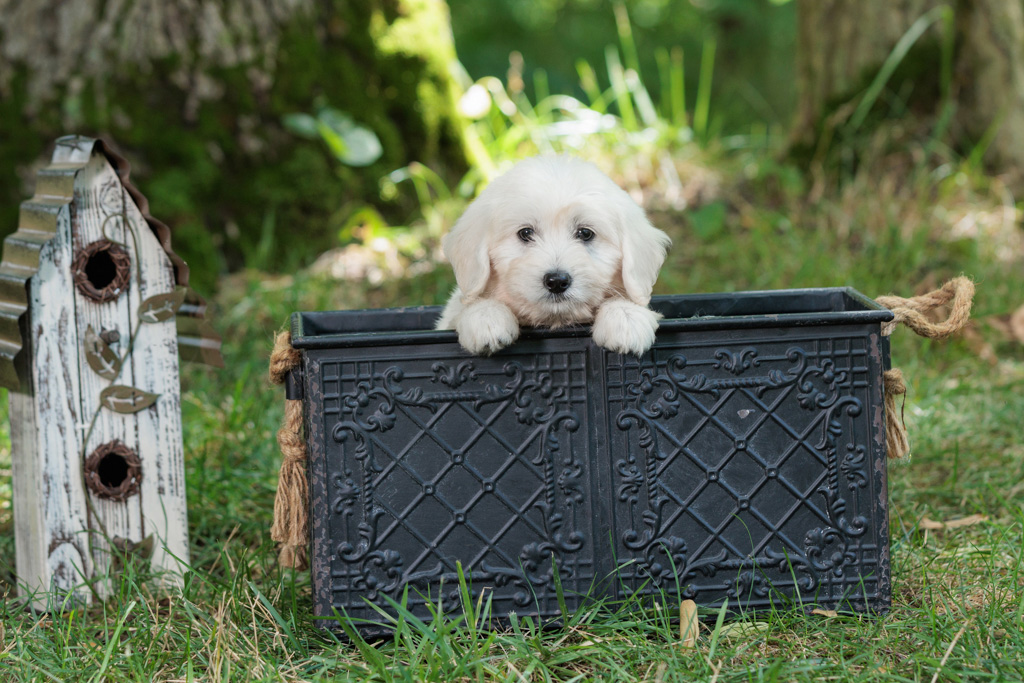
Bring a Golden Minidoodle puppy home today!

Tips for Walking Dogs in Cold Weather

Walking your dog in cold weather can be a challenge. It’s not just about bracing the chill, but also ensuring your furry friend’s comfort and safety.

Understanding your dog’s needs during the colder months is crucial. Different breeds have varying tolerance levels to cold, and age or health conditions can also play a part.

Preparation is key. From choosing the right gear to knowing the signs of discomfort, every detail matters. It’s about making the walk enjoyable for both you and your dog, despite the cold.

During the walk, you need to be vigilant. Monitoring the weather, keeping your dog visible, and staying on cleared paths are just a few things to consider.

After the walk, your job isn’t over. Checking your dog for any signs of distress and creating a cozy recovery space are essential steps.

In this article, we’ll delve into these aspects and more, providing you with comprehensive cold weather dog walking tips. Let’s make those winter walks safe and fun for your canine companion.

Understanding Your Dog’s Cold Weather Needs

Every dog reacts to cold differently. Some breeds, like Huskies, thrive in chilly conditions, while others, like Chihuahuas, might struggle more.

It’s important to observe your dog closely. Changes in behavior can indicate discomfort due to the temperature. Shivering or reluctance to walk can be signs that your dog is too cold.

Consider your dog’s health and age as well. Puppies, seniors, and those with medical conditions are often more sensitive to cold weather.

Acclimate your dog gradually to cold temperatures. Shorter walks initially can help them adjust. Pay close attention to their behavior during these transitions.

Preparing for the Walk: Gear and Safety

Walking your dog in cold weather requires preparation. Proper gear ensures their comfort and safety.

A good-quality dog coat is essential. It provides warmth and insulation, especially for short-haired breeds.

Booties protect paws from salt and ice. They also prevent injuries from sharp objects hidden under the snow.

Dog walking gear like a harness can provide better control. It avoids pressure on your dog’s throat, which can be problematic in cold weather.

Keep an emergency kit ready. Include items like pet-safe ice melts and a first aid kit.

Being prepared for cold weather not only helps your dog but also ensures you have a stress-free experience.

Choosing the Right Dog Walking Gear

Choosing the right gear is crucial for cold weather. Not all dogs need the same equipment.

A well-fitted coat keeps your dog cozy. Look for one that’s water-resistant and covers the back and belly.

Booties should fit snugly. They protect against salt and ice accumulation between the paw pads.

Reflective gear enhances visibility. This is particularly important during darker winter days when daylight is limited.

Cold Weather Safety Essentials

Before stepping out, monitor the temperature and weather conditions. Extreme cold can be harmful to your dog.

Stay on cleared paths. Ice and snow can conceal dangers such as sharp objects or hazardous chemicals.

Keep your dog leashed during snowy walks. It’s easy for them to get lost or injured if they wander off.

Schedule walks during the warmest part of the day. This minimizes cold exposure and makes walks more pleasant for both of you.

During the Walk: Cold Weather Tips and Precautions

When venturing out, it’s vital to be cautious. Dogs are sensitive to cold, so their safety should be your priority.

First, always check the ground surface. Ice can cause slips and falls for both you and your dog.

Pay attention to your dog’s behavior. Hesitation or lifting paws may indicate discomfort from the cold.

Here are some tips to ensure a safe walk:

  • Stick to pathways with minimal snow build-up.
  • Let your dog lead the way when they become excited about sniffing or marking.
  • Avoid deep snow that might be too challenging for smaller dogs.
  • Plan routes that are familiar to reduce chances of getting lost.
  • Control your dog’s excitement, especially when they see other dogs.
  • Keep walks shorter in extremely cold conditions.
  • Prevent ice accumulation on your dog’s fur and paws with regular checks.
  • Be cautious of road salt and its effects on paws.
  • Remain vigilant for signs of hypothermia, such as shivering or weakness.
  • Carry treats as positive reinforcement and encouragement.

Monitoring the Temperature and Weather Conditions

Cold temperatures can vary dramatically. It’s important to monitor conditions before leaving home.

Look out for wind chill, which can lower the temperature significantly. Very low temperatures can be dangerous, especially for dogs not used to cold weather.

Consider postponing the walk if severe weather is in the forecast. Safety should always come first.

Before setting out, ensure your dog is warm and prepped. Warming up indoors can prevent strain from sudden exposure to cold.

Recognizing and Responding to Signs of Discomfort

Your dog may show discomfort in cold weather. Watch for whining, shivering, or lifting their paws frequently.

If your dog seems hesitant to walk or appears distressed, it’s time to head back. Prolonging the walk could risk their health.

Act promptly if you notice signs of cold-induced discomfort. Shorten the walk and return to a warm environment.

Trust your instincts and your dog’s cues. It’s important to prioritize their comfort over the duration of the walk.

Keeping Your Dog Visible and Secure

Winter days can be darker, making visibility crucial for safety. Ensure your dog remains visible to you and others.

Reflective vests or leashes are useful. They make spotting your dog easier when daylight is scarce.

Consider adding a light to your dog’s collar for extra visibility. This is particularly helpful in busy or poorly lit areas.

Staying secure also involves keeping your dog leashed. Snowdrifts can hide treacherous terrain or hazards.

Post-Walk Care: Checking and Comfort

After a cold walk, it’s time to ensure your dog’s comfort and health. Begin by checking their fur and paws thoroughly.

Ice balls and mud can tangle in fur or freeze between paw pads. These can cause irritation if left untreated.

An inspection helps spot any injuries. Small cuts or cracked pads might need attention.

Next, dry your dog thoroughly. Moisture left on their fur can lead to chills indoors.

Consider a quick bath with warm water to remove any salt or chemicals from roads. This protects their skin.

Providing comfort after a walk is vital. Here are steps to create a cozy recovery:

  • Have a towel ready for drying your dog.
  • Brush fur to restore its softness and check for debris.
  • Offer a warm spot like a dog bed or blanket to relax.
  • Provide fresh water to keep them hydrated post-walk.
  • Check nails for any signs of damage from ice.
  • Massage paws gently to promote circulation and warmth.

Paw and Fur Maintenance After Cold Walks

Proper maintenance of your dog’s paws and fur is essential. Examine paws closely for injuries or embedded ice.

Gently wash and dry each paw, removing any harmful substances. Salt can be particularly irritating to paws.

Brushing your dog’s fur helps keep their coat shiny and free from tangles. It also aids in spotting any hidden issues.

Lastly, apply a dog-friendly balm to paw pads. This keeps them soft and helps repair any damage caused by the cold.

Creating a Cozy Recovery Space

After a brisk walk, your dog needs to feel secure and warm. A cozy recovery space is essential.

Select a spot with a soft, warm bed or blanket. This comforts joints tired from navigating icy paths.

Consider using a small heater nearby, but ensure it’s safe and out of reach. This aids in creating a snug environment.

Encourage your dog to relax in their special space. This helps them warm up gradually and feel content.

Adapting to Your Dog’s Individual Needs

Every dog is unique and requires tailored care. Consider their specific needs when planning cold weather walks.

Evaluate your dog’s breed, age, and health. These factors greatly impact their cold tolerance and stamina.

Monitor your dog’s behavior and energy levels. Adjust the duration and intensity of walks based on these observations.

Being mindful of your dog’s individual needs ensures their comfort and well-being, especially during harsh weather.

Breed-Specific Considerations

Different breeds have varying levels of cold tolerance. For instance, Huskies thrive in snow, while Chihuahuas may struggle.

Always assess your dog’s breed traits. This helps in determining the appropriate gear and walk duration.

Adjusting for Age and Health

Senior dogs and those with health issues need special attention. Their stamina and mobility might be limited in the cold.

Consult your vet for tailored advice. Ensure your walks meet their physical capabilities and comfort needs.

Conclusion: Embracing Winter Walks with Your Dog

Winter walks can be a wonderful experience for you and your dog. With the right preparation and attention to our dog walking advice, you can both enjoy the beauty of the season safely.

Embrace the chilly weather as an opportunity to bond and explore. Staying active together keeps you both happy and healthy year-round.


Puppy Crying at Night? Try These 5 Things

The soft whimper of a puppy crying at night can tug at your heartstrings. It’s a sound that’s hard to ignore, especially when it’s coming from your new furry family member.

But why do puppies cry at night?

It could be due to a variety of reasons. They might be feeling lonely, hungry, or just adjusting to their new environment.

Understanding these reasons is the first step toward finding a solution. And that’s exactly what we’re here to help you with.

In this article, we’ll explore five practical strategies to soothe your puppy’s nighttime cries. We’ll also delve into the importance of puppy health and share some essential puppy tips.

So, if you’re ready to learn how to stop a puppy from crying at night, let’s dive in.

Understanding Why Puppies Cry at Night

Puppies, like human infants, are adjusting to a world that is completely new to them. This adjustment period can result in distress and the need for comfort. When night falls, the absence of activity and presence can feel daunting to these young canines.

Loneliness is one of the most common reasons a puppy cries at night. It is a stark change from the constant companionship they are used to with their littermates and mother. As social creatures, puppies instinctively seek the warmth and safety of companionship.

Hunger could also be a factor causing nighttime crying. A young puppy’s metabolism is fast, and they might not be able to make it through the night without an extra meal. Ensuring that your puppy has enough to eat before bedtime might help reduce these cries.

Puppies may also cry because they need to go outside. They have small bladders and might not yet have the ability to hold it through the night. Regular late-night trips to the potty area could be essential for their comfort.

Finally, a simple need for familiarity can make a puppy vocalize at night. They are adjusting to new sounds, smells, and sleeping quarters. Giving them time and patience is crucial as they settle into their new home. Understanding these reasons can help you better support your puppy, setting a foundation for a trusting bond.

1. Establish a Comforting Routine

Creating a consistent routine helps your puppy feel secure. A predictable schedule makes their world seem less overwhelming. Puppies thrive with routine and feel more at ease.

Begin by setting regular feeding times. This will help manage their energy levels and reduce hunger cries at night. A well-fed puppy is more likely to sleep soundly through the evening hours.

Next, incorporate play and exercise into the daily schedule. Exercise helps burn off excess energy, making it easier for your puppy to wind down at night. A tired puppy is more inclined to rest without interruption.

Here are a few tips for establishing a routine:

  • Set fixed feeding times to manage energy.
  • Include daily play sessions for exercise.
  • Allow quiet time before bed for winding down.

By maintaining a consistent routine, you are setting the foundation for healthy puppy habits. Consistent routines will comfort and calm your puppy, reducing nighttime crying.

2. Create a Cozy Sleep Environment

A comfortable sleeping area is crucial for a peaceful puppy. Just like us, puppies need a cozy spot to rest. A warm and inviting bed can make all the difference.

Choose a bed that’s soft but supportive. It should be the right size for your puppy to stretch out. The bed is their safe haven, so make it comforting.

Consider the room temperature as well. Puppies can be sensitive to cold or heat. Ensure their sleeping area is neither too hot nor too cold.

Here’s how you can create a soothing space:

  • Select a soft, supportive bed for comfort.
  • Monitor room temperature to keep it comfortable.
  • Position the bed in a quiet, low-traffic area.

These steps help make the sleeping environment soothing for your puppy. A cozy spot encourages better sleep and less crying. With a snug sleep setup, your puppy will feel secure and relaxed.

3. Address the Need for Late-Night Potty Breaks

Young puppies often can’t hold their bladders all night. It’s common for them to need a potty break. Anticipating this can help you manage nighttime crying.

Plan a late-night walk outside before bedtime. This can help reduce nighttime accidents and crying. Start by taking your puppy out just before you tuck them in.

The younger the puppy, the more frequent the breaks might be. A 12 week old puppy crying at night could signal they need to go outside. It’s key to be attentive and responsive to their needs.

Here’s a checklist to guide you:

  • Establish a pre-sleep potty routine.
  • Be patient with your puppy’s timing and needs.
  • Keep a predictable spot for nighttime potty breaks.

Handling your puppy’s potty needs shows them you care. It helps them settle comfortably, knowing their needs are met. This reduces crying and supports puppy health.

4. Utilize Soothing Sounds and Comfort Items

Creating a calming environment can help ease a puppy’s anxiety. Soothing sounds can be quite effective. Many puppies are comforted by soft music or white noise.

Consider using a sound machine or a special playlist. This can mimic a gentle heartbeat or the quiet hum of nature. Experiment to find what your puppy prefers.

Comfort items also play a crucial role. A warm water bottle wrapped in a soft towel can work wonders. This mimics the warmth of their littermates and provides a sense of security.

Here’s a list of soothing aids to try:

  • White noise machines or gentle music playlists.
  • A warm water bottle wrapped in a towel.
  • A ticking clock near their bed.

Introducing these elements can greatly reduce anxiety. Your puppy will start associating these comforting cues with relaxation. Together, these soothing strategies can help turn nighttime distress into restful sleep.

5. Practice Patience and Positive Reinforcement

Patience is key when helping a puppy adjust to nighttime routines. Remember, they are experiencing everything for the first time. Your calm demeanor can reassure them.

Positive reinforcement is a powerful tool. Reward your puppy when they remain calm and quiet. This can build a strong association between peaceful behavior and treats.

Stay consistent in your responses. If your puppy cries and you immediately respond with attention, they may learn to cry for your presence. It’s important to find a balance.

Here are some positive reinforcement strategies:

  • Offer treats when they settle down quietly.
  • Use praise to acknowledge calm behavior.
  • Introduce a soothing phrase like “good night” to signal sleep time.

Persistence pays off over time. With each quiet night, your puppy grows more secure and confident. These efforts not only curb crying but also foster a trusting bond.

When to Seek Professional Advice

Sometimes, despite your best efforts, a puppy’s crying persists. If these strategies don’t improve the situation, it may be time to seek help.

Consult a veterinarian or dog behaviorist if you suspect health issues or severe anxiety. Their expertise can uncover hidden problems and provide tailored solutions.

Conclusion: The Bond That Grows Through Caring

Navigating a puppy crying at night can feel overwhelming. Yet, through these challenges, a stronger bond forms between you and your puppy.

Your patience and commitment foster trust and love. Embrace this journey, knowing each night is a step towards a lifelong companionship filled with joy and fulfillment.


Top Signs Your Puppy is Lonely

Puppies are bundles of joy. They bring laughter, love, and a sense of companionship into our lives.

But, like us, they, too, can feel lonely.

Recognizing the signs of loneliness in your puppy is crucial. It’s not just about their comfort, but also about preventing future behavioral issues.

In this article, we’ll delve into the top signs that your puppy might be feeling lonely. We’ll explore behaviors such as excessive barking, changes in appetite, and lack of interest in play.

We’ll also provide actionable advice on how to address these issues. Our goal is to help you create a nurturing environment for your puppy, one that fosters both physical and emotional well-being.

So, let’s embark on this journey together for the love of our furry friends.

Understanding Puppy Loneliness

Puppy loneliness is an emotional state that can deeply affect their well-being. Like humans, puppies crave connection and interaction.

When isolated, they can experience distress. Recognizing this condition is vital for their happiness and development.

Several factors can lead to loneliness in puppies. These include lack of socialization, insufficient playtime, or abrupt changes in their environment.

Lonely puppies may exhibit a range of behaviors. These can include signs of distress, such as barking or destructive activities. Each puppy is unique. Some handle being alone better than others.

Understanding your puppy’s personality and needs can help you identify if they’re lonely. By paying attention to their cues and behaviors, you can take proactive steps to address any issues.

In this section, we’ve set the stage to explore the specific signs and symptoms of loneliness in puppies. A deeper understanding is the first step toward providing the loving care they need.

Recognizing the Signs of a Lonely Puppy

It’s essential to recognize the signs of loneliness in puppies. This awareness allows for timely intervention and support. Puppies express their loneliness through various behaviors, often subtle and easily overlooked.

By paying close attention to your puppy’s habits, you can catch these signs early. This enables you to address the root causes effectively. Here are some common indicators:

  • Excessive barking or howling
  • Destructive chewing or digging
  • Changes in eating patterns
  • Withdrawal from play and social interaction
  • Lethargy or prolonged sleeping

Noticing excessive barking or howling is a red flag. This behavior often signals that your puppy is calling for companionship. Puppies use vocalizations as a way to express their discomfort.

Destructive behaviors like chewing furniture or digging are not just signs of mischief. They often indicate a puppy seeking attention. This can stem from boredom, but it frequently points to underlying loneliness.

A sudden change in a puppy’s appetite, withdrawal from play, and excessive sleeping may indicate emotional distress or depression, highlighting the importance of social interaction and monitoring their behavior for signs of sadness.

Excessive Barking or Howling

Barking and howling excessively can be distressing for puppies. It is often a vocal plea for attention and comfort. This behavior can intensify when they feel particularly isolated.

Lonely puppies might bark more when left alone. This could be during your absence or at night. The noise is a way to reach out for companionship.

Moreover, such vocal behavior can disrupt households and signal emotional turmoil. It requires immediate attention to ease their loneliness.

Destructive Behavior as a Cry for Attention

Destructive actions like chewing and digging reflect inner turmoil. Puppies often resort to these behaviors to relieve stress.

Such actions can seem innocuous at first. However, persistent destruction suggests they’re trying to communicate unease.

A lonely puppy might chew on furniture or dig persistently. This isn’t just idle play; it’s a cry for your engagement and affection.

Changes in Appetite and Eating Habits

Fluctuations in a puppy’s eating habits are common signs of emotional changes. Loneliness often impacts their appetite.

A puppy might suddenly refuse meals or overeat. These shifts reflect an emotional imbalance.

Monitoring their diet helps identify loneliness early. A balanced diet is essential, but so is emotional nourishment.

Lack of Interest in Play or Interaction

Puppies thrive on play and interaction. A decrease in these activities signals loneliness.

They may ignore their favorite toys or choose to stay isolated. Such behavior is concerning and calls for more human contact.

Engaging with your puppy regularly can alleviate these feelings. Socialization is key to a happy puppy.

Lethargy and Excessive Sleeping

Excessive sleeping can imply something deeper than rest. For lonely puppies, it is often a form of escapism.

Puppies that sleep too much might be expressing sadness. Their low energy levels can be indicative of emotional withdrawal.

Understanding and addressing this behavior through companionship is crucial. A tired puppy might need more than just a comfy bed.

The Impact of Puppy Separation Anxiety

Separation anxiety is a profound stressor for puppies. It occurs when they’re left alone or apart from their primary caregiver. This condition can manifest in various distressing behaviors.

Understanding the subtle cues of separation anxiety is crucial. Puppies might start feeling anxious even before you leave. For instance, putting on shoes or picking up keys might trigger their anxiety.

Puppies may show separation anxiety through vocalizations and physical symptoms, affecting their well-being and human relationships. Addressing it requires patience, gradual desensitization, and providing comfort to alleviate stress.

Agitation and Anxiety When Alone

Puppies often exhibit signs of agitation when they’re left alone. This can range from pacing to more intense displays. The anticipation of solitude can heighten their stress levels.

Agitated puppies may appear restless, moving around endlessly. This is a clear indication of their discomfort when isolated. Calming techniques can provide them some relief.

Early signs of separation anxiety in pets include panting, drooling, and excessive grooming. Recognizing these behaviors and providing comfort can help manage their stress.

House Soiling and Escape Attempts

House soiling is a common behavior among anxious puppies. It’s more than just an accident; it’s their way of expressing discomfort. Stress significantly disrupts their normal bathroom routine.

Despite prior house training, a stressed puppy may have accidents. They might urinate indoors, especially near exits. This act often stems from separation-induced stress.

Puppies may exhibit destructive behaviors when anxious about being alone, indicating a need for early intervention and a secure, comforting environment to help them adapt.

Creating a Comforting Routine

A comforting routine can significantly impact a puppy’s emotional state. Establishing predictable patterns in their daily life offers stability. Routines provide a framework that puppies can rely on for guidance.

Scheduled feeding times, walks, and play sessions create structure. This structure helps to prevent erratic behaviors and anxiety. Knowing what to expect can alleviate feelings of loneliness in your puppy.

Incorporating relaxation and consistency in routines helps puppies unwind, feel secure, and adjust to independence, promoting their emotional well-being and balanced lifestyle.

Engaging a Lonely Puppy: Toys, Exercise, and Training

Engaging your puppy is essential for reducing loneliness. Puppies thrive when they are mentally stimulated and physically active. Toys, exercise, and training contribute to a happier, less lonely pup.

Interactive toys are perfect for keeping your puppy entertained. They challenge their minds and offer excitement. Providing a variety of toys can cater to their curious nature.

Regular exercise, play, and training are essential for puppies, fostering mental stimulation, good behavior, and a strong human-animal bond while reducing loneliness.

Mental Stimulation Through Play

Mental stimulation is crucial for a puppy’s happiness. Engaging in play sessions can combat boredom and loneliness. Puzzle toys and treat dispensers are excellent choices.

These toys require problem-solving to keep their minds active. The challenge of figuring out how to obtain treats engages their curiosity. This type of engagement leads to a fulfilled and content puppy.

Interactive games and rotating toys enhance a puppy’s mental stimulation, fostering growth, learning, and emotional balance, leading to a happier, less lonely pet.

The Importance of Physical Exercise

Physical exercise is foundational for a puppy’s well-being. Active play tires them out and reduces destructive behavior. Regular exercise contributes to a more relaxed and satisfied pup.

Walks are a simple and effective way to offer this exercise. Exploring the neighborhood or a local park provides new stimuli. The scents and sights encountered during walks energize their senses.

Organizing play sessions like fetch and tug-of-war helps puppies expend energy, strengthen social bonds, and support emotional health, reducing anxiety. Sufficient physical activity is essential for a happy, healthy puppy and prevents loneliness.

The Importance of Companionship and Care

Companionship is vital for a puppy’s emotional development. A nurturing environment can prevent feelings of loneliness. Care and attention from you make a huge difference.

Building a strong bond requires time and effort. This bond is not just about preventing loneliness, but fostering trust. A happy puppy is a reflection of your love and commitment.

Ultimately, addressing loneliness ensures a healthier, more balanced life for your puppy. By providing consistent companionship and care, you set the foundation for a joyful journey together. Your dedication shapes their future into one full of happiness and security.


How to Build a Bond with Your New Puppy

Bringing a new puppy home is an exciting time. It’s filled with joy, anticipation, and a fair share of challenges.

One of the most rewarding aspects of this journey is building a bond with your new furry friend. This bond is the foundation of a lifelong relationship, filled with love, trust, and mutual respect.

But how do you build this bond? What are the key steps to take, and what pitfalls should you avoid?

This guide aims to answer these questions. It provides practical and actionable puppy bonding tips, drawing from personal experiences and expert advice.

Whether you’re a new dog owner, an aspiring dog breeder, a pet care blogger, or an animal welfare activist, this guide is for you.

So, let’s embark on this journey together. Let’s explore the world of puppy bonding and discover how to build a deep, lasting connection with your new puppy.

Understanding the Importance of Puppy Bonding

Bonding with your puppy is crucial for their development. A strong bond helps foster trust and security, making your puppy feel safe and loved. It sets the foundation for a well-adjusted and obedient dog who is confident and social.

When puppies bond with their humans early, they learn to communicate and respond to cues better. This early connection can prevent behavioral issues in the future. A well-bonded puppy is more likely to thrive, showing fewer signs of fear and anxiety. Therefore, investing time in building this bond is both beneficial and rewarding.

Creating a Welcoming Environment

When you welcome a new puppy into your home, creating a warm and safe environment is essential. This involves preparing a cozy space where they can relax and feel secure. A soft bed, gentle lighting, and a few toys can provide comfort and help your puppy settle in.

Understanding that your puppy needs time to adjust is crucial. Be patient and allow them to explore their new surroundings at their own pace. This thoughtful approach helps establish trust and ensures your puppy feels at home.

Quality Time: The Foundation of Puppy Bonding

Spending quality time with your puppy is crucial for building a strong bond. Engage in activities that you both enjoy, such as short walks and playful interactions. This dedication to shared experiences fosters a deep connection between you and your puppy.

Be present during these moments, giving your puppy undivided attention. Turn off distractions like phones and television to focus entirely on bonding. This commitment shows your puppy they’re a valued part of your life.

Remember, your puppy thrives on consistency and routine. Regular interaction and affection help strengthen your relationship. These memories you create together will lay the foundation for a lifelong bond.

Learning to Speak ‘Puppy’: Communication and Body Language

Understanding your puppy’s communication is key to building a strong relationship. Puppies express themselves through body language and vocalizations. Taking the time to learn these cues enhances your connection.

Observe your puppy’s actions to understand their feelings. Wagging tails, relaxed ears, and happy barks often indicate excitement or contentment. Pay attention to subtle shifts in body posture as well.

Responding appropriately builds trust and confidence. When a puppy uses a quiet whine or tucked tail, they may be nervous. Use a calm voice and soothing gestures to comfort them. This sensitivity to their needs ensures they feel understood and safe.

The Power of Touch: Petting and Gentle Handling

Physical touch significantly strengthens the bond with your puppy. Gentle petting and handling provide comfort and convey affection. It’s important to be gentle, especially with young pups, to ensure they associate touch with positive feelings.

Regular, soft interactions during grooming or playtime deepen trust and ease anxiety. Touch helps them relax and feel secure in new environments. This consistent physical connection builds a strong foundation of love and companionship between you and your puppy.

Establishing a Routine for Security and Trust

A stable routine gives your puppy a sense of security. Consistency in feeding, walks, and bedtime lets them know what to expect. This predictability reduces stress and helps your puppy feel safe.

Routines also build trust. When your puppy learns that you provide care regularly, their confidence in you grows. This trust is crucial for a strong, lasting bond. Establishing a routine is a key element in nurturing your relationship with your new puppy.

Playtime: Strengthening Your Bond Through Fun

Playtime is more than just entertainment. It creates opportunities for shared joy and learning. Engaging in play lets your puppy burn energy and fosters a deeper bond between you both.

Through play, your puppy learns trust and social skills. Whether it’s fetch or tug-of-war, these activities encourage interactive learning. They help develop communication cues, making your connection stronger with each joyful moment. Play is a powerful tool in bonding with your new furry friend.

Puppy Training Tips: Bonding Through Learning and Positive Reinforcement

Training lays the foundation for mutual understanding and respect. Using positive reinforcement makes the experience rewarding for your puppy. This approach strengthens your bond through shared achievements and gentle guidance.

Your tone of voice and body language influence how your puppy perceives commands. Encouraging eye contact reinforces your role as a friendly leader. The consistency of commands builds your puppy’s trust and confidence in you.

Rewards like treats and praise make training enjoyable. Celebrate little victories to boost your puppy’s eagerness to learn. Together, you grow as a team, deepening your connection with each training session.

Meal Times: More Than Just Feeding

Mealtime can be a wonderful bonding opportunity. By hand-feeding your puppy, you teach trust and reliance. This close interaction helps reinforce your relationship.

Use these moments to practice basic commands like “sit” or “stay.” Your puppy will associate mealtime with learning and fun. Through these activities, your bond becomes stronger, making mealtimes more than just feeding.

Puppy Socialization: Introducing Your Pet to the World

Socialization is key for a well-adjusted dog. Start by introducing your puppy to new experiences and environments. Safe exposure helps prevent fear and aggression.

Gently guide them as they meet people, animals, and explore new places. This builds confidence and adaptability. Through socialization, your puppy learns to trust in your companionship and guidance.

Handling Setbacks with Patience and Understanding

Setbacks are natural in a puppy’s journey. Remember to stay patient and understanding. Mistakes are learning opportunities for both of you.

Avoid frustration, as it can hinder trust. Instead, focus on positive reinforcement and consistency. Your calm demeanor will reassure your puppy and strengthen your bond.

Conclusion: The Journey of Puppy Bonding

Building a bond with your puppy is an incredible journey filled with joy and growth. Every moment spent together nurtures a lifelong connection.

Embrace patience and empathy as your guides. Cherish each milestone and challenge. As your bond strengthens, you’ll discover the profound love and companionship your puppy brings into your life.

Bringing Home Your Royal Minidoodle: The Flight Nanny Experience

There is nothing quite as exciting as bringing home a new puppy, especially when it’s a precious Royal Minidoodle. But what happens when you live far away and can’t personally make the trip to Indiana to pick up your bundle of joy? That’s where our Flight Nanny service comes in, ensuring a gentle, safe, and professional delivery of your new family member.

Our Nannies: Trained, Certified, and Passionate

We take immense pride in our Flight Nanny team. All of our nannies have undergone rigorous training and certification, equipping them with a wealth of knowledge about puppy care and ensure the best possible journey for your new puppy. They understand the unique needs of Royal Minidoodles and ensure those needs are met throughout the journey.

Our nannies are compassionate, professional, and extremely dedicated to their job, ensuring utmost care and attention for your new puppy. If any unavoidable delays or travel issues arise, you can rest assured knowing that our flight nanny will stay with your puppy, tending to their needs, providing comfort, and ensuring they are safe and secure.

Who is the Flight Nanny Service for?

The Flight Nanny service is an excellent option for anyone who finds it challenging to pick up their new puppy in person. Whether geographical constraints, busy schedules, or other unavoidable circumstances make it difficult for you to collect your puppy, our Flight Nanny service ensures that your Minidoodle can be safely and professionally delivered right to your front door.

Why We Recommend Flight Nanny for Long Distance Deliveries

Transporting a puppy, especially over long distances, involves risk and stress, both for the puppy and for you. Our Flight Nannies are experienced in handling these challenges, providing a calm, loving presence for your puppy throughout the journey.

Your Royal Minidoodle will be given the necessary care and attention, ensuring their journey is as comfortable as possible, and they arrive at their new home healthy and happy.

Additionally, flight costs can vary greatly, which is why our puppy courier services provide a custom fee based on the situation. This ensures you get the most affordable rate possible, enabling a safe and economical solution to bring your new family member home.

Conclusion

Investing in a Royal Minidoodle means investing in a lifelong friend. It only makes sense to ensure their first journey to your home is a safe and comfortable one.

There is no better feeling than seeing your Royal Minidoodle step out from its carrier, right at your front door, ready to begin its new life with you. To achieve this, our flight nanny service provides the love, care and professional attention your new puppy deserves.

Get in touch with us at Royal Minidoodles for a quote on home delivery today!

Unravel the Mystery: Understand Your Mini Goldendoodle’s Coat Types

Mini Goldendoodles are known for their wonderful personalities, intelligence, and eye-catching coats. But, did you know that these adorable dogs come in a variety of coat types? Understanding your Mini Goldendoodle’s coat is essential for addressing their unique grooming needs and maintaining their overall health and appearance.

In this informative guide, we will delve into the distinct coat types found in Mini Goldendoodles, offering valuable insights into their various grooming requirements and aesthetic traits. By learning about the intricacies of your dog’s fur, you will be better equipped to care for and groom them effectively, ensuring a healthy, comfortable, and well-groomed canine companion. Let’s embark on a journey to unveil the secrets behind the Mini Goldendoodle’s unique coat types and better comprehend the complexities of these adorable pets.

The Three Main Coat Types of Mini Goldendoodles

Mini Goldendoodles can have three distinct coat types: wavy, curly, and straight. Each coat type features unique attributes that influence the dog’s grooming needs, shedding patterns, and physical appearance. In this section, we’ll explore the primary characteristics of each coat type and what sets them apart.

Wavy Coat (Fleece)

The wavy, or fleece, coat is perhaps the most common coat type found in Mini Goldendoodles. This coat boasts a soft, plush texture that is similar to an Angora goat’s fur. Its loose, wavy pattern gives the coat an effortless, tousled appearance. The wavy coat is low-shedding, making it an ideal choice for those with allergies or looking for a more hypoallergenic pet. Because of their low-shedding nature, they require regular grooming to prevent matting and to maintain a healthy, lustrous coat. A professional grooming session every 6-8 weeks is recommended, along with regular brushing at home to keep the coat free of tangles and debris.

Curly Coat (Wool)

The curly, or wool, coat type is reminiscent of the coat found in Poodles, from which the Mini Goldendoodle partially inherits its genetics. This tight, dense coat is characterized by curls that range from loose ringlets to tight spirals. Like the wavy coat, the curly coat is also low-shedding and hypoallergenic, making it well-suited for individuals with allergies or sensitivities to pet hair.

However, the curly coat requires more attentive grooming than the wavy coat, as it is prone to matting and tangling without proper care. Daily brushing is essential, using a slicker brush or wide-toothed comb to keep the curls manageable and tangle-free. Professional grooming appointments should be scheduled every 4-6 weeks to maintain the coat’s health and appearance. Curly-coated Mini Goldendoodles also need special attention paid to their facial hair to prevent eye irritation and tear staining.

Straight Coat (Hair)

The straight, or hair, coat is the least common coat type found in Mini Goldendoodles. Often resembling the coat of a Golden Retriever, the straight coat is composed of hair rather than fur. While the smooth, silky appearance of the straight coat may be appealing, it is the least hypoallergenic and sheds more than the wavy or curly coat types.

The grooming requirements for a straight-coated Mini Goldendoodle are less demanding than the other coat types. A weekly brushing session using a slicker brush or bristle brush is usually sufficient to keep the coat in good condition and remove dead hair. However, it is still recommended to maintain professional grooming appointments every 8-10 weeks for overall coat health and maintenance.

The Impact of Coat Color and Pattern

Although not directly affecting grooming needs, it’s essential to note that Mini Goldendoodles come in a wide range of colors and patterns, which can influence their overall appearance. Some of the most common colors include apricot, cream, chocolate, red, and black. Additionally, Mini Goldendoodles may exhibit various patterns such as brindle, sable, and parti, which feature multiple coat colors combined.

When adopting a Mini Goldendoodle puppy, potential owners should consider both their preferred coat type and color for aesthetic and practical reasons. Light-colored dogs may show dirt or stains more readily, while darker colors may hold on to heat in sunny environments.

Grooming Products and Tools for Mini Goldendoodles

To keep your Mini Goldendoodle’s coat in optimal condition, it’s crucial to invest in high-quality grooming tools and products specifically designed for their coat type. Some essential tools include a slicker brush, wide-toothed comb, and bristle brush. Each tool has a specific purpose and works best on particular coat types.

High-quality dog shampoo and conditioner are also essential to maintaining a clean, well-groomed coat. Look for products formulated for your dog’s specific coat type and avoid harsh or heavily fragranced options that could irritate your pet’s skin.

When it comes to at-home grooming equipment, it may be worth investing in a dog-specific grooming table and hair clippers. These tools can make grooming sessions easier and more efficient while providing a safer and more comfortable experience for your pet.

Understanding the various coat types of Mini Goldendoodles reveals valuable insight into their specific grooming requirements and aesthetic traits. By familiarizing yourself with the differences between the wavy, curly, and straight coats, you can ensure you have the knowledge and tools to maintain and care for your pet’s unique appearance. Proper grooming is more than just an aesthetic endeavor; it contributes to your Mini Goldendoodle’s overall health and well-being.

Embrace Your Mini Goldendoodle’s Unique Coat with Confidence

Understanding your Mini Goldendoodle’s coat type is essential for providing them with the appropriate care, grooming, and maintenance necessary for a healthy, comfortable, and beautiful pet. By recognizing the distinct attributes of wavy, curly, and straight coats, you can cater to your dog’s unique needs and contribute to their overall well-being. At Royal Minidoodles, we strive to provide you with essential information and tips to ensure your Mini Goldendoodle enjoys a happy, healthy, and well-groomed life. Reach out to our team at Royal Minidoodles to learn more about breed characteristics, grooming, and care. Remember, a well-groomed and cared-for miniature English Goldendoodle is a happy and healthy companion, enriching your life with endless love and unforgettable moments. Invest the time and effort into understanding and maintaining your pup’s coat, and embrace the joy of life with your unique Mini Goldendoodle.

Holistic Dog Care: Ensuring a Happier, Healthier, and Longer Life for Your English Cream Minidoodle

English Cream Minidoodles are incredibly charming and intelligent dogs, making them beloved family members and loyal companions. As loving Minidoodle owners, it’s essential to understand the unique needs of these adorable dogs, ensuring they enjoy long, happy, and healthy lives.

At Royal Minidoodles, as a family-run, premiere breeder of English Cream Minidoodles in central Indiana, we’re passionate about providing valuable information and guidance on holistic dog care tailored specifically to Minidoodles to help them thrive.

This extensive guide to holistic dog care will provide you with the essential knowledge and understanding necessary to ensure your English Cream Minidoodle enjoys a life filled with love, health, and happiness. Holistic dog care goes beyond simply addressing immediate needs, focusing on nurturing each aspect of your Minidoodle’s well-being – physical, mental, and emotional – to create a balanced, content, and thriving companion. Let’s explore these vital elements together and guide your Minidoodle toward a happier, healthier, and longer life.

Balanced Nutrition for Minidoodles

Feeding your English Cream Minidoodle a well-balanced diet is crucial to their overall health and well-being. Choosing a high-quality dog food that meets their specific nutritional needs will ensure they maintain a healthy weight, have plenty of energy, and promote a strong immune system. Consider the following when selecting the right food for your Minidoodle:

  • -Age-Appropriate Nutrition: Make sure to choose a dog food that caters to your pet’s life stage – puppy, adult, or senior – as each stage requires different nutritional profiles.
  • -Size Matters: Select a formula that is specifically designed for small or medium-sized breeds, considering Minidoodles’ moderate size and energy levels.
  • -Quality Ingredients: Look for dog foods made with high-quality, natural ingredients and free from artificial preservatives, colors, or by-products.

Expert Consultation: Consult with your veterinarian for personalized recommendations based on your Minidoodle’s age, size, and unique dietary needs.

Regular Exercise and Stimulation

Regular physical activity and mental stimulation are essential in maintaining a balanced and healthy lifestyle for your Minidoodle. These intelligent and energetic dogs require daily engagement to keep them fit, happy, and mentally well. Consider the following exercise and stimulation methods:

  • -Daily Walks: Aim for at least 30 minutes of daily walking to keep your Minidoodle physically active and engaged with the world around them.
  • -Playtime: Offer various toys, such as fetch toys, puzzle toys, and chew toys, to keep your Minidoodle interested, entertained, and mentally stimulated.
  • -Training Sessions: Take advantage of your Minidoodle’s intelligence and trainability by teaching them new tricks or commands, providing a mental challenge and strengthening your bond.
  • -Canine Sports: Participate in dog sports like agility, obedience, or rally competitions to challenge your Minidoodle’s fitness, coordination, and problem-solving skills.

Grooming and Hygiene

Proper grooming is essential in keeping your English Cream Minidoodle looking and feeling their best. Regular grooming helps prevent matting, shedding, skin issues, and potential health problems. Follow these grooming tips to maintain your Minidoodle’s coat, skin, ears, teeth, and nails in top condition:

  • -Coat Care: Brush your Minidoodle’s coat at least once a week to remove tangles, mats, and loose fur. Regular grooming distributes natural oils and keeps the coat healthy and shiny.
  • -Baths: Bathe your Minidoodle every 6 to 8 weeks with a gentle, canine-formulated shampoo to keep their skin and coat clean and refreshed.
  • -Ear Cleaning: Check your Minidoodle’s ears for excessive wax, debris, or any signs of infection. Clean the outer ear using a damp cotton ball or an ear-cleaning solution recommended by your vet.
  • -Dental Care: Prevent dental issues by brushing your Minidoodle’s teeth regularly with a dog-specific toothpaste, providing dental chews, and scheduling professional dental cleanings as needed.
  • -Nail Trimming: Trim your Minidoodle’s nails every 4 to 6 weeks to maintain proper foot health and prevent discomfort or injuries caused by overgrown nails.

Emotional Well-being

It’s essential to prioritize your Minidoodle’s emotional well-being to promote their overall happiness and contentment. A securely bonded Minidoodle will exhibit greater confidence, trust, and happiness. Follow these steps to support your Minidoodle’s emotional health:

  • -Quality Time: Spend quality time with your Minidoodle through cuddling, play, or simply hanging out together to create a strong, trusting bond.
  • -Consistent Routine: Establish a consistent daily routine, including feeding times, potty breaks, and exercise sessions, to give your Minidoodle a sense of security and stability.
  • -Safe Spaces: Provide your Minidoodle with a cozy, comfortable, and secure space at home, where they can retreat to when they need some downtime or are feeling overwhelmed.

Positive Reinforcement: Praise and reward good behavior immediately and consistently to encourage your Minidoodle’s confidence and trust in you.

Preventive Health Care

Regular check-ups, vaccinations, and preventive measures are vital to maintaining your Minidoodle’s long-term health and well-being. Take the following measures to ensure a healthier, longer life for your beloved pet:

  • -Regular Vet Visits: Schedule annual vet appointments to monitor your Minidoodle’s overall health, detect potential issues early, and prevent illnesses.
  • -Vaccinations: Keep your Minidoodle up-to-date on all necessary vaccinations, including puppy vaccinations and booster shots, to protect against infectious diseases.
  • -Flea and Tick Prevention: Use monthly flea and tick preventatives recommended by your veterinarian to keep your Minidoodle free from harmful parasites and the diseases they carry.
  • -Spaying/Neutering: Consider spaying or neutering your Minidoodle to prevent unwanted litters, as well as reducing the risk of certain health problems.

A Holistic Approach to Minidoodle Care

Taking a holistic approach to your English Cream Minidoodle’s care will ensure they enjoy a happier, healthier, and longer life filled with love and well-being. By focusing on essential aspects like balanced nutrition, regular exercise, grooming, emotional health, and preventive care, you’ll be supporting your Minidoodle’s physical, mental, and emotional needs, paving the way for a thriving, content companion.

Give your english cream minidoodle the royal treatment with Royal Minidoodles – Holistic Dog Care. Our expert team is dedicated to providing holistic care for your furry friend, ensuring a happier, healthier, and longer life. With our years of experience and knowledge, we understand the unique needs of English Cream Minidoodles and provide personalized care that caters to their specific needs. Trust us to provide the best care for your furry friend and give them the royal treatment they deserve. Contact us today to schedule an appointment and start your journey towards holistic dog care with Royal Minidoodles.

Top 5 Mini Goldendoodle Hairstyles: Easy Maintenance & Stylish Looks

Mini Goldendoodles are beloved for their adorable, cuddly appearance and low-shedding coats. Finding an easy-to-maintain and stylish hairstyle is essential to maintain their coat’s health and appearance. With numerous hairstyle options, selecting the best one for your Mini Goldendoodle may seem daunting. Fear not, in this article, we’ve compiled the top 5 trendiest, low-maintenance hairstyles that will not only keep your Mini Goldendoodle’s coat well-groomed but also turn heads!

By exploring these hairstyles, you will learn to balance aesthetics and practicality perfectly, keeping your pet comfortable and looking fabulous! Each hairstyle can be tailored to suit your Mini Goldendoodle’s unique coat type, color, and personality. So, let’s dive into these fantastic styling choices to discover the best fit for your furry friend’s personality, comfort, and of course, ultimate fashion sense.

The Top 5 Mini Goldendoodle Hairstyles

The hairstyles listed below showcase a mix of practicality and style, ensuring your Mini Goldendoodle remains well-groomed, comfortable, and fashionable. Each hairstyle can be adapted to your dog’s specific coat type, individual preferences, and grooming requirements.

Puppy Cut

The puppy cut, also known as the teddy bear cut, is a popular and low-maintenance hairstyle for Mini Goldendoodles. Suitable for wavy, curly, and straight coats, this all-over cut trims the coat to an even length of about 1-2 inches.

The puppy cut has several benefits, including reduced matting, tangle prevention, and keeping your pet cool in warmer weather. Additionally, it maintains a cute, youthful appearance that Mini Goldendoodle owners adore. Regular at-home brushing and professional grooming sessions every 6-8 weeks are recommended to maintain this hairstyle. The frequency of grooming appointments may vary depending on your dog’s coat type and growth rate.

Lamb Cut

The lamb cut is another low-maintenance hairstyle perfect for Mini Goldendoodles, particularly those with curly or wavy coats. This cut involves trimming the body’s hair to a length of approximately 1-2 inches while leaving the legs slightly longer, similar to a lamb’s wool.

The extra fur on the legs helps protect your pet’s skin from exposure to the sun and pests and harsh terrain, while the trimmed body ensures they remain cool and comfortable. This cut is especially beneficial for active and outdoorsy Mini Goldendoodles. To maintain the lamb cut, regular brushing and professional grooming every 6-8 weeks are necessary.

Kennel Cut

The kennel cut is a practical, no-fuss hairstyle ideal for Mini Goldendoodles who spend a considerable amount of time outdoors or engage in water-based activities. This cut reduces the coat’s overall length to about ½-1 inch, ensuring a low-shedding, easy-to-maintain style.

This hairstyle is particularly practical during hot summer months, as the shorter coat length keeps your pet cool and reduces the chance of debris or burrs getting caught in their fur. The kennel cut is suitable for all coat types, although its aesthetic appeal varies depending on your dog’s natural coat. Regular brushing and grooming appointments every 8-10 weeks are recommended to maintain this low-maintenance style.

Lion Cut

The lion cut is a bold, eye-catching hairstyle that makes your Mini Goldendoodle stand out in the crowd. This cut involves trimming your dog’s body and legs to a length of about 1-2 inches while leaving the fur on their head, neck, and tip of their tail significantly longer to resemble a lion’s mane and tail tuft.

This hairstyle is most suitable for Mini Goldendoodles with curly or wavy coats, as the natural texture adds volume to the distinct mane-like appearance. Although the lion cut is a more high-maintenance option that requires frequent brushing to keep the mane and tail areas free of tangles, it is worth the effort for those seeking a unique and attention-grabbing style for their furry friend.

Deshedding Cut

The deshedding cut is designed specifically for straight-coated Mini Goldendoodles who experience heavier shedding. This option focuses on thinning the thick undercoat while maintaining the dog’s natural coat length.

Using specialized tools such as deshedding brushes and thinning shears, this hairstyle removes loose, dead hair from your dog’s undercoat, reducing shedding and keeping them more comfortable. Though the deshedding cut may not drastically alter your Mini Goldendoodle’s appearance, it addresses the unique needs of their coat while promoting healthy skin and hair growth. Regular at-home brushing and grooming appointments every 8-10 weeks are recommended to maintain a well-groomed, tangle-free coat.

Tips for Selecting the Right Hairstyle for Your Mini Goldendoodle

Before choosing a hairstyle for your Mini Goldendoodle, consider these factors to ensure the best fit for their lifestyle, coat type, and environmental conditions:

1. Climate: The weather in your region plays an essential role in your dog’s comfort. Shorter hairstyles, such as the kennel cut, may be suitable for hot climates, while longer styles, like the lion cut, maybe more optimal for colder regions.

2. Activity level: If your Mini Goldendoodle loves to romp around outdoors or swim, you may want a more practical and easy-to-maintain cut like the lamb or kennel cut.

3. Coat type: Consider your dog’s coat type when choosing a hairstyle, as certain styles are better suited to specific coat textures.

4. Grooming schedule: Assess your ability and commitment to maintaining the selected hairstyle through regular brushing and professional grooming appointments.

5. Personal preference: Ultimately, choose a hairstyle that you and your pet will love, and that matches their unique personality.

Embrace Your Mini Goldendoodle’s Style and Make a Statement

Choosing the perfect hairstyle for your Mini Goldendoodle is not just about aesthetics; it’s about promoting their overall well-being and ensuring they remain comfortable, happy, and healthy. By considering factors such as climate, activity level, coat type, and lifestyle, you can select an ideal hairstyle from our top 5 recommendations to suit your pet’s unique needs and personality.

At Royal Minidoodles, we’re dedicated to helping you make the most informed decisions regarding the care and grooming of your beloved Mini Goldendoodle. For even more expert advice and resources, visit our website. Feel confident in your choice of hairstyle, knowing it contributes to a well-groomed, content, and fashionable furry companion that perfectly complements your family and lifestyle.

Cute Dog Costume Ideas for Golden Minidoodles

When it comes to Halloween, there’s no reason our furry family members should miss out on the fun! Dressing up your Golden Minidoodle in a cute costume can be an exciting way to celebrate the spooky season.

With their playful nature and fluffy coats, these dogs make the perfect models for adorable Halloween getups.

Here are some creative dog costumes to make your Minidoodle the star of the night.

Classic Costumes with a Twist

Who can resist a classic witch or wizard costume? Add a twist by choosing vibrant colors and unique accessories. A miniature witch hat with a shiny cape can transform your Minidoodle into a magical creature.

Make sure to choose lightweight fabrics that won’t weigh down your pup. You want to ensure your dog feels comfortable and safe during your Spooky Season adventures.

Superhero Pups

Does your Minidoodle have a heroic side? Superhero costumes are always a hit. Whether it’s a caped crusader or a masked marvel, these outfits are both fun and empowering. Just imagine your puppy dashing around like a tiny, furry superhero!

Foodie Friends

Food costumes are not only hilarious but also incredibly adorable. Picture your Minidoodle dressed as a taco, hotdog, an order of French fries or even a slice of pizza.

These costumes are sure to bring smiles to everyone who sees them. Make sure to securely attach any embellishments to avoid choking hazards.

Animal Kingdom

Why not let your Minidoodle explore their wild side? Dressing up your furry friend in animal costumes can be a fun way to show their playful side. It also provides entertainment for you and your family.

Picture your Minidoodle wearing a fluffy lion costume. The costume has a mane that frames their cute face. This transforms them into a tiny version of the king of the jungle. The sight of your pup strutting around in such a regal outfit is sure to elicit smiles and laughter from everyone who sees them.

Alternatively, consider a bumblebee costume, which can be equally charming and whimsical. With its bright yellow and black stripes, small wings, and cute stinger, your Minidoodle will look very cute buzzing around the house.

Pro tip: Look for easy costumes to put on and take off, ensuring your dog’s comfort throughout the festivities.

Halloween Pet Safety Tips

While dressing up your dog is fun, keeping them safe is paramount. Here are a few tips to ensure your Minidoodle enjoys a safe Halloween:

  • Comfort First: Make sure the costume fits well and doesn’t restrict movement. Avoid costumes with small, chewable parts.
  • Visibility: If you take your dog trick-or-treating, add reflective strips to their outfit. This will help them be seen better at night.
  • Monitor Reactions: Pay attention to your dog’s body language. If they seem uncomfortable or stressed, it might be best to remove the costume.
  • Keep Treats Out of Reach: Many Halloween treats can be harmful to dogs. Ensure that candy and chocolate are safely out of their reach.

Puppy Costumes

Have a new addition to the family? There’s plenty of cute puppy costumes available for your Minidoodle.

A pumpkin is always a popular choice for Halloween, but why not mix it up with a pumpkin spice latte or a pumpkin pie costume?

You can also find puppy versions of many of the costumes listed above. So whether you want your pup to be a tiny superhero or an adorable animal, there is no shortage of Halloween puppy ideas.

Choosing the Right Costume for Your Lifestyle

When choosing a costume for your golden minidoodle, consider your lifestyle and personality. If you have an active dog who loves to run around and play, a bulky or restrictive costume may not be the best choice.

On the other hand, if you have a calm and chill pup, they may enjoy dressing up in elaborate costumes.

Ultimately, the most important thing is to keep your dog happy and comfortable while still having fun with different costume ideas.

Don’t forget to take many pictures and share them with friends and family!

Whether you choose a classic costume or get creative with unique ideas, dressing up your Golden Minidoodle for Halloween will bring joy and laughter to your household.


Top Tips for Minidoodle Puppy Socialization: Building Confidence and Fostering Friendliness

Bringing home a new Minidoodle puppy is an exciting experience filled with joy, love, and the responsibility of raising a well-adjusted, confident, and friendly family member. As a dedicated Minidoodle owner, we understand the importance of proper socialization in shaping our puppy’s behavior, adaptability, and interactions with other dogs, animals, and humans. Proper puppy socialization plays a crucial role in developing a well-rounded and sociable canine companion, contributing to long-lasting harmony and trust within our family unit.

In this comprehensive guide, we will delve into the importance of Minidoodle puppy socialization, providing tips on timely, effective, and positive methods – all aimed at fostering your new fluffy family member’s growth and social development. Armed with the knowledge and tools provided in this guide, we will be well-prepared to foster a confident, social, and friendly Minidoodle puppy who becomes a beloved family member and cherished companion. By investing time and effort into our puppy’s socialization, we set the stage for a lifetime of loving, harmonious, and fulfilling relationships, both with humans and other animals.

Understanding the Significance of Socialization

Socialization is a pivotal developmental process that lays the foundation for an emotionally stable, friendly, and well-mannered Minidoodle. By exposing our puppies to various experiences, people, animals, and environments from a young age, we equip them with the skills and confidence to face the world without unnecessary fear or aggression. Socialized puppies:

1. Develop Confidence: A properly socialized Minidoodle will navigate unfamiliar situations and environments with self-assurance and resilience, becoming a more adaptable companion.

2. Foster Friendliness: Socialization helps establish positive encounters with other dogs, animals, and people, cultivating a friendly and relaxed demeanor in our Minidoodle.

3. Minimize Undesirable Behaviors: Addressing potential triggers and fear-inducing circumstances through exposure and positive reinforcement mitigates the chances of behavioral issues, such as aggression or excessive barking.

Steps to Successful Socialization

Socializing our Minidoodle puppy necessitates a strategic and consistent approach to establishing lasting positive behaviors. Here are the key steps to setting our puppy on the path to social success:

1. Capitalize on the Socialization Window: A puppy’s prime socialization period occurs between three and fourteen weeks of age. During this window, the puppy’s mind is most receptive to new experiences and forming associations. Begin socialization as early as possible to maximize this critical developmental phase.

2. Gradual Exposure and Positive Experiences: Offer a variety of controlled encounters and experiences that slowly build upon each other, ensuring that our Minidoodle puppy is comfortable and confident at each stage before progressing to more challenging scenarios.

3. Emphasize Positive Reinforcement: Reward our puppy for calm and confident behavior during socialization events, using praise, treats, or toys as motivation for maintaining a positive attitude.

Strategies for Positive Interactions

A solid socialization program must involve diverse, controlled, and rewarding experiences for our Minidoodle puppy to foster positive associations and keen social skills. Pursue the following strategies for constructive social encounters:

1. Puppy Training Classes: Enroll our Minidoodle puppy in a reputable puppy socialization class led by a professional trainer. These classes provide a secure environment to learn acceptable behavior, social cues, and beginner commands while simultaneously socializing with other puppies.

2. Doggie Playdates: Arrange playdates with friendly, well-behaved dogs of varying breeds, sizes, and ages, ensuring all interactions are supervised and conducive to our puppy’s learning and comfort.

3. Diverse Environments: Gradually introduce our Minidoodle puppy to various environments, such as parks, beaches, or pet-friendly cafes, monitoring their reactions and rewarding calmness and confidence.

4. Positive Human Encounters: Expose our puppy to a range of people, including children, seniors, and persons of diverse appearances, emphasizing positive, gentle interactions that bolster the puppy’s trust and sociability.

Overcoming Challenges in Puppy Socialization

Inevitably, some obstacles may arise during our Minidoodle puppy’s socialization journey. Recognizing signs of fear, anxiety, or aggression and efficiently addressing these concerns is crucial to maintain progress and prevent long-lasting behavioral issues.

1. Recognizing Fearful or Aggressive Behavior: Persistent cowering, growling, or snapping are signs that our Minidoodle may be overwhelmed or fearful. Pay attention to these cues and avoid pushing our puppy into further distress.

2. Immediate Intervention: Swiftly intervene if our puppy exhibits signs of distress or aggression by calmly removing them from the situation or offering gentle reassurance and redirection to a safer setting.

3. Gradual Desensitization: For situations that cause fear or agitation, practice gradual desensitization by exposing our puppy to less intense or milder versions of the stimulus, slowly increasing the intensity as they become more comfortable and confident.

4. Professional Advice: If our Minidoodle continues to show signs of anxiety, fear, or aggression, consult a veterinarian or professional dog behaviorist for additional guidance and support.

The Rewarding Path to a Well-Adjusted Minidoodle

Socializing our Minidoodle puppy is a vital investment that lays the foundation for a lifetime of confidence, adaptability, and warm, trusting relationships with humans and other animals. By understanding the importance of socialization, following the key steps, implementing strategies for positive interactions, and swiftly addressing any challenges, we cultivate a well-rounded canine companion who enriches our lives and is a source of immense joy and love.

At Royal Minidoodles, we remain committed to assisting you in raising a healthy, happy, and sociable Minidoodle, providing guidance and support throughout your shared journey. Embrace the invaluable process of puppy socialization and embark on a fulfilling adventure that results in a cherished bond and an emotionally stable, friendly, and confident canine family member.