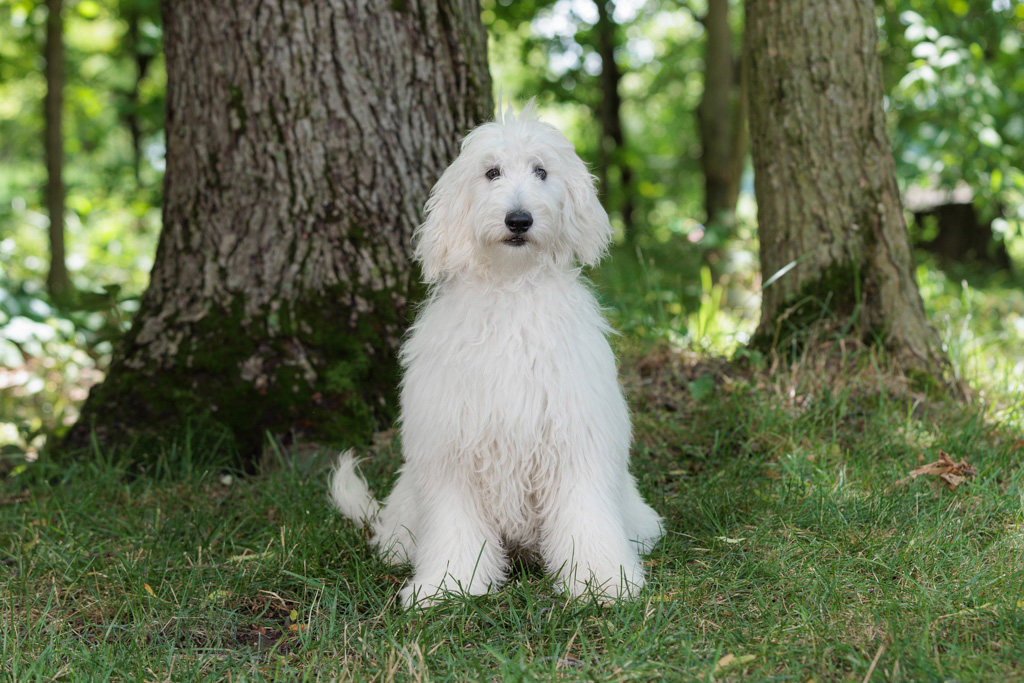
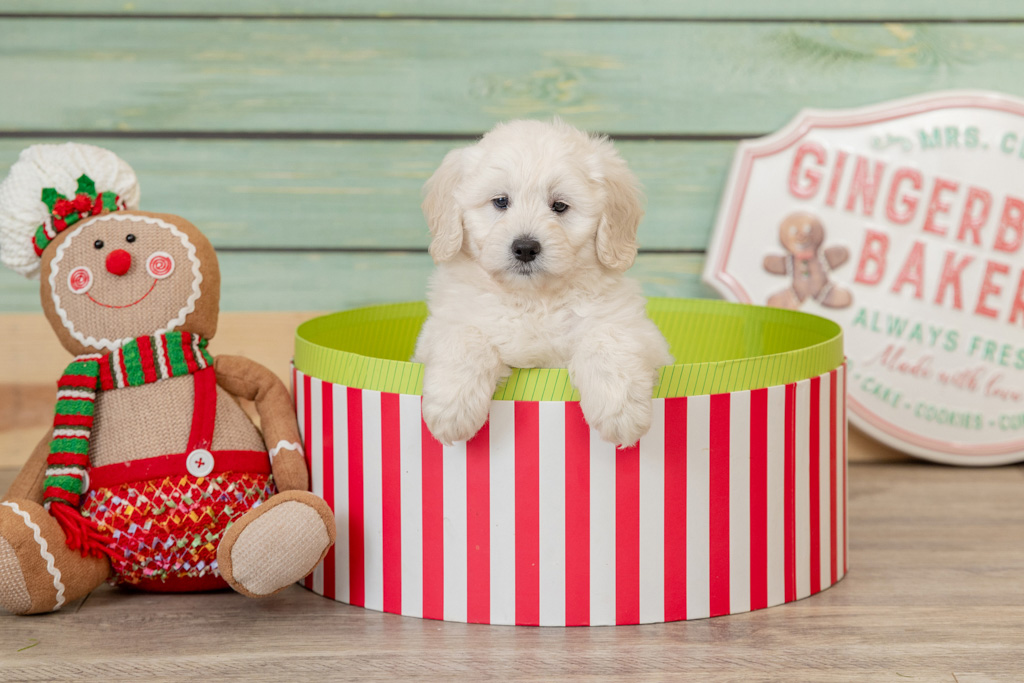
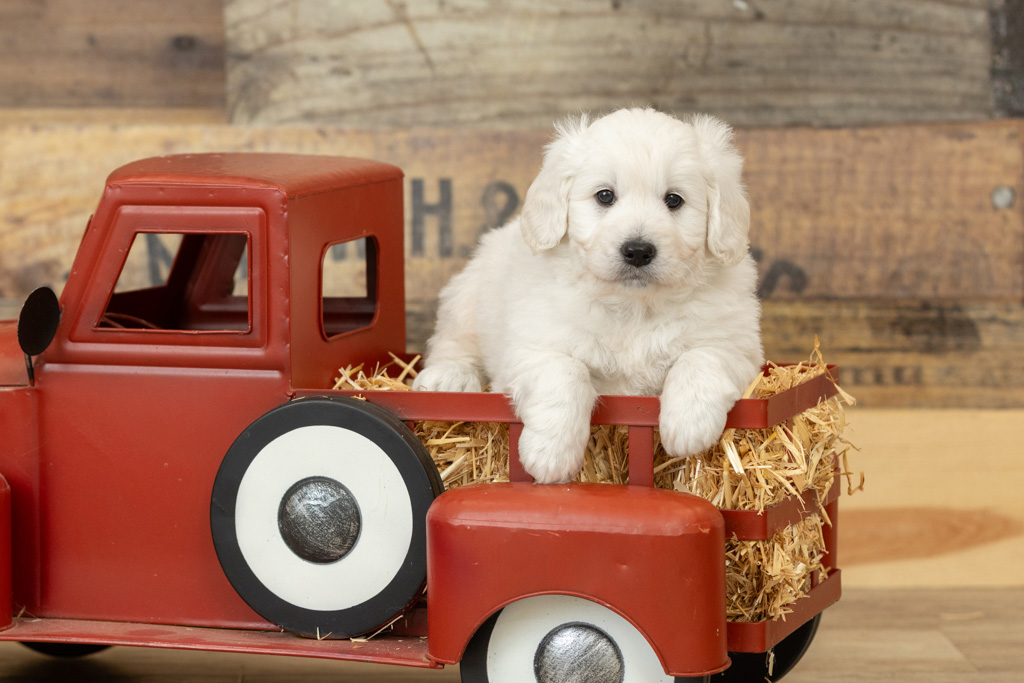
Bring a Golden Minidoodle puppy home today!

First-Time Dog Owners: Is a Minidoodle the Right Choice?

Choosing your first dog is exciting, emotional, and often overwhelming. For many families, it is not just about finding a dog they love. It is about finding a dog they feel confident caring for.

Minidoodles are often recommended to first-time dog owners because they are affectionate, intelligent, and adaptable. But no breed is the right fit for every household, especially when someone is new to dog ownership.

The real question is not whether Minidoodles are good dogs. They are.

The question is whether a Minidoodle fits your lifestyle, expectations, and ability to commit to daily care.

This guide walks through what first-time dog owners should honestly consider before choosing a Minidoodle, so families can make a decision that feels informed and comfortable rather than rushed.

Why First-Time Dog Owners Are Drawn to Minidoodles

Minidoodles appeal to many first-time owners for understandable reasons. They are typically described as friendly, people-oriented, and emotionally intuitive. Their size feels manageable, and their temperament is often well-suited to family life.

For many new owners, the idea of a dog that is both affectionate and adaptable feels reassuring. Minidoodles are known for forming strong bonds with their people, which can be especially comforting for someone navigating dog ownership for the first time.

That said, affection and adaptability do not replace responsibility. Understanding what daily life truly involves is essential.

Temperament: A Strong Match for the Right Homes

Minidoodles are deeply people-focused dogs. They tend to thrive in homes where they are included in daily life rather than treated as background companions.

For first-time owners, this can be a positive experience. Minidoodles are typically responsive to guidance, eager to engage, and emotionally tuned in to their household. Many families find that this responsiveness makes early training and bonding feel more intuitive.

However, this same sensitivity means Minidoodles do best with:

  • Consistent routines
  • Gentle, clear guidance
  • Positive reinforcement rather than harsh correction

First-time owners who are willing to learn, ask questions, and stay consistent often find Minidoodles to be rewarding companions.

Training: Will a Minidoodle Be Hard to Train?

One of the biggest concerns for first-time dog owners is training. Minidoodles are generally intelligent and eager to please, which works in a new owner’s favor.

They tend to respond well to:

  • Short, focused training sessions
  • Repetition paired with encouragement
  • Clear boundaries established early

What matters most is not prior experience, but willingness to engage. Training does not need to be perfect, but it does need to be consistent.

First-time owners who approach training as relationship-building rather than rule enforcement often see the best results with Minidoodles.

Energy Levels: Manageable, Not Maintenance-Free

Minidoodles are active dogs, but they are not typically overwhelming when their needs are met.

They enjoy:

  • Daily walks
  • Interactive play
  • Mental stimulation

They also appreciate downtime and often settle well when they feel secure and included.

For first-time owners, this balance can be ideal. Minidoodles usually do not require constant physical activity, but they do need engagement. Ignoring exercise and enrichment entirely can lead to restlessness, while overdoing it can create overstimulation.

Learning this balance is part of responsible ownership, not a failure of experience.

Grooming: An Area That Requires Commitment

Grooming is one area where first-time owners should pause and be realistic.

Minidoodles require regular coat maintenance. Brushing, professional grooming, and early grooming exposure are not optional parts of ownership.

This does not mean grooming needs to be stressful. Many families turn it into a calm routine, especially when introduced early and handled gently. But it does require time, planning, and consistency.

First-time owners who are comfortable learning grooming basics and maintaining a schedule tend to adjust well.

Emotional Needs: Connection Is Not Optional

Minidoodles are companion dogs. They are happiest when they feel emotionally connected to their people.

This means they are not ideal for households where the dog will be left alone for long stretches without support. They thrive in homes where:

  • Someone is present for part of the day
  • Enrichment is part of the routine
  • Emotional connection is valued

For first-time owners seeking companionship and a relationship, this is often a positive. For those looking for a highly independent dog, it may feel more demanding.

Being honest about availability and lifestyle is key.

Structure Helps First-Time Owners Succeed

A common misconception is that experience matters more than structure. In reality, structure is often what helps first-time owners succeed.

Minidoodles do best when:

  • Feeding times are consistent
  • Daily movement is predictable
  • Expectations are clear
  • Calm routines are reinforced

Structure builds confidence for both the dog and the owner. It removes guesswork and creates a sense of shared understanding that makes daily life smoother.

First-time owners who commit to routine often find that challenges feel manageable rather than overwhelming.

Common Concerns First-Time Owners Have

Many families worry about making mistakes. The truth is that mistakes are part of learning.

Minidoodles are generally forgiving dogs. They respond well to patience and repair. A missed walk or an imperfect training session does not undo the bond you are building.

What matters most is effort, consistency, and a willingness to adjust as you learn.

When a Minidoodle Is a Great First Dog

A Minidoodle is often a strong choice for first-time owners who:

  • Want a people-oriented companion

  • Are open to learning and guidance

  • Can commit to routine and grooming

  • Value emotional connection over independence

They tend to do well in homes that prioritize relationship, not perfection.

When a Minidoodle May Not Be the Right Fit

It is equally important to recognize when a Minidoodle may not be ideal.

They may not be the best fit for families who:

  • Expect a low-engagement dog

  • Are unable to commit to grooming

  • Prefer a highly independent temperament

  • Cannot provide consistent routine or companionship

Choosing the right dog is about alignment, not obligation.

A Thoughtful First Choice

For many first-time dog owners, a Minidoodle becomes not just their first dog, but the standard by which they measure all future dogs.

When thoughtfully matched and supported, Minidoodles often grow into steady, affectionate companions who make learning dog ownership feel rewarding rather than intimidating.

The right first dog does not require perfection. It requires commitment, care, and a willingness to grow together.

For families ready for that kind of relationship, a Minidoodle can be a wonderful place to begin.

What Daily Life with a Minidoodle Really Looks Like

Minidoodles are often described as affectionate, smart, and adaptable. While all of that is true, families considering one often want something more practical than a list of traits.

They want to know what life actually feels like.

What a normal day looks like.

How a Minidoodle fits into real schedules, real homes, and real routines.

Daily life with a Minidoodle is not constant activity or constant calm. It is a thoughtful balance of engagement and companionship, play and rest, structure and flexibility. For the right families, that balance is exactly what makes the breed such a good fit.

This guide offers an honest look at what living with a Minidoodle really involves, from morning to night.

Mornings Start with Connection

Most Minidoodles wake up ready to engage with their people. Not frantic, but attentive.

Mornings typically involve a calm check-in. A wagging tail, quiet following from room to room, and an eagerness to start the day alongside the family. This is a breed that thrives on closeness, and that shows early in the day.

A short walk, backyard time, or gentle play helps release overnight energy. Many families find that a predictable morning routine sets the tone for a more settled day. Once physical needs are met, Minidoodles tend to transition easily into a calmer state.

They are not dogs that need constant entertainment, but they do appreciate being included.

Midday Is About Balance

One of the reasons Minidoodles fit so well into modern households is their ability to balance activity with downtime.

After morning engagement, many Minidoodles are content to rest near their people. Whether someone works from home or the house is quieter during the day, they often settle naturally once they feel secure.

That does not mean they lack energy. It means their energy is responsive rather than demanding.

Mental stimulation matters just as much as physical activity. Simple enrichment, gentle training reinforcement, or interactive toys can make a big difference in keeping a Minidoodle content throughout the day.

When their needs are met, they are typically excellent at relaxing without becoming restless.

Minidoodles Are Observant Companions

One of the most noticeable aspects of daily life with a Minidoodle is how closely they observe their environment.

They pay attention to changes in routine.

They notice shifts in mood.

They respond to the emotional tone of the household.

This attentiveness makes them deeply connected companions, but it also means they do best in homes where consistency and reassurance are part of daily life. When they know what to expect, they thrive.

Many families are surprised by how naturally their Minidoodle adjusts to their household rhythm, syncing sleep, play, and quiet time with the people around them.

Afternoons Often Bring Playful Energy

As the day progresses, many Minidoodles experience a second wave of playful energy.

This is often when:

  • Short walks feel especially enjoyable
  • Interactive games become more engaging
  • Training sessions are most productive

Play during this time is not usually chaotic. It is social, responsive, and often short-lived. A focused burst of activity followed by rest is common for the breed.

Families who build consistent afternoon engagement into their routine often find that evenings are calmer and more relaxed.

Evenings Are When the Bond Shows Most Clearly

Evenings tend to highlight one of the Minidoodle’s strongest qualities: their desire to be close.

As households slow down, Minidoodles naturally gravitate toward shared spaces. They settle near the couch, rest at their owner’s feet, or curl up nearby while the family unwinds.

This is when many families notice just how emotionally connected their dog has become. Minidoodles do not demand attention, but they clearly value proximity. Simply being near their people seems to meet an important emotional need.

For many households, this steady companionship becomes one of the most rewarding parts of daily life.

Structure Matters More Than Intensity

A common misconception is that smaller dogs require less structure. In reality, Minidoodles thrive when their days have a predictable flow.

They do best with:

  • Consistent feeding times
  • Regular opportunities for movement
  • Clear expectations around rest and activity
  • Gentle reinforcement rather than strict correction

Structure helps Minidoodles feel confident. It reduces anxiety and allows their adaptable nature to shine. When routines are clear, these dogs tend to be emotionally steady and easy to live with.

Grooming and Care Are Part of the Routine

Daily life with a Minidoodle also includes ongoing grooming awareness.

Their coat requires regular maintenance, and families should expect brushing to be part of the weekly rhythm. While grooming does not need to dominate daily life, it is not something that can be ignored.

Many families turn grooming time into a calm bonding moment rather than a chore. When introduced early and handled consistently, Minidoodles tend to accept grooming as part of normal life.

Quiet Moments Matter Just as Much as Activity

One of the most underestimated aspects of living with a Minidoodle is how much they value calm, shared moments.

They are not dogs that need constant stimulation to feel fulfilled. They enjoy sitting nearby, watching the world from a window, or simply being part of the household without being the center of attention.

These quiet moments are often when the bond deepens the most. Over time, families realize that companionship does not always need action. Presence alone can be enough.

What Families Often Say After the Adjustment Period

Once the early transition period passes, many families describe daily life with a Minidoodle as surprisingly intuitive.

Their dog:

  • Understands the household rhythm
  • Adjusts easily to routine changes
  • Feels emotionally connected without being overwhelming
  • Fits naturally into everyday life

This is not accidental. It comes from thoughtful breeding, early socialization, and a temperament designed for connection.

A Dog That Fits into Real Life

Daily life with a Minidoodle is not about constant activity or perfect behavior. It is about balance, presence, and relationship.

They are dogs that want to be included, not entertained nonstop. Dogs that offer affection without pressure and companionship without noise.

For families looking for a dog that fits into their real, imperfect, busy lives, a Minidoodle often feels like a natural extension of the home rather than a disruption to it.

And once that rhythm is established, daily life with a Minidoodle feels less like ownership and more like a partnership.

Is a Minidoodle Right for Your Family?

Minidoodles are a mix of English Cream Golden Retrievers, known for their gentle and friendly nature, and Mini Poodles, celebrated for their intelligence and hypoallergenic coats. This unique combination makes Minidoodles not only beautiful but also highly adaptable and trainable, perfect for families of all sizes. 

The English Cream Golden Retriever is renowned for its loving nature and calm demeanor, making it a family favorite across the globe. Meanwhile, Mini Poodles bring their sharp intellect and hypoallergenic qualities to the mix, making Minidoodles an attractive choice for those with allergies.

What Makes a Minidoodle Unique

The crossbreeding process aims to capture the best traits of both breeds, offering families a pet that is both aesthetically pleasing and functionally ideal. 

This blend creates a dog with a balanced personality, combining the playful exuberance of a retriever with the keen intelligence of a poodle. As a result, Minidoodles are not just pets but beloved family members who thrive in a variety of environments.

Personality Traits of a Minidoodle

When it comes to personality, Minidoodles often inherit the best traits from both parent breeds. They are typically:

Affectionate and Loyal

Minidoodles love to be around their family and thrive on human interaction. They form strong bonds and are known to be very loyal companions. This loyalty is a trait that ensures they remain close to their family, always seeking to be involved in family activities.

Intelligent and Trainable

Thanks to their Poodle lineage, Minidoodles are quick learners and respond well to training. This makes them a great choice for families who enjoy teaching their dogs new tricks and commands. Their intelligence also means they require mental stimulation, which can be provided through interactive toys and training games.

Playful and Energetic

With their Golden Retriever genes, Minidoodles have an energetic side. They enjoy playtime and outdoor activities, making them ideal for active families. Their playful nature means they can be great companions for children, participating eagerly in games and adventures.

Are Minidoodles Good Family Dogs?

Minidoodles are versatile dogs that can adapt to various living situations, whether you live in an apartment or a house with a yard. They are generally good with children and can get along well with other pets when properly socialized. Their adaptable nature means they can thrive in both urban and rural settings, provided they receive adequate exercise and attention.

Socialization and Adaptability

Socialization is key to ensuring a Minidoodle grows into a well-adjusted adult. Introducing them to different environments, people, and animals from a young age will help them develop confidence and sociability. This adaptability extends to their living arrangements, as they can comfortably fit into families with diverse lifestyles and schedules.

Exercise Needs of a Minidoodle

Minidoodles require regular exercise to keep them happy and healthy. Daily walks, play sessions, and mental stimulation activities are essential. 

Their playful nature means they love games like fetch, which not only exercise their bodies but also engage their minds. Incorporating a variety of activities, such as agility courses or obedience training, can provide both physical and mental exercise, keeping them engaged and satisfied.

A lack of exercise can lead to behavioral issues, as Minidoodles may become bored and restless. It’s important to tailor their exercise routine to their energy levels, ensuring they receive enough activity to expend their energy positively. 

Whether it’s a hike in the woods or a game of tug-of-war in the backyard, keeping your Minidoodle active is crucial for their well-being.

Grooming Requirements

One of the appealing traits of Minidoodles is their low-shedding coat, thanks to their Poodle ancestry. However, regular grooming is still necessary to keep their coats in good condition. Routine brushing will prevent matting and keep their fur looking its best. 

Additionally, regular visits to a professional groomer will help maintain their coat’s health and appearance.

Grooming is not just about aesthetics; it’s essential for their overall health. 

Regular brushing helps distribute natural oils throughout their coat, promoting a healthy shine. It’s also an opportunity to check for any skin issues or parasites. Minidoodles may require occasional trims to keep their coats manageable, especially around the eyes and paws, where hair can grow long and obstruct their vision or comfort.

Health Considerations

Like all breeds, Minidoodles can be prone to certain health issues. Regular veterinary check-ups and a balanced diet are crucial to ensure their well-being. 

Being proactive about their health will help you catch any potential issues early and keep your Minidoodle in top condition. Common health concerns may include hip dysplasia, allergies, and dental issues, all of which can be managed with proper care and attention.

A balanced diet tailored to their size and activity level is vital for maintaining their health. High-quality dog food, supplemented with appropriate nutrients, will support their growth and development. 

Regular check-ups with a veterinarian will help monitor their health, address any concerns, and keep them up to date with vaccinations and preventative treatments.

Training Your Minidoodle

Training a Minidoodle can be a rewarding experience due to their intelligence and eagerness to please. Here are some basic tips to get you started:

Consistency is Key

Use consistent commands and signals when training your Minidoodle. This helps them understand what is expected of them and accelerates the learning process. Repetition and routine are crucial, as they reinforce learning and help your dog understand the desired behavior.

Positive Reinforcement

Reward-based training methods work best with Minidoodles. Praise and treats for good behavior encourage them to repeat those actions. This positive approach builds trust and strengthens the bond between you and your dog, making training sessions enjoyable for both parties.

Socialization

Expose your Minidoodle to different environments, people, and other animals early on. This helps them become well-rounded and confident adults. Socialization should be a gradual process, allowing them to explore new experiences at their own pace, ensuring they remain comfortable and stress-free.

Advanced Training Opportunities

Minidoodles excel in advanced training due to their intelligence. Consider exploring activities such as agility training, obedience competitions, or therapy dog certification. 

These activities provide mental stimulation and strengthen the bond between you and your dog. Agility training can be particularly rewarding, as it challenges both their physical and mental faculties, fostering teamwork and communication.

Obedience competitions allow Minidoodles to showcase their skills and discipline, while therapy dog certification opens doors for them to bring joy to others in need. 

Engaging in advanced training not only enhances their abilities but also deepens your relationship, creating a fulfilling experience for both of you.

Why Minidoodles Make Great Family Dogs

Minidoodles make wonderful family pets due to their friendly disposition and adaptability. They are gentle with young children and also make excellent companions for older adults. Their loving nature ensures that they fit seamlessly into family life. 

Whether it’s playing with kids in the backyard or offering companionship to seniors, Minidoodles adapt to the needs of all family members.

Their gentle temperament makes them ideal for families with young children, as they are patient and tolerant. For older adults, they provide companionship and encourage an active lifestyle, promoting overall well-being and happiness.

A Good Match for Every Lifestyle

While Minidoodles enjoy playtime and outdoor activities, they are also content to relax with their family. This balance makes them suitable for families with varying activity levels. 

Whether you’re hiking through the woods or lounging on the couch, your Minidoodle will be happy to join. Their ability to match the energy of their family members means they can seamlessly integrate into any routine.

This adaptability ensures they are equally comfortable in a bustling household or a quieter environment. Their presence can bring joy and companionship, enriching family life and creating lasting memories.

Final Thoughts: Is a Minidoodle the Right Fit for You?

At Royal Minidoodles, we take pride in helping our puppies find their forever homes. It’s important to consider whether you can commit to providing the love, care, and attention a Minidoodle needs throughout its life. 

If you can, you’ll find a loyal friend and joyful companion in a Minidoodle. Providing a stable and nurturing environment is essential for their happiness and development.

Consider your lifestyle and how a Minidoodle will fit into it, ensuring you can meet their needs for exercise, grooming, and companionship. If you are ready for the commitment, a Minidoodle can bring endless joy and love to your family, creating a bond that lasts a lifetime.

Choosing a Minidoodle means welcoming a loving and intelligent companion into your home. Their adaptable nature, combined with their affectionate personality, makes them a great choice for many families. 

By understanding their needs and characteristics, you can ensure that a Minidoodle is the perfect fit for your family. At Royal Minidoodles, we are dedicated to helping you find the right puppy to join your family, and we look forward to guiding you on this exciting journey.

The journey of welcoming a Minidoodle into your home is one filled with joy and companionship. Their unique blend of traits from two beloved breeds offers a pet that is both lovable and highly adaptable. 

As you embark on this journey, know that your Minidoodle will enrich your life in countless ways, providing love, loyalty, and endless fun. With the right care and commitment, a Minidoodle can become an integral part of your family, bringing happiness for years to come.

Are Minidoodles Good with Children?

Minidoodles are a delightful blend of English Cream Golden Retrievers and Mini Poodles. They are known for their friendly nature and gentle temperament. This makes them a popular choice for families with children.

Families often seek dogs that are both playful and calm. Minidoodles fit this description perfectly. They are energetic yet patient, making them ideal companions for kids.

Their intelligence and trainability are standout traits. These qualities make them easy to integrate into family life. Minidoodles quickly learn commands and routines, which is beneficial for busy households.

One of the most appealing features of Minidoodles is their hypoallergenic coat. This is a significant advantage for families with allergy concerns. Their low-shedding fur means less mess and more cuddles.

Minidoodles are adaptable to various living situations. Whether in a city apartment or a suburban home, they thrive. Their small to medium size makes them versatile companions.

These dogs are not just pets; they become family members. Their loyalty and affection create strong bonds with children. Minidoodles often become a child’s best friend.

Choosing a family-friendly dog is a big decision. Minidoodles offer a perfect blend of companionship and playfulness. They are a wonderful addition to any family.

What Are Minidoodles? Understanding the Breed

Minidoodles are a charming crossbreed, combining the best traits of two beloved breeds. They inherit intelligence, loyalty, and a gentle nature. This makes them ideal companions for families and children.

Born from English Cream Golden Retrievers and Mini Poodles, these dogs offer a mix of qualities. Golden Retrievers are renowned for their friendly and social demeanor. Mini Poodles bring intelligence and a hypoallergenic coat.

Minidoodles are small to medium-sized dogs. Their compact size allows them to fit comfortably in various living environments. Whether in an apartment or a spacious home, they adapt well.

They typically weigh between 15 to 35 pounds and have a lifespan of 12 to 15 years. This longevity ensures a long-term bond, providing enduring companionship. Families can count on their presence for many joyful years.

Key Characteristics of Minidoodles

  • Size: Small to Medium (15-35 pounds)
  • Lifespan: 12-15 years
  • Temperament: Friendly, Social, Intelligent
  • Coat: Hypoallergenic, Low-Shedding
  • Adaptability: Suitable for various living spaces

Minidoodles are more than just their physical traits. They embody a blend of playfulness and calmness. These characteristics make them especially well-suited for homes with children.

The Temperament of Minidoodles: Why Families Love Them

Minidoodles are celebrated for their outstanding temperament. These dogs are friendly and gentle, ideal for homes with kids. Their calm nature is a significant reason why families adore them.

One defining feature is their affectionate disposition. Minidoodles form strong bonds with family members, becoming close companions. This attachment often turns into a protective instinct around children.

Their intelligence enhances their trainability, making them a joy to manage. This intelligence also aids in understanding family dynamics and adapting to changes. Minidoodles thrive in environments where they are part of family activities.

These dogs exhibit a playful spirit, matching the energy of active children. They are always eager for playtime, be it a game of fetch or a walk in the park. This playful temperament keeps kids engaged and active.

Minidoodles are notably patient, a crucial trait when interacting with young kids. Their tolerance and understanding reduce the likelihood of accidental harm during play. This patience contributes to a harmonious household.

Reasons Families Love Minidoodles

  • Affectionate and Loyal: Strong bonds with family
  • Intelligent and Trainable: Adaptable to family life
  • Playful Nature: Matches children’s energy levels
  • Patient and Gentle: Suitable for young children
  • Protective Instincts: Provides a sense of security

Their protective and social nature endears them to every family member. Whether for a quiet evening at home or an adventure outside, Minidoodles make the perfect family member.

Minidoodles and Children: A Perfect Match

Minidoodles and kids seem to be a match made in heaven. Their amicable nature and adaptability align well with family life.

These dogs are eager to please, a trait that resonates well with children. They enjoy receiving affection and cuddles from young ones.

Their size is also a big advantage. As small to medium-sized dogs, Minidoodles fit comfortably in both apartments and larger homes. This makes them accessible for families with different living spaces.

Their hypoallergenic coat is a blessing for families with allergies. It minimizes the risk of allergic reactions and makes them more suitable for sensitive children. Regular grooming keeps their coat healthy and appealing.

In terms of energy levels, Minidoodles are perfectly balanced. They are energetic enough for play but calm enough when relaxation is needed. This balance is ideal for keeping up with the dynamic pace of family life.

Minidoodles excel as companions, often becoming a child’s best friend. Their loyalty ensures they stay close, offering emotional support and companionship.

Key Traits Making Them Child-Friendly

  • Size and Adaptability: Fit in various living situations
  • Hypoallergenic Coats: Suitable for allergy-prone families
  • Balanced Energy Levels: Active yet calm demeanor
  • Companion Nature: Form strong bonds with kids
  • Easy to Train: Responds well to child interaction

In summary, Minidoodles foster an enriching environment for children. Their loyal, loving, and lively nature enhances family life. By bringing a Minidoodle home, you’re inviting a gentle soul that thrives alongside children.

Benefits of Minidoodles for Families with Kids

Minidoodles offer a plethora of benefits for families with children. Their gentle temperament makes them a fantastic choice for households seeking a child-friendly pet.

These dogs are known for their loyalty, forming strong bonds with all family members. This strengthens the family unit, encouraging care and cooperation among everyone involved.

Minidoodles are incredibly smart and quick learners. This intelligence simplifies training sessions, a fact that parents and children alike appreciate.

They require moderate exercise, which is perfect for active children who love playtime. Walking or playing fetch turns into enjoyable and healthy family bonding time.

Another advantage is their notable patience. Minidoodles often remain calm, even when faced with boisterous kids, reducing the chance of accidental knocks or bites.

Family Benefits of Minidoodles

  • Loyal Companions: Strengthen family bonds
  • Intelligent and Trainable: Easier interaction with kids
  • Moderate Exercise Needs: Suitable for family activities
  • Patient Nature: Tolerant of children’s antics
  • Calm Demeanor: Reduces risk of accidents

Ultimately, Minidoodles contribute positively to family life. Their balance of energy, trainability, and patience makes them ideal companions. Families with children appreciate these qualities greatly, enriching their collective experience.

Training Minidoodles: Tips for Raising a Child-Friendly Dog

Training your Minidoodle ensures they fit seamlessly into family life. Start training early to instill good habits from the beginning.

Consistency is key. Keep commands simple and always use the same words for tasks to avoid confusion. Children can join in by learning the commands, reinforcing consistency.

Positive reinforcement works wonders with Minidoodles. Reward them with treats and praise for good behavior. This encourages them to repeat desired actions, making the process enjoyable for all.

Involve children in training sessions. This practice teaches kids responsibility and creates mutual respect between the dog and family members. It also strengthens the bond between pets and humans.

Remember, patience is crucial. While Minidoodles are smart, every dog learns at its own pace. Take breaks when needed and enjoy the process together.

Training Tips for Minidoodles

  • Start Early: Build good habits from the start
  • Consistency: Use simple, repeated commands
  • Positive Reinforcement: Reward good behavior with praise and treats
  • Involvement: Encourage children to participate
  • Patience: Allow your Minidoodle to learn at its own pace

Proper training ensures your Minidoodle thrives in a family environment, creating a happy, well-behaved companion for years to come.

Socialization: Helping Minidoodles Thrive with Children

Socialization plays a vital role in a Minidoodle’s development. By introducing them to various situations early on, they become confident and adaptable.

Expose your Minidoodle to different environments and experiences. Take them to parks, introduce them to other pets, and let them meet new people. This exposure reduces anxiety and encourages friendliness.

Involve your children in socialization activities. Encourage them to play and interact with the dog. This enriches the bond between your Minidoodle and your kids, fostering mutual trust.

Supervision is essential during these interactions. Ensure that all engagements are positive and safe, especially with younger children. This not only protects all parties but also reinforces good behavior in your Minidoodle.

Socialization Tips for Minidoodles

  • Diverse Environments: Explore new places with your dog
  • New Faces: Meet other people and pets
  • Play: Let kids and dogs interact regularly
  • Supervise: Ensure safe and positive interactions

Through effective socialization, Minidoodles can confidently navigate the world, creating harmonious relationships with children and adults alike.

Health, Grooming, and Care: What Families Should Know

Proper care ensures your Minidoodle stays healthy and happy. Regular veterinary check-ups are crucial for monitoring their well-being.

Minidoodles boast a hypoallergenic coat, ideal for allergy-prone families. However, their coat requires regular grooming to remain clean and tangle-free.

Daily brushing helps prevent matting. Consider professional grooming every few months to maintain their elegant appearance.

Minidoodles enjoy physical activity, but moderate exercise suffices to keep them fit. Daily walks and active playtime are perfect.

Pay attention to their diet. A balanced diet supports their energy needs and maintains their vibrant coat.

Essential Care Tips for Minidoodles

  • Regular Vet Visits: Keep up with health checks
  • Grooming Routine: Brush daily, groom professionally
  • Exercise: Engage in daily walks and play
  • Balanced Diet: Provide nutritious meals

By following these tips, you support your Minidoodle’s health. This allows them to thrive in family life, bringing joy and companionship.

Minidoodles and Other Pets: Building a Harmonious Home

Minidoodles are known for their sociable nature. They typically get along well with other pets in the home. Their gentle temperament allows them to adapt easily to multi-pet households.

Introducing Minidoodles to existing pets should be handled calmly. Slow introductions help them establish a comfortable dynamic with other animals. Patience is key during these interactions.

Creating a balanced environment ensures harmony among all pets. Provide each pet with attention, space, and resources to thrive. Minidoodles’ adaptable nature can foster a peaceful and happy home environment.

Tips for Multi-Pet Households

  • Slow Introductions: Ease Minidoodles into new relationships
  • Maintain Balance: Share attention among all pets
  • Provide Space: Ensure each pet has its own area

Teaching Children to Interact with Minidoodles

Teaching children how to interact with Minidoodles is crucial. It ensures safety and fosters a positive bond. Start by setting boundaries for both the child and the dog.

Encourage gentle petting and discourage rough play. Minidoodles, known for their patience, respond well to kindness. Educate children about reading the dog’s body language.

Consistent guidance helps kids form a loving relationship with Minidoodles. This interaction also teaches responsibility and empathy in young ones. By being role models, parents can reinforce these lessons effectively.

Guidelines for Child-Dog Interaction

  • Gentle Petting: Encourage soft touch
  • Avoid Rough Play: Promote safe interaction
  • Learn Body Language: Understand dog signals

Frequently Asked Questions about Minidoodles and Children

Many families wonder if Minidoodles are hypoallergenic. Due to their Poodle heritage, Minidoodles usually have low-shedding coats. This makes them a good option for families with allergy concerns.

Another common question is about exercise needs. Minidoodles need moderate exercise daily. Family walks or play sessions in the yard can satisfy their energy levels.

Parents often ask if Minidoodles can adapt to a baby’s arrival. These dogs are adaptable and can adjust to new dynamics. It’s essential to introduce them gradually to any changes.

Some families worry about house training Minidoodles. These intelligent dogs learn quickly with consistent training. This trait simplifies the house-training process, making it less stressful for families.

FAQs Quick List

  • Are Minidoodles hypoallergenic? Yes, generally low-shedding.
  • Exercise needs? Moderate daily exercise is sufficient.
  • Adapting to a baby? Yes, they are adaptable.
  • Easy to house train? Yes, due to high intelligence.

Is a Minidoodle Right for Your Family?

Deciding if a Minidoodle is right for your family involves considering a few key factors. These dogs need love, attention, and regular care from dedicated owners. They thrive in active environments where they can participate in family activities.

Assessing your family’s lifestyle is crucial. Consider the following points:

  • Available time for care and attention
  • Living space: apartment or house
  • Ability to provide regular exercise
  • Willingness to engage in grooming routines

A Minidoodle can be a wonderful fit for families ready to meet these needs.

Conclusion: The Family-Friendly Choice

Minidoodles make exceptional family pets due to their gentle and playful nature. Their adaptability to different lifestyles ensures they fit well in any family dynamic.

With their loving temperament and low-shedding coats, Minidoodles are ideal companions, especially for families with children. They offer endless joy and companionship, making them an excellent choice for those seeking a family-friendly dog.
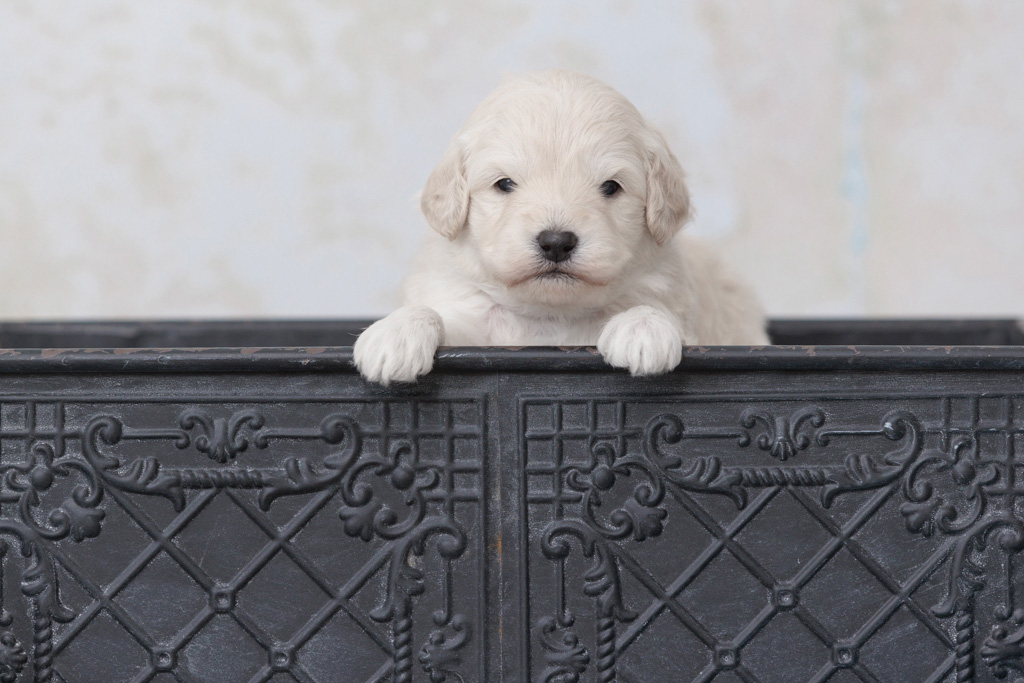
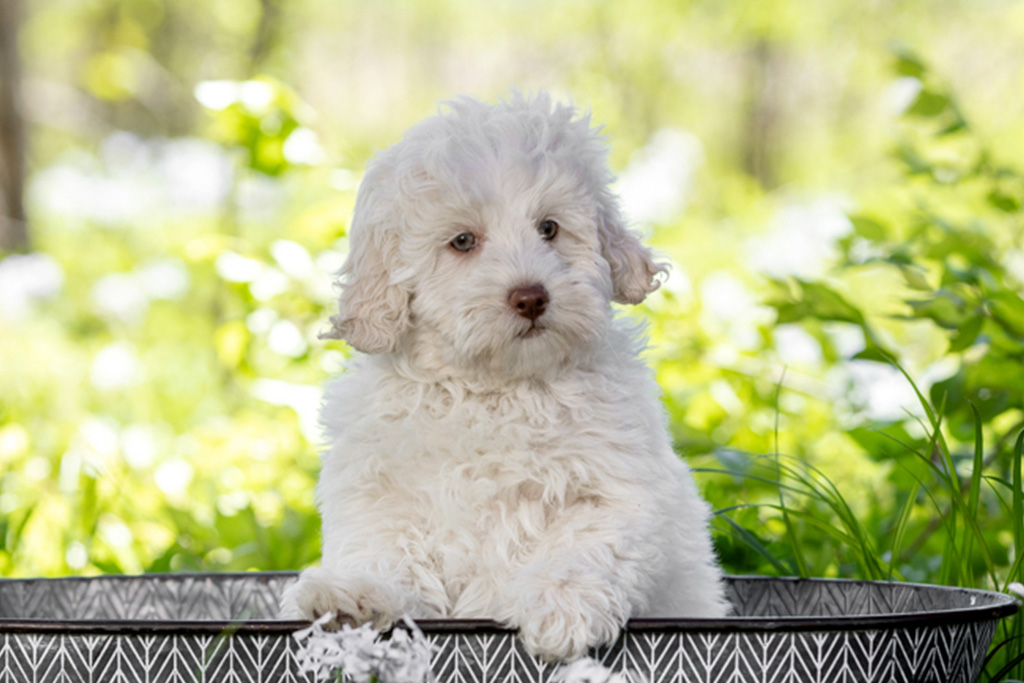
Will a Minidoodle Puppy Be Happy in an Apartment?

If you’re living in an apartment and dreaming of bringing home a Royal Minidoodle puppy, you might be wondering: Can a larger dog really thrive in a smaller space? It’s a fair question — and one we hear often from future puppy parents.

Royal Minidoodles are a cross between the highly intelligent Poodle and the affectionate, easygoing English Cream Golden Retriever. While they fall under the “mini” doodle category, these dogs are often larger than people expect, especially when compared to other mini breeds. So let’s explore whether a Minidoodle is a good fit for apartment living — and what it takes to keep them happy, healthy, and thriving in a smaller space.

How Big Are Royal Minidoodles, Really?

Royal Minidoodles typically range from 30 to 45 pounds and stand about 16 to 20 inches tall at the shoulder, depending on their specific lineage. While they’re smaller than standard Goldendoodles, they are not as compact as a Toy or Mini Poodle mix. Their size puts them firmly in the “medium-to-large” category for apartment dogs.

But size isn’t everything — temperament, energy level, and adaptability play a bigger role in determining whether a dog can thrive in a smaller space.

Are Minidoodles a Good Fit for Apartment Living?

The short answer is: yes — with the right structure, stimulation, and attention, a Royal Minidoodle can absolutely be happy in an apartment. These dogs are:

  • People-oriented and enjoy being close to their families
  • Intelligent and trainable, making them well-suited to environments with routines
  • Moderate-to-high energy, which means they need daily activity but don’t necessarily require a backyard 

The key to raising a happy Minidoodle in an apartment is to compensate for the lack of space with enrichment, exercise, and companionship.

Tips for Apartment Living with a Minidoodle

1. Commit to Daily Exercise

Minidoodles need about 45–60 minutes of exercise per day, which can include brisk walks, games of fetch, or dog park visits. In an apartment, your dog will rely on you to initiate movement, so consistency is important.

Tip: Break exercise into two sessions — a longer morning walk and a shorter evening outing — to help prevent restlessness.

2. Make Use of Indoor Enrichment

Mental stimulation is just as important as physical activity. Puzzle toys, snuffle mats, and basic obedience training sessions help keep their sharp minds engaged.

Bonus: A tired brain = a calm dog in the apartment.

3. Create a Puppy-Friendly Zone

Set up a designated area in your apartment with your puppy’s crate, toys, and soft bedding. A consistent space helps your Minidoodle feel secure and teaches boundaries early on.

4. Prioritize Socialization

Apartment life can introduce your dog to plenty of new sights, sounds, and smells. Take advantage of this! Introduce your puppy gradually to elevators, doorbells, neighbors, and traffic sounds so they grow up confident, not anxious.

5. Establish a Routine

Dogs thrive on structure. In apartment settings, where there’s often more stimulation and less outdoor freedom, a predictable routine helps your Minidoodle feel calm and secure.

What Challenges Should You Expect?

While Minidoodles are generally adaptable, there are some challenges to be aware of in apartment living:

  • Barking: These vocal dogs may alert to hallway noise. Early training is key.
  • Separation anxiety: If you’re gone for long hours, they may struggle without company or activity.
  • Space limitations: Energetic puppies may get zoomies — and apartments aren’t always made for sprints!

Solution: Doggy daycare, dog walkers, and interactive toys can help offset these challenges.

What Makes Minidoodles Great for Apartments?

Despite their medium size, Minidoodles bring a wonderful blend of traits that make them well-suited to apartment living:

  • Gentle and social temperament
  • Highly trainable, which helps with manners and house rules
  • Low-to-moderate shedding, depending on their coat type
  • Strong attachment to their people, meaning they’re happiest wherever you are — not just where the biggest yard is

Final Thoughts: Can a Minidoodle Thrive in an Apartment?

Yes — a Royal Minidoodle can be very happy in an apartment, as long as their physical and emotional needs are being met. With a bit of planning, patience, and daily engagement, your Minidoodle will adapt beautifully to apartment life and reward you with endless love, loyalty, and joy.

Looking for more resources on life with a Minidoodle? Explore our blog or get in touch — we’d love to help you decide if now is the right time to welcome one into your home.

How Much Exercise Does a Minidoodle Need?

Royal Minidoodles are known for their affectionate personalities, intelligence, and beautiful, often fluffy coats — but they also come with energy to burn. As a cross between a Miniature Poodle and an English Cream Golden Retriever, these dogs inherit an active, eager-to-please nature from both parent breeds.

Understanding how much exercise your Minidoodle needs (and what kind) is essential to raising a well-balanced, healthy, and happy dog — especially during the high-energy puppy months.

Understanding the Minidoodle Breed Mix

While the word “mini” may imply a small, low-energy companion, Minidoodles tend to be medium-sized dogs with moderate to high energy levels. Most Royal Minidoodles range from 30 to 45 pounds, with some leaning larger depending on their lineage.

Their Miniature Poodle roots bring intelligence, agility, and a love for structure. The English Cream Golden Retriever side adds affection, enthusiasm, and a natural zest for play. Put simply — this is a dog who loves to move, think, and engage with their people.

Why Exercise Matters for Minidoodles

Regular activity is more than a physical need for this breed — it’s crucial for their mental and emotional well-being.

Benefits of daily exercise include:

  • Preventing obesity and related health issues
  • Reducing anxiety, boredom, and destructive behavior
  • Supporting joint and muscle development
  • Improving sleep and settling behaviors at home
  • Strengthening your bond through shared activity

Minidoodles are happiest when both their body and mind are engaged — which makes a varied routine the ideal approach.

How Much Exercise Does a Minidoodle Need?

Most Minidoodles need 45 to 60 minutes of exercise daily, split into manageable sessions throughout the day. Puppies and young adults often need shorter bursts of activity more frequently, while adults may thrive on longer, structured outings.

A balanced daily routine might include:

  • A 20–30 minute morning walk
  • Afternoon playtime or training session
  • Evening enrichment or a low-key stroll

As your dog matures, their specific exercise needs may shift. Watch for signs of restlessness (or exhaustion), and adjust accordingly.

Types of Exercise: Physical + Mental Stimulation

This is a brainy breed. That means a walk around the block won’t cut it every day.

Physical activities to try:

  • Brisk walks or gentle jogs
  • Fetch or tug-of-war
  • Off-leash play in a secure area
  • Beginner agility or obstacle courses

Mental stimulation options:

  • Puzzle feeders and interactive toys
  • Obedience and trick training
  • Scent work or hide-and-seek games
  • Short shaping sessions (training games that build focus)

Even 15 minutes of focused brain work can leave your dog just as tired — and fulfilled — as a long walk.

Adapting Exercise to Age, Health, and Season

Puppies:

Young Minidoodles need multiple short play sessions each day. Avoid high-impact activities like jumping until their joints are fully developed.

Adults:

Adult Minidoodles benefit from consistency and structure. Mix high-energy and low-key days to avoid burnout or overuse.

Seniors:

Older Minidoodles still need exercise, but may prefer gentler walks and softer play. Shorter sessions more often can help maintain mobility and prevent stiffness.

Weather tips:

  • Avoid midday walks in hot weather
  • Use booties or paw balm in cold or salted conditions
  • Always provide fresh water during and after play

Safe Exercise Practices for Minidoodles

Like all breeds, Minidoodles can be prone to certain health issues, including hip dysplasia and joint sensitivity — especially if they’re larger or more active.

To keep things safe:

  • Avoid repetitive jumping or hard landings
  • Stick to soft surfaces for fetch or running
  • Monitor for signs of fatigue, limping, or overexertion
  • Talk to your vet before starting a new sport or high-impact activity

Hydration, rest, and variety are all part of a sustainable exercise routine.

Tips to Keep Your Minidoodle Happy and Active

  • Mix it up: Rotate between activities to avoid boredom
  • Stay social: Playdates with other friendly dogs build social skills
  • Keep it fun: Use toys, treats, and praise to make exercise rewarding
  • Listen to your dog: Energy levels can fluctuate with age and lifestyle

The goal is to create a rhythm that fits your life and keeps your dog physically healthy and emotionally fulfilled.

Final Thoughts

Royal Minidoodles are joyful, athletic companions that love to move, learn, and play. With a consistent routine that includes both physical and mental exercise, your Minidoodle will thrive — whether you live in a house with a yard or a cozy apartment.

As with any breed, the key is balance. Pay attention to your dog’s individual needs, and remember: a tired Minidoodle is a happy (and well-behaved) Minidoodle.

Essential Dog Water Safety Gear for Outdoor Adventures

Sharing outdoor adventures with your dog — whether it’s boating, kayaking, or swimming — is a joy unlike any other. But water safety is just as important as fresh air and sunshine. The right gear can help your pup stay safe, comfortable, and ready for every splash, paddle, and dive.

This guide walks through a few of the most important items to consider before heading out on the water with your dog.

Why Water Safety Gear Matters

While many dogs are natural swimmers, not all of them are built for long periods in the water — and even strong swimmers can become tired, disoriented, or caught off-guard by waves, currents, or deep water. That’s why well-designed safety gear like life jackets can make a world of difference.

In particular, dogs who enjoy time on boats, paddleboards, or offshore excursions need more than just a quick swim break. They need reliable, body-supporting flotation — and gear that’s been engineered for real protection.

Spotlight: Monterey Bay Offshore Dog Lifejacket

If your adventures take you off dry land, the Monterey Bay Offshore Dog Lifejacket is worth a serious look.

Built for boating, rafting, paddleboarding, and open-water activity, this lifejacket is designed to support your dog’s entire body — including under their chest and front legs — where many other jackets fall short. That lower-body support isn’t just important for floatation. It also gives your dog a safer lift if you need to help them back onto a boat or dock.

Some of the standout features include:

  • Flotation pontoons on the back to roll your dog upright, even if they enter the water upside down
  • A chest pad under the chin to keep their head naturally elevated and out of the water
  • Dual handles (on sizes M–XL) for easier lifting from the water

It’s built with durable materials, smart design, and a clear focus on safety — perfect for serious water lovers.

Other Must-Haves for Water Adventures

In addition to a quality life jacket, here are a few other essentials to pack when you’re heading to the lake, river, or sea:

  • Collapsible water bowl or water bottle – Staying hydrated is just as important on the water as on land.
  • Quick-dry towel – Great for drying off after a dip and keeping your dog warm on breezy days.
  • Floating toys – For fetch sessions that won’t sink.
  • Dog-safe sunscreen – Especially for pups with light-colored coats or exposed skin.

Final Thought: Safe Dogs, Happy Adventures

Whether your dog is lounging on a kayak or diving headfirst off the dock, having the right water safety gear gives you peace of mind — and gives them freedom to explore.

The best gear is designed to support their body, match their energy level, and help them thrive in every environment. And when the next big splash comes, you’ll both be ready.

Benefits of Having Multiple Dogs Together

Welcoming more than one dog into your home can be a life-changing experience. It brings joy, companionship, and a deeper understanding of dog behavior.

As a dog lover, I’ve found that having multiple dogs enriches both their lives and mine. They form bonds, learn from each other, and create a lively home environment.

Owning more than one dog also presents unique challenges. It requires commitment, patience, and a willingness to adapt.

But the rewards far outweigh the obstacles. From increased physical activity to enhanced socialization, the benefits are numerous.

Join me as we explore the joys and challenges of multi-dog ownership. Discover how it can transform your life and deepen your connection with these amazing animals.

The Joy of More Than One Dog: My Personal Journey

When I first decided to bring a second dog into my life, I was both excited and nervous. I wondered how it would change the dynamics at home and if my first dog would welcome the new companion.

The transition was smoother than anticipated. My dogs quickly formed a bond, demonstrating the power of companionship in their daily interactions. Watching them play together filled my heart with warmth.

Both dogs taught me valuable lessons about patience and empathy. They were my constant companions, making every day brighter with their playful antics and unconditional love.

Having more than one dog enriched my life in unexpected ways. It deepened my understanding of canine behavior and strengthened my commitment to providing them both a loving, happy home. Truly, embracing multiple dogs was one of the best decisions I’ve ever made.

Socialization and Companionship: How Dogs Benefit Each Other

Dogs, by nature, are social animals. They thrive when they have companionship, which makes having more than one dog a boon for both their mental and emotional well-being. The joy they find in each other’s company is truly heartwarming.

In multi-dog households, dogs often become integral parts of each other’s social structures. They develop their own unique relationships, communicating and playing in ways that only they understand. This boosts their socialization skills.

Having another dog around to interact with reduces feelings of loneliness and boredom. They can keep each other engaged, mentally stimulated, and entertained. This leads to a more content and well-rounded furry family.

Here’s how dogs benefit from each other’s presence:

  • They learn from observing and mimicking behaviors.
  • Playtime provides a physical outlet for energy, reducing hyperactivity.
  • The bond they form eases anxiety and increases confidence.

Overall, the presence of a second dog enhances the lives of both the animals and their human companions, creating a harmonious and lively home environment.

Dog Behavior and Training in Multi-Dog Households

Training more than one dog can be a rewarding yet challenging endeavor. Each dog in a household brings unique behaviors, requiring tailored approaches to training. It’s important to recognize and appreciate these diverse canine personalities.

Having multiple dogs can actually aid in training. They often learn by watching and imitating each other. When one dog masters a command, others are likely to follow suit. This shared learning environment can lead to quicker progress.

Here are some ways training is affected in multi-dog households:

  • Dogs observe and mimic behaviors, speeding up learning.
  • Trainers can use one dog as a role model, promoting positive behaviors.
  • Varied personalities offer a rich training environment, enhancing skills.

Despite these advantages, patience is key. Dogs may vie for attention, making individual training sessions vital. Consistent training schedules help maintain order and ensure each dog receives the attention it needs. With dedication, handling more than one dog in training becomes a joyful and fulfilling journey.

The Impact on Dog Owners: Lifestyle, Learning, and Growth

Owning more than one dog can transform an owner’s life in unexpected ways. It fosters a lifestyle filled with energy, activity, and joy. This change enhances the physical and mental well-being of the owner.

Living with multiple dogs encourages personal growth and learning. Owners develop a deeper understanding of canine behavior and communication. The experience brings new insights and appreciation for the bond between humans and dogs.

Here are some positive impacts on owners:

  • Increased physical activity from more playtime and walks.
  • Enhanced knowledge of diverse dog behaviors and needs.
  • Development of skills in time management and responsibility.

Through these experiences, owning multiple dogs enriches life with lessons in love, patience, and the joy of caring for these wonderful companions. The rewarding journey encourages a more fulfilling lifestyle.

Challenges of Owning Multiple Dogs (And How to Overcome Them)

Owning multiple dogs is rewarding but also presents challenges. Managing different personalities and needs can be demanding. Maintaining harmony requires patience and understanding of each dog’s traits.

Financial and time commitments are significant. Dogs require food, veterinary care, and individual attention. Planning and budgeting are essential to meet their needs without strain.

Navigating social dynamics among dogs needs careful observation. Disagreements or dominance issues can arise. Monitor interactions and intervene if necessary to maintain peace in the home.

Here are some strategies to overcome challenges:

  • Gradually introduce new dogs to ease the transition.
  • Provide individual attention and resources to each dog.
  • Maintain consistent training tailored to each dog’s personality.

Despite the hurdles, thoughtful management ensures a harmonious and loving multi-dog household. With dedication, the benefits of owning multiple dogs far outweigh the challenges.

Tips for a Harmonious Multi-Dog Home

Creating harmony in a multi-dog household requires strategic planning. Begin by setting clear boundaries and establishing consistent routines for all your dogs. This helps manage expectations and create a sense of order for both humans and dogs.

Social hierarchy among dogs is natural. Understanding these dynamics is crucial to managing interactions. Observing your dogs’ behavior helps in recognizing and respecting these social cues, minimizing conflicts.

When introducing a new dog, proceed slowly and cautiously. Give the newcomer time and space to adjust to their new surroundings and fellow canines without pressure. A gradual approach fosters positive relationships.

Regular exercise and mental stimulation are vital. Engaging activities help expend excess energy and reduce the likelihood of behavioral issues. Consider including a variety of activities:

  • Interactive play sessions
  • Obedience training
  • Mind-stimulating puzzle games

Ultimately, fostering a peaceful multi-dog home requires patience, empathy, and consistent effort. With these strategies, harmony is achievable.

Final Thoughts: The Lasting Rewards of Multiple Dog Ownership

Owning more than one dog is a fulfilling journey teeming with rewards. The love and joy they bring enrich daily life, creating endless moments of happiness. Their companionship provides an unmatched sense of belonging.

Beyond companionship, multiple dogs offer valuable learning experiences. They teach patience and adaptability, helping owners grow alongside their furry family members. Observing their interactions enhances understanding of dog behavior and pack dynamics.

Although challenges exist, they are often overshadowed by the benefits. The bonds formed between dogs and their owners create cherished memories that last a lifetime. In the end, the commitment to a multi-dog household results in a deeper appreciation for the love and loyalty dogs bring. With dedication and care, the rewards of multiple dog ownership are immeasurable and enduring.

Effective Remedies for Dog Motion Sickness

Dog motion sickness is a common issue that many pet owners face. It can be distressing for both the dog and the owner.

Imagine planning a fun road trip, only to have your furry friend feeling unwell.

This is a reality for many dog lovers. But don’t worry, there are solutions.

Understanding the causes and symptoms is the first step. From there, you can explore effective remedies.

Natural remedies like ginger and chamomile can work wonders. They offer a gentle approach to easing your dog’s discomfort.

In this article, we’ll dive into various remedies and share personal experiences. Together, we can help your dog enjoy travel again.

Understanding Dog Motion Sickness: Causes and Symptoms

Dog motion sickness often occurs in puppies and young dogs. Their inner ear, which helps with balance, is still developing. This makes them more prone to nausea during travel.

Common symptoms can easily be spotted by attentive pet owners. Keep an eye out for these signs of discomfort:

  • Drooling
  • Whining
  • Vomiting
  • Restlessness

Understanding the root cause is key to effective remedies. It’s essential to recognize whether anxiety or physical imbalance is at play.

Dog travel anxiety can manifest similarly, but the causes differ. Anxiety may be related to unfamiliar environments or past negative experiences.

Knowing the difference helps guide your approach to solutions. Address the physical and emotional needs of your dog for best results. Sometimes, dogs naturally outgrow motion sickness as they mature, which is a relief for concerned owners.

My Personal Journey: Facing Dog Car Sickness Head-On

My love for dogs goes beyond just a pet-owner relationship. It’s the bond we share that makes every moment worthwhile. This connection was tested when I noticed my dog, Max, struggling with car rides. Seeing him distressed broke my heart, pushing me to find a solution.

Initially, I felt overwhelmed. The persistent whining and drooling were hard to watch. I tried short trips, thinking frequent exposure might help. To my relief, Max gradually adjusted to the car environment. Patience and small steps were key in our journey.

I also explored different remedies. Natural options like ginger and chamomile tea seemed promising. Adding these to Max’s routine brought about noticeable comfort. My journey wasn’t just about solving the problem. It was about understanding and supporting Max through his challenges, a testament to our enduring bond.

Recognizing the Signs: How to Tell if Your Dog Has Motion Sickness

Recognizing the symptoms of motion sickness in dogs is crucial for providing timely relief. Each dog might display different signs, making observation key.

Common symptoms include:

  • Drooling excessively
  • Whining or howling
  • Vomiting or dry heaving

Restlessness and a visible discomfort can also indicate your dog feels unwell during travel. It’s important to understand these signs and interpret them accurately. Quick intervention can prevent the situation from worsening. Recognize these cues early on, and you’ll be better equipped to support your furry friend on the road to comfort.

Natural Remedies for Dog Motion Sickness

Natural remedies for dog motion sickness are a gentle alternative to medication. They offer soothing relief using nature’s gifts. Many dog owners prefer these holistic options for their ease and safety.

One popular choice is ginger. Known for its anti-nausea properties, it can calm an upset canine stomach effectively. Small doses can make a big difference in your pet’s comfort.

Chamomile is another excellent choice. Its calming effects extend beyond humans to our furry companions. A bit of chamomile tea can ease their travel anxiety.

Peppermint oil, when used properly, can soothe a dog’s upset tummy during trips. It’s important to use the oil sparingly and always consult a vet first.

Consider these natural remedies when you seek relief for your dog’s motion sickness. Each has unique benefits that can alleviate symptoms.

  • Ginger: natural anti-nausea
  • Chamomile: soothing and calming
  • Peppermint: stomach soother

Do remember, results can vary among dogs. Patience and observation are key.

Ginger, Chamomile, and Peppermint: Nature’s Helpers

Ginger, chamomile, and peppermint stand out as nature’s helpers for motion sickness dogs. Each offers distinct benefits. I’ve found them invaluable in my journey with my own pups.

Ginger, for instance, can be grated and added to food. Just a pinch works wonders for nausea. However, start with small amounts to gauge your dog’s reaction.

Chamomile can be served as a cooled tea or sprinkled on meals. It’s effective for calming dogs with travel anxiety or restlessness.

Peppermint may require a bit more caution. Use diluted oil and never apply it directly to your dog. Consider placing a cloth with a few drops where the dog rests.

  • Grated ginger: anti-nausea
  • Chamomile tea: calming effects
  • Diluted peppermint oil: used with caution

These natural remedies can bring relief and peace during your dog’s travels.

Other Holistic Approaches: CBD, Probiotics, and Herbal Supplements

Beyond the basics, other holistic approaches can help ease pet motion sickness. CBD, probiotics, and herbal supplements are gaining popularity.

CBD oil has calming benefits, which can ease anxiety during travel. It helps promote relaxation and reduces stress levels in dogs.

Probiotics support overall gut health and can mitigate nausea. A healthy digestive system often means less motion sickness.

Herbal supplements formulated for motion sickness are available. Ingredients in these supplements specifically target symptoms.

  • CBD oil: eases anxiety
  • Probiotics: support gut health
  • Herbal supplements: targeted relief

These approaches represent additional options. Tailor remedies to suit your dog’s needs for the best results.

Practical Tips to Prevent Dog Car Sickness

Preventing dog car sickness requires a proactive approach. Simple changes can make a significant difference in your dog’s travel experience. Here are some practical tips to consider.

First, ensure good airflow in the car. Proper ventilation is crucial in preventing nausea and keeping your dog comfortable. A cool, fresh breeze can work wonders.

Avoid feeding your dog a large meal before travel. An empty or light stomach is less likely to get upset during car rides. This reduces the risk of vomiting and discomfort.

Secure your dog with a seatbelt or crate. Stability helps ease anxiety and prevents motion-related sickness. It also ensures their safety during sudden stops.

  • Ventilation
  • Light meals
  • Seatbelt or crate for stability

Playing calming music can also help. Certain tunes promote relaxation and can distract from the motion. Soothing melodies set a tranquil mood.

Finally, plan frequent breaks. Allow your dog to stretch and relieve itself during long trips. Short stops can make car journeys much more manageable.

  • Calming music
  • Frequent breaks

Gradual Acclimatization and Desensitization Training

Gradual acclimatization and desensitization can ease your dog into enjoying car rides. Start with short trips and slowly increase their length.

Begin by letting your dog explore the stationary car. Allow them to become familiar with the interior. Make it a positive environment with treats and praise.

Next, introduce brief journeys around the block. Reward calm behavior with plenty of affirmation. This reinforces the idea that the car is a safe, pleasant space.

  • Stationary exploration
  • Short journeys
  • Positive reinforcement

As your dog becomes comfortable, extend the trips incrementally. Patience and consistency are key to long-term success. This method helps build confidence over time.

Creating a Calm and Comfortable Travel Environment

Creating a calm and comfortable travel environment is essential for reducing motion sickness dogs experience. Here are some steps to achieve it.

Maintain a moderate temperature in the car. An overheated or chilly space can exacerbate feelings of nausea. Keep the climate consistent and cozy.

Introduce familiar items, like favorite toys or blankets. Familiarity fosters a sense of security and can reduce travel anxiety. Your dog will feel more at home.

  • Moderate temperature
  • Familiar items

Minimize strong scents inside the car. Avoid air fresheners and perfumes, as potent smells can trigger nausea. Keep the space fresh and neutral.

  • Avoid scents
  • Focus on comfort

Together, these strategies make car travel more enjoyable. A relaxed dog is less likely to experience car sickness, leading to smoother journeys for everyone.

Medical Solutions: When to Consult Your Veterinarian

For persistent pet motion sickness issues, a vet consultation is essential. Not every remedy works for every dog, and sometimes, medical intervention is necessary.

Your veterinarian can recommend appropriate medications. These might include over-the-counter options like Dramamine or prescription drugs to alleviate symptoms.

  • Persistent sickness
  • Veterinary consultation
  • Medication options

In addition, vets can help determine underlying causes. They might identify other health issues contributing to your dog’s discomfort. Their professional guidance can tailor solutions specifically for your furry friend.

Building Positive Associations: Turning Car Rides into Happy Adventures

Transforming the car into a symbol of fun is possible. Gradually introduce your dog to short, pleasant trips to a beloved park or a friend’s house. This can help them associate the car with joy instead of nausea.

Consider these strategies to build positive experiences:

  • Reward with treats upon entering the car
  • Play their favorite music softly
  • End rides with enjoyable activities

These small changes can shift your dog’s perception. Soon, car journeys become eagerly anticipated adventures rather than dreaded trials.

The Importance of Patience, Persistence, and Love

Tackling dog motion sickness demands patience from both you and your furry friend. It’s important to remember that progress may be slow but steady.

Persistently applying techniques while showing unconditional love helps build trust. This bond will strengthen your dog’s confidence, easing their anxiety over time. Celebrating small victories along the way makes the journey more rewarding for both.

Sharing Stories and Supporting Each Other in the Pet Care Community

Connecting with fellow pet owners can be incredibly rewarding. Sharing experiences and challenges helps build a network of support. You learn from others’ experiences, gaining insights you might not have considered.

Stories of successes and struggles can inspire and motivate. This shared knowledge fosters a sense of community and belonging. Remember, you’re not alone; others are navigating the same journey. Together, we can make caring for our pets a collaborative, enriching experience.

Conclusion: Embracing the Journey and Celebrating Small Victories

Overcoming dog motion sickness is a journey filled with ups and downs. Embrace each small victory along the way. Every step forward is progress worth celebrating.

Patience, persistence, and love are key. They guide you and your dog through this process, strengthening your bond. Cherish the time spent together, learning and growing.

Remember, each dog is unique, and progress is personal. Celebrate these triumphs, however small, as they lead to bigger achievements. The journey is as important as the destination.

Must-have Outdoor Dog Gear for the Fall

As the leaves change and the air turns crisp, fall is a wonderful season for outdoor adventures with your English Cream Minidoodle. This time of year brings unique challenges and opportunities for pet owners. Ensuring your furry friend is well-equipped for the season is essential.

From unpredictable weather to shorter daylight hours, fall requires specific outdoor gear. The right equipment can make all the difference in keeping your dog safe and comfortable.

Whether you’re a new pet owner or a seasoned veterinarian, understanding the needs of English Cream Minidoodle is crucial. This guide will provide you with practical advice on must-have outdoor dog gear for the fall.

Prepare to explore the great outdoors with confidence, knowing your pet is ready for any adventure.

Understanding Fall Outdoor Needs for English Cream Minidoodles

English Cream Minidoodles, known for their gentle demeanor and intelligence, thrive in outdoor environments. However, fall presents unique considerations. The changing weather conditions can affect their health and comfort.

Fall weather can be unpredictable, with sudden cold snaps or rain. Being aware of these changes ensures your pet stays comfortable during outdoor activities. The following needs are essential for your doodle’s well-being:

  • Warm and waterproof gear.
  • Proper hydration and nutrition.
  • Safety gear for visibility.
  • Regular grooming and pest checks.

Their thick coats offer some protection but may not be enough during heavy rain or colder days. Investing in waterproof jackets or vests can keep them warm and dry.

Hydration remains critical, even in cooler weather. Easily accessible water and frequent breaks help maintain their energy levels. Additionally, shorter days mean adjusting your schedule for daylight adventures. Understanding these needs will ensure a safe and enjoyable fall season for both you and your pet.

Essential Dog Leashes and Collars for Fall Adventures

A high-quality dog leash is vital for autumn walks with your doodle. Fall adventures often come with varying terrain and unpredictable weather. This makes the choice of leash material important, ensuring it is durable and weather-resistant.

Opt for leashes made from materials like nylon or leather, known for their strength and longevity. These materials withstand wet conditions, ensuring safety and reliability during your outings. Moreover, a sturdy leash provides better control, essential for navigating unfamiliar or crowded areas.

Collars play an equally crucial role in outdoor safety. Wolfgang collars, recognized for their durability and stylish designs, are excellent choices for fall. These collars not only ensure security but also add an element of flair to your dog’s ensemble.

Key features to look for in leashes and collars include:

  • Weather-resistant and durable materials.
  • Comfortable fit to prevent chafing.
  • Reflective elements for visibility.
  • Quick-release buckle for safety.
  • Adjustable sizing for growing pets.

Additionally, consider reflective elements on collars and leashes for added visibility in dim light. This is vital during shorter fall days when darkness falls early. Ensuring the right fit is crucial, so measure your pet’s neck and adjust accordingly. With the right gear, your fall adventures will be both safe and enjoyable.

Harnesses and Safety Gear: Comfort and Control in Every Condition

Harnesses offer better control and distribute pressure evenly across your dog’s body, reducing strain on the neck. This is especially beneficial for Minidoodles due to their active nature. Selecting a harness with adjustable straps ensures a snug fit, which is crucial for safety and comfort during outdoor activities.

In addition to harnesses, safety gear is essential for unpredictable fall conditions. This includes gear such as reflective vests, which improve visibility during early mornings or late afternoons. Safety gear not only protects your pet but also ensures you can keep them in sight.

When choosing safety gear, consider the following features:

  • Breathable materials to prevent overheating.
  • Adjustable fit for a secure hold.
  • Durable construction for frequent use.
  • Compatibility with leash attachments.
  • Reflective elements for enhanced visibility.

Explore options that cater to specific weather conditions, like waterproof or windproof materials. This ensures that your dog remains comfortable regardless of the weather. Incorporating a harness and appropriate safety gear into your fall routine enhances the safety and enjoyment of your outdoor adventures. Ensuring each gear piece is well-fitted and functional guarantees both you and your pet have peace of mind on every journey.

Layering Up: Jackets, Vests, and Booties for Chilly Weather

As temperatures drop in fall, it’s crucial to keep your dog warm. A lightweight jacket or vest can provide essential warmth without restricting movement. Choose gear that is easy to put on and take off, as this ensures your dog remains comfortable and stress-free.

Booties protect paws from cold, wet, and rough surfaces, making them indispensable for fall outings. They help prevent injuries from sharp objects or icy paths. Look for booties with non-slip soles to enhance traction, especially on damp ground.

When selecting layering gear, consider:

  • Insulated materials for warmth.
  • Waterproof properties to keep your dog dry.
  • Flexible designs that allow natural movement.
  • Easy-to-clean materials to manage mud and dirt.
  • Secure fastenings to prevent slipping off.

These layers not only offer comfort but also safeguard against harsh weather elements. Regularly check the fit and condition of the gear to ensure ongoing protection. As your dog becomes accustomed to wearing these layers, outdoor adventures will remain enjoyable despite the cold. Proper layering keeps your pet comfortable and allows them to enjoy the beauty of the fall season to the fullest.

Hydration and Nutrition on the Go

Ensuring your pet stays hydrated during fall outings is vital. Cooler weather might make hydration seem less urgent, but it’s just as important as in summer. A collapsible water bowl is a convenient way to provide water wherever you are, fitting easily into your pack or pocket.

Nutrition also plays a crucial role in maintaining energy levels during adventures. Pack lightweight and nutritious snacks to offer quick energy boosts. These can keep your dog fueled for longer excursions and prevent fatigue.

When packing for your trip, consider these essentials:

  • Collapsible water bowl for easy hydration.
  • High-energy dog snacks or treats.
  • Nutrient-dense kibble for longer outings.

These items ensure your dog remains energized and healthy throughout your fall adventures. Proper hydration and nutrition are fundamental to making every outdoor experience enjoyable and safe for your furry friend.

Visibility and Reflective Gear for Shorter Days

As the days grow shorter in fall, visibility becomes a concern during outdoor excursions. Ensuring your Minidoodle is visible to drivers and other park-goers is crucial. Reflective gear helps in keeping your pet safe during those early mornings or late afternoons.

Consider adding reflective elements to your dog’s outdoor ensemble. A reflective dog collar, for instance, can significantly enhance visibility. Combine this with a bright-colored vest to further increase your dog’s presence, making it easy to keep an eye on them in dim light.

For improved safety, equip your dog with:

  • Reflective dog collar or leash.
  • High-visibility vest.
  • Clip-on LED light for their harness or collar.

Implementing these safety measures will not only keep your furry friend visible but will also provide peace of mind during all your fall adventures. Prioritizing safety ensures many happy outings together.

Outdoor Health and First Aid Essentials

Venturing outdoors with your puppy requires preparation. Health and safety should be at the forefront of any adventure. A well-stocked dog first-aid kit is paramount for addressing minor injuries on the go.

Your first-aid kit should include essentials like antiseptic wipes, bandages, and tweezers. These items can help manage cuts or remove ticks. It’s also wise to carry a dog-safe paw balm to protect paws from harsh terrain.

Outdoor hazards aren’t limited to injuries. Keeping your dog’s vaccinations updated is crucial for trips to new areas. An updated ID tag or a microchip can help reunite you if your dog strays too far.

A comprehensive kit might include:

  • Antiseptic wipes.
  • Dog-safe paw balm.
  • Tweezers for tick removal.
  • Bandages and adhesive tape.

Remember to inspect your dog after each outing. Regular checks can catch issues early, ensuring that every fall excursion is enjoyable and safe for your furry companion.

Grooming and Post-Adventure Care

After a fall adventure, grooming your Minidoodle helps maintain their well-being. Regular grooming prevents mats and tangles which can cause discomfort. Brushing removes dirt and debris from their coat after outdoor activities.

Ensure their paws are clean and free from mud. Use a soft, damp cloth to wipe their paws gently. Check for any signs of injury or foreign objects stuck between the pads.

Bathing should be occasional to avoid skin irritation. When needed, use a dog-safe shampoo to clean thoroughly. Maintain their nails with regular trimming, as longer nails can lead to discomfort.

Key grooming practices include:

  • Regular brushing to remove debris.
  • Inspecting and cleaning paws.
  • Occasional baths with dog-safe products.

Planning Safe and Fun Fall Outings

Fall offers a splendid backdrop for outdoor adventures with your English Cream Minidoodle. However, safe planning ensures these experiences are enjoyable. Start by choosing pet-friendly locations that welcome dogs.

Consider the weather conditions before heading out. Fall weather can shift rapidly, so be prepared with layers and waterproof gear. Timing is essential due to shorter days, so begin activities early to make the most of daylight.

Remember to bring essential supplies to ensure your dog’s comfort and safety:

  • A durable leash and collar.
  • Plenty of water and a collapsible bowl.
  • A first-aid kit with dog-specific supplies.

By planning ahead, you can ensure every outing is both safe and enjoyable for you and your furry friend.

Conclusion: Preparing for a Season of Adventure

As the leaves change and the air cools, it’s time to gear up for fall adventures with your Minidoodle. With the right outdoor pet gear, you can ensure your dog stays comfortable and safe. Equip yourself with essentials like durable leashes, reflective collars, and layered clothing to tackle unpredictable fall weather.

Preparation extends beyond just gathering gear; consider your dog’s health and safety in all aspects. Keep vaccinations up to date and pack a comprehensive first-aid kit for every outing. With a little planning and the right equipment, each fall adventure can be a memorable experience.

Ultimately, investing in quality outdoor gear for fall will enrich your bond. Embrace the season with a spirit of adventure, knowing that you’re fully equipped for whatever the trail may bring. Enjoy the crisp, invigorating days with confidence and relish this beautiful time of year with your furry companion by your side.