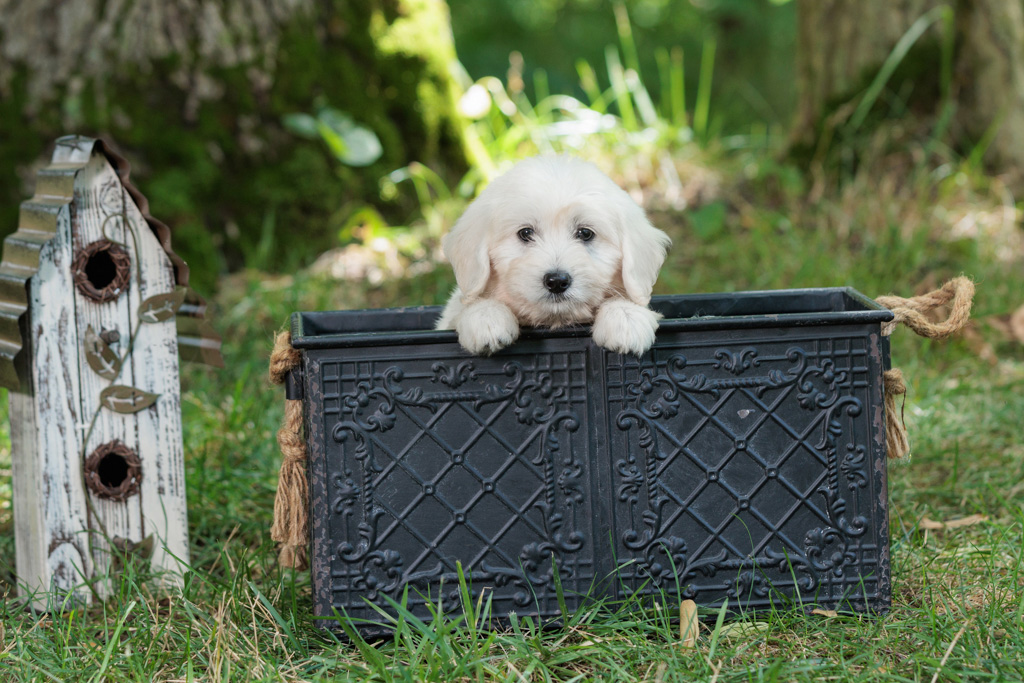
Bring a Golden Minidoodle puppy home today!

How to Build Confidence in a Minidoodle Puppy from Day One

Confidence is one of the most important traits a dog can develop, and it begins far earlier than most families realize.

For Minidoodle puppies, confidence is not about boldness or fearlessness. It is about feeling safe, secure, and capable in the world around them. A confident Minidoodle is one who can adapt to new experiences, recover from uncertainty, and look to their people for reassurance when things feel unfamiliar.

The good news is that confidence is not built through perfection or constant training. It is built quietly, through consistency, thoughtful exposure, and trust, starting from the very first day your puppy comes home.

This guide walks through how families can support confidence in a Minidoodle puppy from day one, setting the foundation for a calm, emotionally steady companion.

What Confidence Really Looks Like in a Minidoodle

Confidence in a Minidoodle does not mean a puppy who rushes toward everything new or never hesitates.

In fact, healthy confidence often looks like:

  • Curiosity paired with caution
  • Willingness to explore with support
  • The ability to pause, observe, and decide
  • Recovery after being startled or unsure

Minidoodles are naturally people-oriented and emotionally perceptive. When raised thoughtfully, they tend to check in with their humans rather than reacting impulsively. That check-in behavior is a sign of security, not weakness.

The goal is not to eliminate uncertainty. It is to help your puppy learn how to move through it calmly.

Day One Sets the Emotional Tone

The first day home can feel overwhelming for a puppy. Everything is new, including smells, sounds, routines, and people.

Rather than trying to introduce everything at once, the first priority should be safety and predictability.

A calm environment, a designated resting space, and gentle interaction help your Minidoodle understand that they are protected and supported. This sense of emotional safety becomes the base from which confidence grows.

Confidence does not come from being pushed forward. It comes from knowing there is a secure place to return to.

Routine Builds Security Before Confidence Can Grow

Minidoodles thrive on routine, especially early on. Predictable patterns help puppies understand what comes next, which reduces anxiety and builds trust.

Consistent routines around:

  • Feeding
  • Sleep
  • Potty breaks
  • Play
  • Quiet time

help a puppy feel grounded in their environment.

When a puppy knows what to expect, their nervous system can relax. From that relaxed state, confidence has room to develop.

Routine is not about rigidity. It is about reliability.

Gentle Exposure Matters More Than Early Intensity

Socialization is often misunderstood as exposing a puppy to as much as possible as quickly as possible. In reality, quality matters far more than quantity.

Confidence grows when experiences are:

  • Controlled
  • Positive or neutral
  • Age-appropriate
  • Paired with reassurance

Introducing new sights, sounds, surfaces, and people slowly allows a Minidoodle puppy to process without becoming overwhelmed. It is perfectly okay for a puppy to observe from a distance before engaging.

Let curiosity lead. Confidence follows.

Let Your Puppy Set the Pace

One of the most effective ways to build confidence is to respect your puppy’s signals.

If your Minidoodle hesitates, pauses, or looks to you, that is communication. Responding calmly, rather than rushing or coaxing forcefully, teaches your puppy that their feelings matter.

Over time, puppies learn that:

  • They are allowed to assess situations
  • They can rely on their people for guidance
  • New experiences do not require panic

This trust-based approach often leads to stronger long-term confidence than pushing a puppy to “get over it.”

Positive Reinforcement Builds Emotional Safety

Minidoodles respond exceptionally well to positive reinforcement. Encouragement, praise, and gentle rewards help puppies associate new experiences with safety and success.

Confidence grows when puppies feel successful.

That success might look like:

  • Walking across a new surface
  • Meeting a new person calmly
  • Remaining relaxed during grooming
  • Settling in a new environment

Celebrating small wins helps your puppy internalize the belief that they can handle new situations.

Teach Independence Without Isolation

Confidence includes the ability to be comfortable alone, but this is built gradually.

Short periods of independent rest or play help Minidoodle puppies learn that separation is temporary and safe. This supports emotional resilience and prevents insecurity from developing later.

The key is balance. Puppies should not be left alone for long stretches early on, but they also should not feel dependent on constant interaction.

Calm independence builds quiet confidence.

Grooming and Handling Build Body Confidence

Minidoodles require regular grooming, which makes early handling especially important.

Gentle exposure to brushing, touching paws, ears, and face helps puppies feel comfortable in their own bodies. This physical confidence translates into emotional confidence over time.

When grooming is introduced slowly and positively, puppies learn that being handled is safe and predictable rather than stressful.

Your Emotional State Matters More Than You Think

Minidoodle puppies are highly perceptive. They notice tone, body language, and emotional shifts.

Remaining calm and steady during new experiences sends a powerful message. Even when something feels unfamiliar, your puppy looks to you for cues on how to respond.

Your confidence becomes their confidence.

This does not require perfection. It requires presence, patience, and consistency.

Set Realistic Expectations for Growth

Confidence is not linear. Puppies will have days when they feel braver and days when they feel unsure.

This fluctuation is normal and healthy.

What matters is the overall pattern. When puppies are consistently supported through uncertainty rather than rushed through it, confidence strengthens naturally.

Progress is measured in trust, not speed.

Confidence Is Built Through Relationships

Above all else, confidence grows from relationships.

Minidoodles are bred to connect. When they feel understood, supported, and included, they develop the emotional resilience needed to navigate the world calmly.

Daily interactions, shared routines, and quiet moments together all reinforce the message that they are safe, capable, and valued.

A Confident Start Leads to a Steady Future

Building confidence in a Minidoodle puppy does not require constant training sessions or rigid rules. It requires thoughtful presence, gentle guidance, and a commitment to meeting your puppy where they are.

When confidence is nurtured from day one, Minidoodles often grow into adaptable, emotionally steady dogs who feel secure in both familiar and new situations.

That foundation benefits not just the dog, but the entire household.

Confidence built early becomes calm companionship later, and that is one of the greatest gifts you can give your puppy.

The Small Moments That Build a Big Bond with Your Minidoodle

When families imagine bonding with their dog, they often picture big moments. The first day home. Training milestones. Exciting adventures or proud accomplishments.

But for most Minidoodles and their families, the deepest bond is not built in those standout moments. It is built quietly, through ordinary days and simple routines that slowly become meaningful.

Minidoodles are deeply people-oriented dogs. They form connections not through constant activity, but through presence, consistency, and shared experience. Over time, it is the small moments that create the strongest sense of trust and belonging.

This is what that bond really looks like.

It Starts with Being Together, Not Doing More

One of the earliest bonding moments with a Minidoodle is surprisingly simple. It is letting them be near you.

Minidoodles often choose closeness over stimulation. Sitting nearby while you work, resting at your feet during a quiet evening, or following you from room to room are not signs of neediness. They are signs of connection forming.

These moments teach your dog that they belong with you, even when nothing exciting is happening. Over time, that sense of belonging becomes the foundation for trust.

Morning Routines Set the Tone

Mornings offer some of the most consistent opportunities for bonding.

Whether it is a calm greeting when your Minidoodle wakes up, a predictable feeding routine, or a short walk to start the day, these moments create emotional safety. Dogs thrive on predictability, and Minidoodles are especially comforted by knowing what comes next.

When mornings are steady and unhurried, your dog learns that the day begins with connection rather than chaos. That feeling carries through the rest of the day.

Shared Quiet Builds Trust

Bonding does not always look active. Some of the most meaningful moments happen in stillness.

Sitting together while reading. Watching the world through a window. Resting on the couch after a long day. These quiet moments teach your Minidoodle that your presence is enough.

Over time, dogs learn that calm does not mean disengagement. It means safety. For a Minidoodle, feeling safe enough to relax near you is a powerful sign of trust.

Gentle Communication Matters

Minidoodles are observant and emotionally perceptive. They pay close attention to tone, body language, and energy.

Speaking calmly, moving thoughtfully, and responding consistently helps your dog feel understood. Even simple interactions like putting on a leash, brushing their coat, or guiding them through a new situation become bonding opportunities when handled with patience.

Your Minidoodle learns not just what you expect, but how you respond when things feel uncertain. That responsiveness strengthens the relationship more than perfection ever could.

Daily Care Becomes a Shared Language

Feeding, grooming, and basic care are often seen as chores, but for dogs, they are deeply relational moments.

When care is delivered consistently and gently, your Minidoodle learns that their needs will be met. Brushing becomes familiar. Handling feels safe. Even routine check-ins reinforce trust.

Over time, these moments become a shared language. Your dog understands that care comes from you, and that understanding deepens the bond in quiet, lasting ways.

Short Walks, Big Meaning

Walks are not just exercise for Minidoodles. They are shared experiences.

Moving through the world together, even for a short distance, reinforces partnership. Your dog checks in with you. You adjust pace and direction together. These small acts of coordination build mutual awareness.

It is not about distance or destination. It is about doing something side by side.

Responding to Your Dog’s Signals

One of the most powerful bonding moments is responding when your dog communicates.

When your Minidoodle pauses, looks to you, or hesitates, they are asking for guidance. Responding calmly teaches them that their communication is heard.

Over time, your dog learns that they do not need to react impulsively. They can check in, and you will respond. This trust strengthens emotional connection and builds confidence within the relationship.

Ending the Day Together

Evenings often bring some of the most meaningful bonding moments.

As the household slows down, Minidoodles naturally gravitate toward shared spaces. Sitting nearby while you relax, settling in for the night, or quietly following your evening routine reinforces togetherness.

These moments close the day on a note of calm and connection. Over time, they become part of how your dog understands home.

The Bond Grows Without Announcement

Perhaps the most remarkable thing about bonding with a Minidoodle is how quietly it happens.

There is rarely a single moment when you realize the bond is strong. Instead, one day you notice your dog understands your routine, responds to your presence, and seeks comfort in shared space.

The bond did not arrive suddenly. It grew through hundreds of small, ordinary moments that added up to something meaningful.

Why Small Moments Matter Most

Big milestones are exciting, but they are fleeting. Small moments are repeated, and repetition is what builds trust.

Minidoodles thrive on consistency and connection. When they feel included in daily life, they form bonds that feel natural and enduring.

It is not about doing more. It is about being present in what you already do.

A Bond Built to Last

The strongest bonds are not built through grand gestures. They are built through quiet presence, shared routines, and gentle care.

With a Minidoodle, the bond grows in the background of everyday life. In mornings that begin calmly. In afternoons spent nearby. In evenings that end together.

These moments may feel small at the time, but over months and years, they become the foundation of a relationship that feels steady, comforting, and deeply personal.

And that is how a big bond is built, one small moment at a time.

First-Time Dog Owners: Is a Minidoodle the Right Choice?

Choosing your first dog is exciting, emotional, and often overwhelming. For many families, it is not just about finding a dog they love. It is about finding a dog they feel confident caring for.

Minidoodles are often recommended to first-time dog owners because they are affectionate, intelligent, and adaptable. But no breed is the right fit for every household, especially when someone is new to dog ownership.

The real question is not whether Minidoodles are good dogs. They are.

The question is whether a Minidoodle fits your lifestyle, expectations, and ability to commit to daily care.

This guide walks through what first-time dog owners should honestly consider before choosing a Minidoodle, so families can make a decision that feels informed and comfortable rather than rushed.

Why First-Time Dog Owners Are Drawn to Minidoodles

Minidoodles appeal to many first-time owners for understandable reasons. They are typically described as friendly, people-oriented, and emotionally intuitive. Their size feels manageable, and their temperament is often well-suited to family life.

For many new owners, the idea of a dog that is both affectionate and adaptable feels reassuring. Minidoodles are known for forming strong bonds with their people, which can be especially comforting for someone navigating dog ownership for the first time.

That said, affection and adaptability do not replace responsibility. Understanding what daily life truly involves is essential.

Temperament: A Strong Match for the Right Homes

Minidoodles are deeply people-focused dogs. They tend to thrive in homes where they are included in daily life rather than treated as background companions.

For first-time owners, this can be a positive experience. Minidoodles are typically responsive to guidance, eager to engage, and emotionally tuned in to their household. Many families find that this responsiveness makes early training and bonding feel more intuitive.

However, this same sensitivity means Minidoodles do best with:

  • Consistent routines
  • Gentle, clear guidance
  • Positive reinforcement rather than harsh correction

First-time owners who are willing to learn, ask questions, and stay consistent often find Minidoodles to be rewarding companions.

Training: Will a Minidoodle Be Hard to Train?

One of the biggest concerns for first-time dog owners is training. Minidoodles are generally intelligent and eager to please, which works in a new owner’s favor.

They tend to respond well to:

  • Short, focused training sessions
  • Repetition paired with encouragement
  • Clear boundaries established early

What matters most is not prior experience, but willingness to engage. Training does not need to be perfect, but it does need to be consistent.

First-time owners who approach training as relationship-building rather than rule enforcement often see the best results with Minidoodles.

Energy Levels: Manageable, Not Maintenance-Free

Minidoodles are active dogs, but they are not typically overwhelming when their needs are met.

They enjoy:

  • Daily walks
  • Interactive play
  • Mental stimulation

They also appreciate downtime and often settle well when they feel secure and included.

For first-time owners, this balance can be ideal. Minidoodles usually do not require constant physical activity, but they do need engagement. Ignoring exercise and enrichment entirely can lead to restlessness, while overdoing it can create overstimulation.

Learning this balance is part of responsible ownership, not a failure of experience.

Grooming: An Area That Requires Commitment

Grooming is one area where first-time owners should pause and be realistic.

Minidoodles require regular coat maintenance. Brushing, professional grooming, and early grooming exposure are not optional parts of ownership.

This does not mean grooming needs to be stressful. Many families turn it into a calm routine, especially when introduced early and handled gently. But it does require time, planning, and consistency.

First-time owners who are comfortable learning grooming basics and maintaining a schedule tend to adjust well.

Emotional Needs: Connection Is Not Optional

Minidoodles are companion dogs. They are happiest when they feel emotionally connected to their people.

This means they are not ideal for households where the dog will be left alone for long stretches without support. They thrive in homes where:

  • Someone is present for part of the day
  • Enrichment is part of the routine
  • Emotional connection is valued

For first-time owners seeking companionship and a relationship, this is often a positive. For those looking for a highly independent dog, it may feel more demanding.

Being honest about availability and lifestyle is key.

Structure Helps First-Time Owners Succeed

A common misconception is that experience matters more than structure. In reality, structure is often what helps first-time owners succeed.

Minidoodles do best when:

  • Feeding times are consistent
  • Daily movement is predictable
  • Expectations are clear
  • Calm routines are reinforced

Structure builds confidence for both the dog and the owner. It removes guesswork and creates a sense of shared understanding that makes daily life smoother.

First-time owners who commit to routine often find that challenges feel manageable rather than overwhelming.

Common Concerns First-Time Owners Have

Many families worry about making mistakes. The truth is that mistakes are part of learning.

Minidoodles are generally forgiving dogs. They respond well to patience and repair. A missed walk or an imperfect training session does not undo the bond you are building.

What matters most is effort, consistency, and a willingness to adjust as you learn.

When a Minidoodle Is a Great First Dog

A Minidoodle is often a strong choice for first-time owners who:

  • Want a people-oriented companion

  • Are open to learning and guidance

  • Can commit to routine and grooming

  • Value emotional connection over independence

They tend to do well in homes that prioritize relationship, not perfection.

When a Minidoodle May Not Be the Right Fit

It is equally important to recognize when a Minidoodle may not be ideal.

They may not be the best fit for families who:

  • Expect a low-engagement dog

  • Are unable to commit to grooming

  • Prefer a highly independent temperament

  • Cannot provide consistent routine or companionship

Choosing the right dog is about alignment, not obligation.

A Thoughtful First Choice

For many first-time dog owners, a Minidoodle becomes not just their first dog, but the standard by which they measure all future dogs.

When thoughtfully matched and supported, Minidoodles often grow into steady, affectionate companions who make learning dog ownership feel rewarding rather than intimidating.

The right first dog does not require perfection. It requires commitment, care, and a willingness to grow together.

For families ready for that kind of relationship, a Minidoodle can be a wonderful place to begin.

What Daily Life with a Minidoodle Really Looks Like

Minidoodles are often described as affectionate, smart, and adaptable. While all of that is true, families considering one often want something more practical than a list of traits.

They want to know what life actually feels like.

What a normal day looks like.

How a Minidoodle fits into real schedules, real homes, and real routines.

Daily life with a Minidoodle is not constant activity or constant calm. It is a thoughtful balance of engagement and companionship, play and rest, structure and flexibility. For the right families, that balance is exactly what makes the breed such a good fit.

This guide offers an honest look at what living with a Minidoodle really involves, from morning to night.

Mornings Start with Connection

Most Minidoodles wake up ready to engage with their people. Not frantic, but attentive.

Mornings typically involve a calm check-in. A wagging tail, quiet following from room to room, and an eagerness to start the day alongside the family. This is a breed that thrives on closeness, and that shows early in the day.

A short walk, backyard time, or gentle play helps release overnight energy. Many families find that a predictable morning routine sets the tone for a more settled day. Once physical needs are met, Minidoodles tend to transition easily into a calmer state.

They are not dogs that need constant entertainment, but they do appreciate being included.

Midday Is About Balance

One of the reasons Minidoodles fit so well into modern households is their ability to balance activity with downtime.

After morning engagement, many Minidoodles are content to rest near their people. Whether someone works from home or the house is quieter during the day, they often settle naturally once they feel secure.

That does not mean they lack energy. It means their energy is responsive rather than demanding.

Mental stimulation matters just as much as physical activity. Simple enrichment, gentle training reinforcement, or interactive toys can make a big difference in keeping a Minidoodle content throughout the day.

When their needs are met, they are typically excellent at relaxing without becoming restless.

Minidoodles Are Observant Companions

One of the most noticeable aspects of daily life with a Minidoodle is how closely they observe their environment.

They pay attention to changes in routine.

They notice shifts in mood.

They respond to the emotional tone of the household.

This attentiveness makes them deeply connected companions, but it also means they do best in homes where consistency and reassurance are part of daily life. When they know what to expect, they thrive.

Many families are surprised by how naturally their Minidoodle adjusts to their household rhythm, syncing sleep, play, and quiet time with the people around them.

Afternoons Often Bring Playful Energy

As the day progresses, many Minidoodles experience a second wave of playful energy.

This is often when:

  • Short walks feel especially enjoyable
  • Interactive games become more engaging
  • Training sessions are most productive

Play during this time is not usually chaotic. It is social, responsive, and often short-lived. A focused burst of activity followed by rest is common for the breed.

Families who build consistent afternoon engagement into their routine often find that evenings are calmer and more relaxed.

Evenings Are When the Bond Shows Most Clearly

Evenings tend to highlight one of the Minidoodle’s strongest qualities: their desire to be close.

As households slow down, Minidoodles naturally gravitate toward shared spaces. They settle near the couch, rest at their owner’s feet, or curl up nearby while the family unwinds.

This is when many families notice just how emotionally connected their dog has become. Minidoodles do not demand attention, but they clearly value proximity. Simply being near their people seems to meet an important emotional need.

For many households, this steady companionship becomes one of the most rewarding parts of daily life.

Structure Matters More Than Intensity

A common misconception is that smaller dogs require less structure. In reality, Minidoodles thrive when their days have a predictable flow.

They do best with:

  • Consistent feeding times
  • Regular opportunities for movement
  • Clear expectations around rest and activity
  • Gentle reinforcement rather than strict correction

Structure helps Minidoodles feel confident. It reduces anxiety and allows their adaptable nature to shine. When routines are clear, these dogs tend to be emotionally steady and easy to live with.

Grooming and Care Are Part of the Routine

Daily life with a Minidoodle also includes ongoing grooming awareness.

Their coat requires regular maintenance, and families should expect brushing to be part of the weekly rhythm. While grooming does not need to dominate daily life, it is not something that can be ignored.

Many families turn grooming time into a calm bonding moment rather than a chore. When introduced early and handled consistently, Minidoodles tend to accept grooming as part of normal life.

Quiet Moments Matter Just as Much as Activity

One of the most underestimated aspects of living with a Minidoodle is how much they value calm, shared moments.

They are not dogs that need constant stimulation to feel fulfilled. They enjoy sitting nearby, watching the world from a window, or simply being part of the household without being the center of attention.

These quiet moments are often when the bond deepens the most. Over time, families realize that companionship does not always need action. Presence alone can be enough.

What Families Often Say After the Adjustment Period

Once the early transition period passes, many families describe daily life with a Minidoodle as surprisingly intuitive.

Their dog:

  • Understands the household rhythm
  • Adjusts easily to routine changes
  • Feels emotionally connected without being overwhelming
  • Fits naturally into everyday life

This is not accidental. It comes from thoughtful breeding, early socialization, and a temperament designed for connection.

A Dog That Fits into Real Life

Daily life with a Minidoodle is not about constant activity or perfect behavior. It is about balance, presence, and relationship.

They are dogs that want to be included, not entertained nonstop. Dogs that offer affection without pressure and companionship without noise.

For families looking for a dog that fits into their real, imperfect, busy lives, a Minidoodle often feels like a natural extension of the home rather than a disruption to it.

And once that rhythm is established, daily life with a Minidoodle feels less like ownership and more like a partnership.

Are Minidoodles Good with Children?

Minidoodles are a delightful blend of English Cream Golden Retrievers and Mini Poodles. They are known for their friendly nature and gentle temperament. This makes them a popular choice for families with children.

Families often seek dogs that are both playful and calm. Minidoodles fit this description perfectly. They are energetic yet patient, making them ideal companions for kids.

Their intelligence and trainability are standout traits. These qualities make them easy to integrate into family life. Minidoodles quickly learn commands and routines, which is beneficial for busy households.

One of the most appealing features of Minidoodles is their hypoallergenic coat. This is a significant advantage for families with allergy concerns. Their low-shedding fur means less mess and more cuddles.

Minidoodles are adaptable to various living situations. Whether in a city apartment or a suburban home, they thrive. Their small to medium size makes them versatile companions.

These dogs are not just pets; they become family members. Their loyalty and affection create strong bonds with children. Minidoodles often become a child’s best friend.

Choosing a family-friendly dog is a big decision. Minidoodles offer a perfect blend of companionship and playfulness. They are a wonderful addition to any family.

What Are Minidoodles? Understanding the Breed

Minidoodles are a charming crossbreed, combining the best traits of two beloved breeds. They inherit intelligence, loyalty, and a gentle nature. This makes them ideal companions for families and children.

Born from English Cream Golden Retrievers and Mini Poodles, these dogs offer a mix of qualities. Golden Retrievers are renowned for their friendly and social demeanor. Mini Poodles bring intelligence and a hypoallergenic coat.

Minidoodles are small to medium-sized dogs. Their compact size allows them to fit comfortably in various living environments. Whether in an apartment or a spacious home, they adapt well.

They typically weigh between 15 to 35 pounds and have a lifespan of 12 to 15 years. This longevity ensures a long-term bond, providing enduring companionship. Families can count on their presence for many joyful years.

Key Characteristics of Minidoodles

  • Size: Small to Medium (15-35 pounds)
  • Lifespan: 12-15 years
  • Temperament: Friendly, Social, Intelligent
  • Coat: Hypoallergenic, Low-Shedding
  • Adaptability: Suitable for various living spaces

Minidoodles are more than just their physical traits. They embody a blend of playfulness and calmness. These characteristics make them especially well-suited for homes with children.

The Temperament of Minidoodles: Why Families Love Them

Minidoodles are celebrated for their outstanding temperament. These dogs are friendly and gentle, ideal for homes with kids. Their calm nature is a significant reason why families adore them.

One defining feature is their affectionate disposition. Minidoodles form strong bonds with family members, becoming close companions. This attachment often turns into a protective instinct around children.

Their intelligence enhances their trainability, making them a joy to manage. This intelligence also aids in understanding family dynamics and adapting to changes. Minidoodles thrive in environments where they are part of family activities.

These dogs exhibit a playful spirit, matching the energy of active children. They are always eager for playtime, be it a game of fetch or a walk in the park. This playful temperament keeps kids engaged and active.

Minidoodles are notably patient, a crucial trait when interacting with young kids. Their tolerance and understanding reduce the likelihood of accidental harm during play. This patience contributes to a harmonious household.

Reasons Families Love Minidoodles

  • Affectionate and Loyal: Strong bonds with family
  • Intelligent and Trainable: Adaptable to family life
  • Playful Nature: Matches children’s energy levels
  • Patient and Gentle: Suitable for young children
  • Protective Instincts: Provides a sense of security

Their protective and social nature endears them to every family member. Whether for a quiet evening at home or an adventure outside, Minidoodles make the perfect family member.

Minidoodles and Children: A Perfect Match

Minidoodles and kids seem to be a match made in heaven. Their amicable nature and adaptability align well with family life.

These dogs are eager to please, a trait that resonates well with children. They enjoy receiving affection and cuddles from young ones.

Their size is also a big advantage. As small to medium-sized dogs, Minidoodles fit comfortably in both apartments and larger homes. This makes them accessible for families with different living spaces.

Their hypoallergenic coat is a blessing for families with allergies. It minimizes the risk of allergic reactions and makes them more suitable for sensitive children. Regular grooming keeps their coat healthy and appealing.

In terms of energy levels, Minidoodles are perfectly balanced. They are energetic enough for play but calm enough when relaxation is needed. This balance is ideal for keeping up with the dynamic pace of family life.

Minidoodles excel as companions, often becoming a child’s best friend. Their loyalty ensures they stay close, offering emotional support and companionship.

Key Traits Making Them Child-Friendly

  • Size and Adaptability: Fit in various living situations
  • Hypoallergenic Coats: Suitable for allergy-prone families
  • Balanced Energy Levels: Active yet calm demeanor
  • Companion Nature: Form strong bonds with kids
  • Easy to Train: Responds well to child interaction

In summary, Minidoodles foster an enriching environment for children. Their loyal, loving, and lively nature enhances family life. By bringing a Minidoodle home, you’re inviting a gentle soul that thrives alongside children.

Benefits of Minidoodles for Families with Kids

Minidoodles offer a plethora of benefits for families with children. Their gentle temperament makes them a fantastic choice for households seeking a child-friendly pet.

These dogs are known for their loyalty, forming strong bonds with all family members. This strengthens the family unit, encouraging care and cooperation among everyone involved.

Minidoodles are incredibly smart and quick learners. This intelligence simplifies training sessions, a fact that parents and children alike appreciate.

They require moderate exercise, which is perfect for active children who love playtime. Walking or playing fetch turns into enjoyable and healthy family bonding time.

Another advantage is their notable patience. Minidoodles often remain calm, even when faced with boisterous kids, reducing the chance of accidental knocks or bites.

Family Benefits of Minidoodles

  • Loyal Companions: Strengthen family bonds
  • Intelligent and Trainable: Easier interaction with kids
  • Moderate Exercise Needs: Suitable for family activities
  • Patient Nature: Tolerant of children’s antics
  • Calm Demeanor: Reduces risk of accidents

Ultimately, Minidoodles contribute positively to family life. Their balance of energy, trainability, and patience makes them ideal companions. Families with children appreciate these qualities greatly, enriching their collective experience.

Training Minidoodles: Tips for Raising a Child-Friendly Dog

Training your Minidoodle ensures they fit seamlessly into family life. Start training early to instill good habits from the beginning.

Consistency is key. Keep commands simple and always use the same words for tasks to avoid confusion. Children can join in by learning the commands, reinforcing consistency.

Positive reinforcement works wonders with Minidoodles. Reward them with treats and praise for good behavior. This encourages them to repeat desired actions, making the process enjoyable for all.

Involve children in training sessions. This practice teaches kids responsibility and creates mutual respect between the dog and family members. It also strengthens the bond between pets and humans.

Remember, patience is crucial. While Minidoodles are smart, every dog learns at its own pace. Take breaks when needed and enjoy the process together.

Training Tips for Minidoodles

  • Start Early: Build good habits from the start
  • Consistency: Use simple, repeated commands
  • Positive Reinforcement: Reward good behavior with praise and treats
  • Involvement: Encourage children to participate
  • Patience: Allow your Minidoodle to learn at its own pace

Proper training ensures your Minidoodle thrives in a family environment, creating a happy, well-behaved companion for years to come.

Socialization: Helping Minidoodles Thrive with Children

Socialization plays a vital role in a Minidoodle’s development. By introducing them to various situations early on, they become confident and adaptable.

Expose your Minidoodle to different environments and experiences. Take them to parks, introduce them to other pets, and let them meet new people. This exposure reduces anxiety and encourages friendliness.

Involve your children in socialization activities. Encourage them to play and interact with the dog. This enriches the bond between your Minidoodle and your kids, fostering mutual trust.

Supervision is essential during these interactions. Ensure that all engagements are positive and safe, especially with younger children. This not only protects all parties but also reinforces good behavior in your Minidoodle.

Socialization Tips for Minidoodles

  • Diverse Environments: Explore new places with your dog
  • New Faces: Meet other people and pets
  • Play: Let kids and dogs interact regularly
  • Supervise: Ensure safe and positive interactions

Through effective socialization, Minidoodles can confidently navigate the world, creating harmonious relationships with children and adults alike.

Health, Grooming, and Care: What Families Should Know

Proper care ensures your Minidoodle stays healthy and happy. Regular veterinary check-ups are crucial for monitoring their well-being.

Minidoodles boast a hypoallergenic coat, ideal for allergy-prone families. However, their coat requires regular grooming to remain clean and tangle-free.

Daily brushing helps prevent matting. Consider professional grooming every few months to maintain their elegant appearance.

Minidoodles enjoy physical activity, but moderate exercise suffices to keep them fit. Daily walks and active playtime are perfect.

Pay attention to their diet. A balanced diet supports their energy needs and maintains their vibrant coat.

Essential Care Tips for Minidoodles

  • Regular Vet Visits: Keep up with health checks
  • Grooming Routine: Brush daily, groom professionally
  • Exercise: Engage in daily walks and play
  • Balanced Diet: Provide nutritious meals

By following these tips, you support your Minidoodle’s health. This allows them to thrive in family life, bringing joy and companionship.

Minidoodles and Other Pets: Building a Harmonious Home

Minidoodles are known for their sociable nature. They typically get along well with other pets in the home. Their gentle temperament allows them to adapt easily to multi-pet households.

Introducing Minidoodles to existing pets should be handled calmly. Slow introductions help them establish a comfortable dynamic with other animals. Patience is key during these interactions.

Creating a balanced environment ensures harmony among all pets. Provide each pet with attention, space, and resources to thrive. Minidoodles’ adaptable nature can foster a peaceful and happy home environment.

Tips for Multi-Pet Households

  • Slow Introductions: Ease Minidoodles into new relationships
  • Maintain Balance: Share attention among all pets
  • Provide Space: Ensure each pet has its own area

Teaching Children to Interact with Minidoodles

Teaching children how to interact with Minidoodles is crucial. It ensures safety and fosters a positive bond. Start by setting boundaries for both the child and the dog.

Encourage gentle petting and discourage rough play. Minidoodles, known for their patience, respond well to kindness. Educate children about reading the dog’s body language.

Consistent guidance helps kids form a loving relationship with Minidoodles. This interaction also teaches responsibility and empathy in young ones. By being role models, parents can reinforce these lessons effectively.

Guidelines for Child-Dog Interaction

  • Gentle Petting: Encourage soft touch
  • Avoid Rough Play: Promote safe interaction
  • Learn Body Language: Understand dog signals

Frequently Asked Questions about Minidoodles and Children

Many families wonder if Minidoodles are hypoallergenic. Due to their Poodle heritage, Minidoodles usually have low-shedding coats. This makes them a good option for families with allergy concerns.

Another common question is about exercise needs. Minidoodles need moderate exercise daily. Family walks or play sessions in the yard can satisfy their energy levels.

Parents often ask if Minidoodles can adapt to a baby’s arrival. These dogs are adaptable and can adjust to new dynamics. It’s essential to introduce them gradually to any changes.

Some families worry about house training Minidoodles. These intelligent dogs learn quickly with consistent training. This trait simplifies the house-training process, making it less stressful for families.

FAQs Quick List

  • Are Minidoodles hypoallergenic? Yes, generally low-shedding.
  • Exercise needs? Moderate daily exercise is sufficient.
  • Adapting to a baby? Yes, they are adaptable.
  • Easy to house train? Yes, due to high intelligence.

Is a Minidoodle Right for Your Family?

Deciding if a Minidoodle is right for your family involves considering a few key factors. These dogs need love, attention, and regular care from dedicated owners. They thrive in active environments where they can participate in family activities.

Assessing your family’s lifestyle is crucial. Consider the following points:

  • Available time for care and attention
  • Living space: apartment or house
  • Ability to provide regular exercise
  • Willingness to engage in grooming routines

A Minidoodle can be a wonderful fit for families ready to meet these needs.

Conclusion: The Family-Friendly Choice

Minidoodles make exceptional family pets due to their gentle and playful nature. Their adaptability to different lifestyles ensures they fit well in any family dynamic.

With their loving temperament and low-shedding coats, Minidoodles are ideal companions, especially for families with children. They offer endless joy and companionship, making them an excellent choice for those seeking a family-friendly dog.

Will a Minidoodle Puppy Be Happy in an Apartment?

If you’re living in an apartment and dreaming of bringing home a Royal Minidoodle puppy, you might be wondering: Can a larger dog really thrive in a smaller space? It’s a fair question — and one we hear often from future puppy parents.

Royal Minidoodles are a cross between the highly intelligent Poodle and the affectionate, easygoing English Cream Golden Retriever. While they fall under the “mini” doodle category, these dogs are often larger than people expect, especially when compared to other mini breeds. So let’s explore whether a Minidoodle is a good fit for apartment living — and what it takes to keep them happy, healthy, and thriving in a smaller space.

How Big Are Royal Minidoodles, Really?

Royal Minidoodles typically range from 30 to 45 pounds and stand about 16 to 20 inches tall at the shoulder, depending on their specific lineage. While they’re smaller than standard Goldendoodles, they are not as compact as a Toy or Mini Poodle mix. Their size puts them firmly in the “medium-to-large” category for apartment dogs.

But size isn’t everything — temperament, energy level, and adaptability play a bigger role in determining whether a dog can thrive in a smaller space.

Are Minidoodles a Good Fit for Apartment Living?

The short answer is: yes — with the right structure, stimulation, and attention, a Royal Minidoodle can absolutely be happy in an apartment. These dogs are:

  • People-oriented and enjoy being close to their families
  • Intelligent and trainable, making them well-suited to environments with routines
  • Moderate-to-high energy, which means they need daily activity but don’t necessarily require a backyard 

The key to raising a happy Minidoodle in an apartment is to compensate for the lack of space with enrichment, exercise, and companionship.

Tips for Apartment Living with a Minidoodle

1. Commit to Daily Exercise

Minidoodles need about 45–60 minutes of exercise per day, which can include brisk walks, games of fetch, or dog park visits. In an apartment, your dog will rely on you to initiate movement, so consistency is important.

Tip: Break exercise into two sessions — a longer morning walk and a shorter evening outing — to help prevent restlessness.

2. Make Use of Indoor Enrichment

Mental stimulation is just as important as physical activity. Puzzle toys, snuffle mats, and basic obedience training sessions help keep their sharp minds engaged.

Bonus: A tired brain = a calm dog in the apartment.

3. Create a Puppy-Friendly Zone

Set up a designated area in your apartment with your puppy’s crate, toys, and soft bedding. A consistent space helps your Minidoodle feel secure and teaches boundaries early on.

4. Prioritize Socialization

Apartment life can introduce your dog to plenty of new sights, sounds, and smells. Take advantage of this! Introduce your puppy gradually to elevators, doorbells, neighbors, and traffic sounds so they grow up confident, not anxious.

5. Establish a Routine

Dogs thrive on structure. In apartment settings, where there’s often more stimulation and less outdoor freedom, a predictable routine helps your Minidoodle feel calm and secure.

What Challenges Should You Expect?

While Minidoodles are generally adaptable, there are some challenges to be aware of in apartment living:

  • Barking: These vocal dogs may alert to hallway noise. Early training is key.
  • Separation anxiety: If you’re gone for long hours, they may struggle without company or activity.
  • Space limitations: Energetic puppies may get zoomies — and apartments aren’t always made for sprints!

Solution: Doggy daycare, dog walkers, and interactive toys can help offset these challenges.

What Makes Minidoodles Great for Apartments?

Despite their medium size, Minidoodles bring a wonderful blend of traits that make them well-suited to apartment living:

  • Gentle and social temperament
  • Highly trainable, which helps with manners and house rules
  • Low-to-moderate shedding, depending on their coat type
  • Strong attachment to their people, meaning they’re happiest wherever you are — not just where the biggest yard is

Final Thoughts: Can a Minidoodle Thrive in an Apartment?

Yes — a Royal Minidoodle can be very happy in an apartment, as long as their physical and emotional needs are being met. With a bit of planning, patience, and daily engagement, your Minidoodle will adapt beautifully to apartment life and reward you with endless love, loyalty, and joy.

Looking for more resources on life with a Minidoodle? Explore our blog or get in touch — we’d love to help you decide if now is the right time to welcome one into your home.

The Top Reasons You Should Get a Dog

Thinking about getting a dog? You’re not alone. Many people consider adding a furry friend to their lives.

Dogs bring joy and companionship. They offer unconditional love and loyalty. But there’s more to it than just cuddles.

Owning a dog can transform your life. They encourage you to be active and social. They can even improve your mental health.

Dogs are more than pets; they become family. They teach responsibility and routine, especially to children. They offer emotional support and comfort.

But is a dog right for you? It’s important to weigh the benefits and challenges. Dogs require time, effort, and commitment.

In this article, we’ll explore the top reasons to get a dog. We’ll discuss the joys and responsibilities of dog ownership.

Whether you’re an aspiring dog breeder, a pet care blogger, or just curious, this guide is for you. Let’s dive into the world of dogs.

Why Get a Dog? The Heart of Canine Companionship

A dog’s love is unconditional. They greet you with excitement, whether you’ve been gone a minute or hours. This affection forms the core of why many people choose to get a dog.

Dogs provide constant companionship. They are always by your side, ready to listen without judgment. This bond is often compared to the love found in families.

Here are some reasons people cherish their dogs:

  • Unwavering loyalty and love
  • Consistent companionship and presence
  • Offers comfort in tough times

Having a dog can transform your emotional state. They have an innate ability to sense your mood and provide solace. Their presence can calm anxiety and lift spirits, offering a sense of peace and belonging.

Dogs are excellent listeners, never interrupting or casting judgment. This offers a unique relationship, one that fosters trust and affection. As you develop this bond, you’ll discover the true heart of canine companionship. Whether offering a paw or a wag, dogs always remind us of the beauty of life’s simple pleasures.

10 Life-Changing Benefits of Dogs

Dogs are more than just pets; they are family members who can dramatically enhance our lives. Let’s explore ten transformative benefits they bring.

  1. Improved Mental Health: Studies show dogs reduce stress and anxiety. Their mere presence can provide emotional stability.
  2. Physical Fitness: Dogs need daily walks, encouraging us to stay active. This routine improves our physical health, boosting cardiovascular fitness.
  3. Social Connections: Dog parks and walks introduce us to fellow dog lovers. These interactions can lead to lasting friendships.
  4. Emotional Support: Dogs are intuitive and can provide comfort during tough times. They often sense our emotions and offer companionship.
  5. Routine and Structure: Dogs thrive on routine, helping us establish structured days. This can be especially beneficial for families and children.
  6. Enhanced Security: Dogs have a natural instinct to protect their homes. Their presence can deter potential intruders, offering a sense of safety.
  7. Teaching Responsibility: Caring for a dog requires commitment. It teaches responsibility, a valuable lesson for both adults and children.
  8. Increased Happiness: The joyful antics of dogs often bring a smile to our faces. Their playful nature is infectious and can brighten any day.
  9. Learning Empathy: Interaction with dogs fosters empathy and understanding. We learn to read their cues and respond with compassion.
  10. Unconditional Love: The love from a dog is pure and unwavering. This bond offers comfort and creates a sense of belonging.

Each benefit enriches our lives in unique ways, making the decision to bring a dog into your home a deeply rewarding choice. By embracing the companionship of a dog, we open ourselves to a lifetime of joy and learning.

Dogs as Family: Building Unbreakable Bonds

Dogs quickly become a part of the family, weaving themselves into the fabric of our daily lives. Their presence transforms a house into a home, filling it with energy and love.

The bonds we form with our dogs are profound. They offer loyalty and affection, building connections that last a lifetime. This bond is reciprocated, as dogs become attuned to our emotions and routines.

Many find that having a dog strengthens family ties. Caring for a pet requires teamwork and shared responsibility, fostering unity and cooperation. It becomes a collective endeavor, enriching relationships between family members.

Children, in particular, benefit greatly from growing up with dogs. They learn empathy and compassion, understanding the importance of caretaking and companionship. These lessons carry forward into their adult lives, shaping them into more caring individuals.

Here are some ways dogs enrich family life:

  • Encourage family activities like walking and playing
  • Create shared responsibilities among family members
  • Offer endless love and affection

Dogs fill our lives with joy, laughter, and unconditional love. They become cherished family members, teaching us valuable life lessons. Ultimately, dogs help us build unbreakable bonds, enriching our lives in countless ways.

Emotional Support Dogs: Healing Hearts and Minds

The therapeutic benefits of dogs are vast and undeniable. Emotional support dogs offer comfort and stability, particularly during challenging times. Their presence alone can be healing.

They provide a calm presence that reduces anxiety and fosters a peaceful environment. This tranquility often extends to their owners, leading to improved mental well-being. It’s no wonder emotional support dogs are a beacon of hope for many.

These dogs are not restricted by breed or size. Any dog with the right temperament can provide emotional support. They adapt to their owner’s needs, offering an understanding and non-judgmental companionship.

Owners often describe their emotional support dogs as intuitive and empathetic. They seem to know when their help is most needed. They provide a source of strength and stability, offering solace in moments of distress.

Emotional support dogs contribute significantly to mental health care. Here’s how they assist their owners:

  • Reducing stress levels
  • Improving mood and providing comfort
  • Enhancing social engagement

For anyone struggling with emotional challenges, a support dog might just be the answer. They not only help heal hearts but also nurture and enrich lives. Dogs truly are incredible companions in our emotional journeys.

Physical and Mental Health Advantages of Dogs

Owning a dog can be a significant boost to both your physical and mental health. Regular walks and playtime keep you and your dog active, enhancing fitness levels. Dogs are natural motivators for exercise.

Exercise lowers blood pressure and promotes heart health. Engaging in playful activities with your dog is an enjoyable way to maintain a healthy lifestyle. Plus, the outdoor exposure is refreshing and beneficial.

Mentally, dogs have an impressive impact. Their companionship can alleviate feelings of loneliness and depression. The unconditional love they offer is an emotional anchor during tough times. Caring for them provides a sense of purpose.

The simple act of petting a dog reduces stress and elevates mood. This tactile comfort can spark positivity and boost your spirits. Dogs sense emotional needs, offering a warm presence that invites calmness.

Social benefits accompany the physical and mental advantages. Owning a dog encourages interaction, combating social isolation. At dog parks or neighborhood strolls, dogs become a bridge connecting people.

Here are some profound health benefits dogs provide:

  • Improved cardiovascular health through regular activity
  • Lower stress and anxiety levels
  • Enhanced mood and emotional stability

Dogs are not just companions; they are catalysts for positive health transformations. They encourage an active lifestyle and provide deep emotional support, creating a holistic improvement in one’s well-being. A dog’s loyalty and care truly inspire a healthier life.

Social Perks: How Dogs Help You Connect

Dogs have an incredible ability to break the ice. When you’re out walking your dog, it’s almost like carrying a social passport. Conversations flow easily, centered around the dogs’ antics or unique breeds.

Dog owners often frequent parks where other like-minded individuals gather. These spaces are perfect for forging friendships. Sharing tips or amusing dog stories strengthens bonds and fosters a sense of community.

Having a dog brings a sense of belonging. You become part of a vast network where shared experiences create a feeling of unity. Dogs effortlessly introduce you to a diverse range of people.

Furthermore, dogs are naturally social creatures. They enjoy interactions, inviting their human counterparts to follow suit. Before you know it, you’re engaging in more community events or dog-related activities.

Here are some social benefits of owning a dog:

  • Encourages new friendships
  • Strengthens community bonds
  • Fosters belonging and connection

Ultimately, dogs enrich our social lives. They help build connections and community, all while being delightful companions.

Teaching Responsibility and Routine: Dogs and Children

Dogs play a significant role in teaching children important life skills. They provide a hands-on way for kids to learn about responsibility. Caring for a pet involves tasks that require commitment and consistency.

Children learn to feed, walk, and groom their dog. These activities establish a daily routine that kids come to depend on. Additionally, responsibility grows as they realize their pet relies on them for care.

Through these experiences, kids develop empathy and compassion. They begin to understand the needs and feelings of another living being. This nurtures their emotional intelligence and awareness.

Moreover, sharing life with a dog encourages problem-solving. Children learn how to address their pet’s needs and find solutions to day-to-day challenges. This fosters creativity and critical thinking skills.

Key responsibilities kids can learn from having a dog include:

  • Feeding and providing fresh water
  • Regular grooming and hygiene maintenance
  • Ensuring playtime and daily exercise

Dogs are not just companions; they’re invaluable teachers for children, paving the way for personal growth.

100 Reasons to Get a Dog: The Ultimate List

If you’re teetering on the decision to welcome a dog into your life, let this ultimate list nudge you. Every dog owner will attest to the unique joys and benefits of sharing life with a canine companion. From emotional support to endless adventures, there’s no shortage of reasons to make the leap.

Dogs offer more than just companionship. They enrich our lives with their loyalty and endless love. Whether it’s encouraging us to stay active or teaching us patience, dogs leave a significant imprint on our personal growth. The joy of coming home to a wagging tail and the comfort of a warm snuggle make every day brighter.

Emotional and Practical Benefits

  • Unconditional love and loyalty
  • Support during tough times
  • Reduced stress and anxiety
  • Increased physical activity
  • Enhanced social interactions
  • Improved mental health
  • Built-in alarm system
  • Consistent daily routines
  • Opportunities for outdoor adventures
  • Rich lessons in empathy and compassion

Opportunities for Learning and Growth

  • Teaching responsibility to children
  • Lessons in adaptability and resilience
  • Exploration of new hobbies like training and grooming
  • Educational journey about diverse dog breeds
  • Insights into animal behavior and psychology
  • Encouraging mindfulness and presence
  • Cultivating gratitude and appreciation
  • Building a sense of community and belonging
  • Fostering creativity and imagination
  • Enriching family dynamics and bonds

Each point underscores the irreplaceable role dogs play in our lives, encouraging personal development and emotional fulfillment. As you consider bringing a four-legged friend into your home, remember these myriad reasons that countless dog lovers cherish.

Are There Reasons Not to Get a Dog?

Before you rush into dog ownership, it’s important to recognize potential challenges. Owning a dog is a commitment that demands time and resources. Some obstacles can make this venture difficult for individuals or families.

First, consider the financial aspect. Dogs need regular vet visits, food, grooming, and sometimes training classes. The expenses add up quickly.

Also, contemplate the time commitment. Dogs thrive on attention and interaction. They can’t be left alone for long periods. Puppies, especially, require patience and consistent care during their early years.

Key Considerations

  • Financial costs for care and maintenance
  • Time commitments for training and exercise
  • Space requirements for active breeds
  • Possible allergies within the household

Assessing these factors helps ensure that you are truly ready to embrace the joy and responsibility of dog ownership.

How to Know If You’re Ready for a Dog

Deciding to bring a dog into your life is exciting. Yet, it requires careful thought. Ask yourself if you’re prepared for the responsibilities involved.

Reflect on your lifestyle and daily routine. Are you willing to adjust them to make room for a dog? Some days might be demanding, and flexibility is key.

Readiness Checklist

  • Are you financially stable to cover pet costs?
  • Do you have time for training and exercise?
  • Does your living space accommodate a dog?
  • Are allergies a concern for anyone in your home?

Being honest with yourself helps. If you answer these questions confidently, it might be time to welcome a new furry friend into your world.

Final Thoughts: The Joys and Commitments of Dog Ownership

Owning a dog is a journey filled with love and responsibility. It brings immense joy, requiring continuous care and dedication. The bonds you form are unparalleled.

Dogs enrich your life and offer countless moments of happiness. They teach patience, understanding, and unconditional love. This commitment is truly rewarding.

While challenges arise, the companionship and loyalty of a dog make it all worthwhile. Embrace the joyous experiences and embrace the responsibilities that come with dog ownership.

Essential Nutrients Every Dog Needs

Dogs are more than just pets — they are family. Supporting their health and happiness begins with thoughtful nutrition.

A well-balanced diet helps provide the building blocks dogs need to thrive. From proteins and fats to vitamins, minerals, and hydration, each nutrient plays a role in their overall well-being.

That said, every dog is unique. Age, breed, activity level, and existing health conditions all influence what “balanced” looks like. That’s why it’s always best to consult your trusted veterinarian when selecting or adjusting your dog’s diet.

This guide offers a helpful overview of essential nutrients and how they support canine health. While it’s not a replacement for medical guidance, we hope it serves as a starting point for more confident and informed choices.

Why Dog Nutrition Matters

Good nutrition lays the foundation for a dog’s physical development, energy levels, and immune function. While no single diet fits all dogs, certain nutrients are commonly recognized as essential:

  • Protein for muscle repair
  • Fats for energy and coat health
  • Carbohydrates for fuel
  • Vitamins and minerals for key body functions

When these elements are balanced properly, they can contribute to a longer, healthier life. But if you’re ever unsure, or if your dog has special health needs, your veterinarian is the best resource for dietary recommendations.

The Six Essential Nutrients for Dogs

Most dogs require a combination of these six core nutrients to support overall health:

  • Proteins
  • Fats
  • Carbohydrates
  • Vitamins
  • Minerals
  • Water

Each plays a specific role, and the right balance often depends on your dog’s individual needs. Speak with your vet before introducing new foods or supplements, especially if your dog has allergies, health concerns, or is in a transitional life stage.

1. Proteins: Growth and Muscle Support

Proteins are vital for maintaining muscle, repairing tissues, and supporting immune function. Common sources include chicken, beef, fish, and lamb.

Keep in mind: different life stages require different protein levels. Puppies typically need more to support growth, while adult and senior dogs may benefit from more moderate levels.
Your vet can help you determine the right amount and quality of protein for your dog.

2. Fats: Energy, Skin, and Coat Health

Fats provide concentrated energy and are especially important for active dogs. Omega-3 and Omega-6 fatty acids also support skin, coat, and joint health.

Common fat sources include:

  • Fish oil
  • Chicken fat
  • Flaxseed oil

Too much fat can lead to weight issues, so balance is key. If you’re unsure whether your dog is getting the right amount, your veterinarian can help assess their diet and condition.

3. Carbohydrates: Energy and Digestive Support

Carbs are often misunderstood in dog diets. While not biologically essential, many dogs benefit from them as a fuel source — especially when they come from wholesome ingredients like brown rice, oats, and sweet potatoes.

Fiber, a form of carbohydrate, also promotes healthy digestion.

As with all nutrients, carbohydrate needs vary. Always consider your dog’s activity level, and consult with a vet before making significant dietary changes.

4. Vitamins: Supporting Body Function

Vitamins play important roles in everything from immune support to bone development. Most dogs can get what they need from a well-formulated commercial food, but individual needs vary.

Some key vitamins include:

  • Vitamin A (vision and immune health)
  • Vitamin D (bone health)
  • Vitamin E (antioxidant support)
  • Vitamin K (blood clotting)

Too much of certain vitamins can be harmful. Always consult your vet before introducing a vitamin supplement.

5. Minerals: Bone Strength and Nerve Function

Minerals such as calcium, phosphorus, and magnesium are important for skeletal development, nerve function, and muscle health.

Many commercial foods include these minerals in appropriate amounts. But just like with vitamins, the wrong balance can cause problems — especially in large breed puppies. Your vet can recommend appropriate products based on your dog’s breed and life stage.

6. Water: The Unsung Essential

Clean water is just as important as food. It helps regulate body temperature, transport nutrients, and support digestion.

Make sure your dog always has access to fresh water, especially in hot weather or after exercise. Monitor their intake and contact your vet if you notice sudden changes in thirst or urination.

Life Stage Nutrition: Puppies, Adults, and Seniors

Dogs have different nutritional needs throughout their lives. Puppies, adults, and senior dogs all require diets tailored to their stage of development.

  • Puppies need more calories, protein, and specific nutrients to support rapid growth. Look for puppy-formulated diets with DHA for brain and eye development.
  • Adult dogs benefit from balanced maintenance diets that support energy and weight management. Monitor portion sizes and adjust as needed based on activity levels.
  • Seniors may need fewer calories and more fiber. Easily digestible proteins and joint-supportive nutrients like glucosamine may be helpful.

No matter the stage, regular check-ups and nutritional conversations with your vet are essential. Dietary needs can shift with age, and early adjustments can help prevent future issues.

Special Considerations: Breed, Size, and Activity Level

Every dog is different. Breed, size, and activity level all play a role in determining nutritional needs.

  • Large breeds may benefit from joint-supportive nutrients and controlled calcium levels.
  • Small breeds often need higher calorie density due to faster metabolisms.
  • Active dogs may require more calories and protein to support energy demands.

If you’re unsure what your dog needs, your veterinarian can help identify the right nutrient balance and feeding schedule.

Homemade vs. Commercial Diets

There are pros and cons to both homemade and commercial dog foods. What matters most is whether the diet is complete and balanced for your dog’s needs.

Homemade diets allow for full ingredient control but require careful formulation. Nutritional imbalances are common without expert input. If you choose to go this route, consult with a veterinary nutritionist.

Commercial diets are convenient and formulated to meet AAFCO standards. Look for products with clearly named proteins and minimal fillers.

Before switching to or from either option, talk with your vet. They can help you weigh the risks and benefits based on your dog’s specific health profile.

Reading Dog Food Labels: What to Look For

Dog food labels can be confusing, but learning the basics helps you make better choices.

  • Ingredients are listed by weight. Look for real proteins like “chicken” or “beef” near the top.
  • Guaranteed analysis shows minimum levels of protein and fat, and maximum levels of fiber and moisture. Compare this across products to evaluate nutritional content.
  • Additives and preservatives should be minimal. Avoid artificial colors or vague ingredient names like “animal by-product.”

If you have questions about a specific food, bring the label to your vet. They can help interpret it in the context of your dog’s needs.

Supplements and Canine Vitamins: When Are They Needed?

Supplements can be beneficial, but they’re not always necessary. Dogs eating a complete, balanced diet often don’t need extras unless there’s a medical reason.

Some common supplements include:

  • Omega-3s for coat and skin support
  • Glucosamine and chondroitin for joint mobility
  • Probiotics for digestive health

Always consult your vet before adding supplements to your dog’s routine. Too much of even a good thing can cause harm if not needed.

Common Pitfalls: Overfeeding, Allergies, and Dangerous Foods

  • Overfeeding is a leading cause of pet obesity. Stick to feeding guidelines and measure portions carefully.
  • Allergies and intolerances can cause itching, digestive upset, or ear infections. If you suspect a food allergy, your vet can guide you through an elimination trial.
  • Toxic foods include chocolate, grapes, onions, garlic, and xylitol. Never feed these, and keep them well out of reach.

Practical Tips for a Healthy Diet

  • Rotate proteins to provide variety and broaden nutrient exposure
  • Transition foods slowly to avoid stomach upset
  • Monitor weight and body condition regularly
  • Keep water fresh and bowls clean
  • Schedule annual vet visits and nutrition reviews

Lessons Learned from Feeding Our Dogs

Over the years, many pet owners have learned valuable lessons through real-life experience. At Royal Minidoodles, we’ve seen how different dogs respond uniquely to dietary changes. Some dogs thrive with more variety, others do better on simple routines. We’ve also seen firsthand how sensitive some dogs can be to even small changes in ingredients or feeding schedules.

Feeding a dog is as much about observation and adjustment as it is about planning. Consistency, quality, and responsiveness make all the difference.

Here are a few reminders gathered from our extended puppy family:

  • Consistency helps build trust and comfort
  • High-quality ingredients support better energy and coat health
  • Diets should evolve as dogs age and change

When in doubt, partnering with a trusted veterinarian ensures the best possible support for your dog’s well-being.

Conclusion: Nourishing Your Dog for Life

There’s no perfect diet for every dog, but a thoughtful approach to nutrition makes a meaningful difference. The best plan is one tailored to your dog’s needs, monitored regularly, and adjusted over time.

Work closely with your veterinarian. Their guidance is key in helping your dog live a long, healthy, and happy life.


How to Choose the Perfect Puppy Name

Fido? Rocket? Pickles? 

Bringing a new puppy home is a joyous occasion. It’s a time filled with excitement, cuddles, and, of course, the all-important task of choosing a name.

The name you choose for your puppy is more than just a label. It’s a reflection of their personality, your preferences, and the bond you share.

But how do you choose the perfect name? With so many options, from classic to creative, it can feel overwhelming.

This guide is here to help. We’ll explore a variety of puppy naming ideas, from the best puppy names to unique dog names, and even some funny puppy names for those looking for a touch of humor.

We’ll delve into the factors that can influence your choice, such as your puppy’s breed, size, and personality traits. We’ll also consider the impact of cultural references and personal significance.

Moreover, we’ll discuss the importance of a name in your puppy’s socialization and training. After all, a well-chosen name can make a big difference in your puppy’s responsiveness and overall behavior.

So, whether you’re an aspiring dog breeder, a pet care blogger, or an animal welfare activist, this guide is designed to inspire and assist you in the exciting journey of naming your new furry friend.

Let’s embark on this adventure together and find the perfect name for your puppy.

Understanding the Importance of a Good Puppy Name

Choosing a name for your puppy is more than a fun task. It holds significance for both you and your furry friend. A good name not only complements the puppy’s character but also aids in effective communication.

A well-chosen name can enhance your puppy’s responsiveness. Dogs naturally respond better to short and distinct names. Selecting a name that stands out to them can improve recall and obedience, creating a smooth training experience.

Moreover, the name you choose contributes to your puppy’s social experiences. A name that resonates with you and your family can strengthen the emotional bond you share. Additionally, it ensures your puppy feels like an integral part of the family. By choosing the perfect name, you set the stage for a loving and fulfilling relationship with your new furry companion.

Factors to Consider When Naming Your Puppy

When choosing a name for your puppy, consider multiple elements. These factors will help you find a name that fits perfectly. A thoughtful name choice can serve as a meaningful part of your puppy’s life.

Start by observing your puppy’s physical attributes. These can provide rich inspiration for a name. Things like coat color and eye shape can lead to creative choices.

Consider your puppy’s breed and lineage. This can suggest traditional names or playful twists on classic ones. Your dog’s heritage may guide your naming process.

Factor in your own lifestyle and preferences. A name reflecting your hobbies, favorite books, or movies can create a personal connection. It brings a bit of yourself into your puppy’s world.

Here’s a list of what to think about:

  • Physical characteristics
  • Breed and heritage
  • Personal interests
  • Family consensus
  • Season or time of year

Each point in this list is crucial in choosing a well-suited name.

Breed, Size, and Personality

Different breeds have distinctive traits that can spark naming ideas. A Saint Bernard might inspire a grand, majestic name. Conversely, a tiny Chihuahua could befit something more delicate or cute.

Your puppy’s size and personality also play a role. Active and energetic puppies might suit lively names, while calmer puppies may need gentler names. By considering these traits, the name choice can reflect the true essence of your pup.

Cultural and Personal Significance

Cultural references are another resource for name ideas. Names from mythology or ancient languages can offer unique choices. These names often carry meanings that add depth and character.

Personal significance should not be overlooked. A name derived from a family tradition or a cherished memory can have lasting meaning. This adds a layer of sentimentality, making your puppy’s name even more special.

Training and Socialization Considerations

Naming is not just about aesthetics; it’s practical too. Choose a name that sounds distinct from common commands to avoid confusion during training. Clarity in commands fosters better learning.

Socialization is critical for puppies, and their name plays a part here as well. A name that is easy for others to pronounce and remember can facilitate better interactions. Your puppy will benefit from smooth and positive social encounters.

Popular Puppy Naming Trends

Naming trends evolve and reflect broader societal shifts. Currently, human names for dogs are a booming trend. This reflects the way we view dogs as part of our family.

Pop culture also heavily influences puppy naming. Characters from movies, TV shows, and books inspire many choices. These names tap into shared cultural stories and experiences.

Nature-inspired names are another popular trend. They bring a sense of calm and connection to the natural world. These names evoke imagery of the seasons, natural elements, and landscapes.

Human Names for Dogs

Human names for dogs are increasingly common. They emphasize the companionship and familial bond shared with our furry friends. Names like Charlie, Max, or Bella are top choices.

The trend bridges the gap between human and pet relationships. It reflects our desire to treat dogs as integral family members. These names carry a warmth and familiarity that many find appealing.

Names from Pop Culture and Literature

Pop culture names resonate because they are part of our collective consciousness. Fans of a particular show may choose names like Arya or Yoda. These choices create a fun connection to beloved characters.

Literature-inspired names draw from a wide pool. Harry from the famed wizard series or Scout from classic literature are notable options. Such names add a layer of sophistication and narrative to a puppy’s identity.

Nature and Season-Inspired Names

Nature-inspired names capture the simplicity and beauty of the environment. They bring to mind the tranquility of a morning dew or the vibrancy of spring blooms. Names like Willow or River reflect this serene inspiration.

Seasonal names tie the puppy to the time of its arrival. For instance, Autumn could be perfect for a fall-born puppy. This choice can be symbolic of new beginnings aligned with nature’s cycles.

Creative Puppy Naming Ideas

When naming your puppy, creativity is key. Your pup’s name should reflect something special or unique. A creative name sets your dog apart from the crowd.

Consider drawing inspiration from unexpected sources. This might be from hobbies or a favorite travel destination. Such names add a personal touch and meaningful connection.

Creative names are memorable and often spark conversation. They offer an opportunity to showcase a bit of your own personality. Choosing an inventive name can be a fun and rewarding task.

Unique Dog Names

Unique names make your puppy stand out in the park. They capture the essence of something distinct and rare. Choosing a unique name involves thinking outside the box.

Blend words or invent new ones for a truly original name. Consider names from different languages or mythologies. These names add character and intrigue to your pup’s identity.

Funny Puppy Names

Funny names bring smiles wherever your puppy goes. They highlight the playful bond shared with your dog. Humor can make naming an enjoyable experience for everyone involved.

Look at your puppy’s quirks or silly antics for ideas. Names like Wiggles or Snickers can capture their fun spirit. Laughter is a gift, and a funny name can spread joy widely.

Names with Personal Stories or Jokes

A name with a story becomes a cherished part of your pet’s identity. These names often carry personal anecdotes or inside jokes. They create a deeper bond and sense of belonging between you and your dog.

Consider past experiences or shared family moments. Maybe your puppy reminds you of a favorite childhood story. These associations turn a simple name into a cherished memory.

Tips for Choosing the Perfect Name

Choosing the perfect name for your puppy involves some thought and patience. A name is a lasting part of your dog’s identity, so it’s worth investing time to get it right. Start by creating a list of your favorite names and narrowing it down from there.

To make the process easier, consider names that feel right as you say them aloud. This helps ensure they’ll flow naturally when calling your puppy. Short and distinct names tend to work best for both recall and ease of use.

Remember to think about how the name feels after repeated use. It’s important that everyone who interacts with your puppy enjoys and can remember their name. A well-chosen name fosters a sense of connection and affection.

Testing Names with Your Puppy

Before making a final decision, test potential names with your puppy. Observe how they respond to different names over a few days. This practical approach helps you gauge which names work best.

A name that perks up their ears or draws their attention is a winner. It’s a great sign that the name is easy to recognize. Adjust if a name doesn’t resonate with your furry friend.

Involving Family and Friends

Involve family and friends in the naming process to make it more enjoyable. This collective effort can lead to creative and fun suggestions. Different viewpoints can spark new ideas you may not have considered.

Host a “name the puppy” get-together for extra input. Loved ones often have unique perspectives based on their interactions with your pup. The involvement ensures everyone feels connected to your new family member.

Considering Future Growth and Changes

When naming your puppy, consider their future size and personality. A name that suits them as a playful puppy should also fit them as a majestic adult. This foresight prevents the need to rethink a name later on.

Anticipating growth ensures the name remains apt as your dog matures. Factor in any potential changes in personality or appearance. A name that fits both present and future contributes to a seamless transition into adulthood.

The Do’s and Don’ts of Puppy Naming

Naming your puppy is exciting, but there are important guidelines to follow. These do’s and don’ts ensure that your chosen name enhances your relationship with your puppy. It’s more than a label; it’s part of who they are.

Names should be simple, clear, and evoke positive emotions. A well-chosen name makes training easier and cements your bond. Understanding what to embrace—and what to avoid—can lead to a perfect choice.

By following these guidelines, you ensure the name you pick is both fitting and functional. A thoughtful name makes a world of difference in your puppy’s life.

The Do’s: Short, Distinct, and Positive

Always aim for short and distinct names. They’re easier for puppies to learn and for you to say. Opt for names with one or two syllables to ensure clear communication.

A positive name promotes happy associations and a stronger bond. It should bring a smile to everyone who hears it. The name should suit your puppy’s character while being easy to remember.

The Don’ts: Avoid Confusion and Negative Connotations

Steer clear of names that resemble commands. Words like “Kit” or “Joe” might confuse your puppy when you’re giving them commands. Distinct names prevent mix-ups during training.

Avoid names with negative meanings or connotations. This helps keep social interactions pleasant and prevents misinterpretations. A name should make others feel comfortable and reflect a happy vibe.

Final Thoughts on Selecting a Name for Your Puppy

Choosing the perfect name is a journey of discovery. It reflects your dog’s spirit and enriches your shared experiences. As you consider options, stay true to what resonates with you and your furry friend.

Remember that a name is a cherished connection between you and your puppy. It’s an expression of love and a tool for bonding. Take your time, trust your instincts, and enjoy this special naming adventure. Your thoughtful choice will echo throughout your puppy’s life, fostering a lasting bond built on affection and understanding.

Conclusion

Naming your puppy is a joyous task, weaving your love into their identity. With thoughtful consideration, you create a name that symbolizes your bond and nurtures your shared journey. Embrace this unique moment, knowing your heartfelt choice will accompany your puppy through all of life’s adventures.


Puppy Guide: Building Trust with Your New Puppy

Bringing a new puppy home is a joyous occasion. It’s the beginning of a beautiful journey filled with love, laughter, and a few inevitable challenges.

One of the most crucial aspects of this journey is building trust with your new furry friend. Trust is the foundation of a strong and healthy relationship between you and your puppy.

But how do you build this trust? What are the steps you need to take to ensure your puppy feels safe, secure, and loved?

This guide aims to answer these questions. It provides practical advice, puppy trust exercises, and tips for bonding that will help you create a strong, loving relationship with your puppy.

Remember, building trust takes time and patience. It’s a journey that strengthens over time with shared experiences.

So, let’s embark on this journey together. Let’s learn how to build trust with your new puppy.

Understanding the Importance of Trust

Building trust with a new puppy is pivotal. Trust helps your puppy feel secure and confident in their environment. Without trust, a puppy can feel anxious and uncertain.

This sense of security allows them to explore the world. It encourages healthy socialization and development. Trust fosters a bond that will grow and deepen over time.

Trust also sets the stage for effective training. A puppy is more willing to learn when they trust their caregiver. This trust aids in teaching commands and reinforcing good behavior.

Creating a trusting environment involves consistency and positive reinforcement. Puppies are keen observers and respond well to predictable patterns. Knowing what to expect helps them feel more comfortable.

By investing time in trust-building, you lay the groundwork for a lifelong, fulfilling relationship. Your efforts will pay off in a happy, well-adjusted dog. This relationship will bring joy to both you and your puppy.

The Foundation of Your Relationship

Trust is the cornerstone of your relationship with your puppy. A foundation built on trust leads to mutual respect and understanding. Your puppy learns they can rely on you for guidance and support.

This dependable relationship encourages open communication. Your puppy feels safe expressing their needs and emotions. When trust is present, both you and your puppy benefit.

A strong foundation allows for growth as your puppy matures. It sets the stage for a harmonious life together. Your commitment to building trust early on makes all the difference.

Trust and Puppy Well-being

Trust is integral to a puppy’s well-being. Without it, they may experience stress and anxiety. Feeling secure in their environment contributes to their happiness and health.

A trusting relationship facilitates better emotional health. Puppies are less likely to exhibit fear or aggression when they feel safe. This positive state of mind influences all aspects of their development.

Moreover, a well-adjusted puppy can better handle new experiences. They become more adaptable and resilient. Their trust in you provides a sense of security, helping them navigate life’s challenges confidently.

First Steps in Building Trust

The journey of building trust with your new puppy begins as soon as you bring them home. From the start, the environment you provide plays a pivotal role in developing this bond. Familiarity and comfort are key to making your puppy feel at ease.

Simple actions like sitting quietly and allowing your puppy to come to you can set the tone. This gives them a chance to explore their new surroundings at their own pace. Patience is important; rushing the process can lead to stress or fear.

Engage in gentle, positive interactions. Soft tones and calm gestures signal safety and kindness. Your puppy will begin associating your presence with positive experiences.

As you introduce training, remember to keep sessions brief and rewarding. Puppies have short attention spans, so keep things light and fun. Consistent, positive feedback helps reinforce the trust-building process.

In these early days, invest time in understanding your puppy’s unique personality. This awareness will guide you in meeting their needs effectively. Every puppy is different, and recognizing this individuality is crucial.

Bringing Your Puppy Home

The first day at home is an important milestone for your puppy. Their new environment can feel overwhelming. Allow them time to adjust and explore at their own pace.

Create a welcoming space with their bed, toys, and food bowl. Familiar scents can help them feel more at home. This comfort encourages exploration and play.

Your presence is important during this transition. Spend time close by, but without overwhelming them. Let them initiate interactions to build a sense of safety and trust.

Establishing a Routine

Routines create a sense of security for puppies. A consistent schedule for feeding, playtime, and sleep helps them feel safe. Regular routines teach your puppy what to expect throughout the day.

Begin each day with similar activities. For example, a morning walk can become a comforting habit. This consistency reinforces trust in their environment.

Ensure that their routine includes time for both activity and rest. Like children, puppies need a balance of both. This balanced routine aids in their physical and emotional development.

Puppy Tips: Communication and Understanding

Communication with your new puppy goes beyond words. It’s a dance of actions, gestures, and consistent cues. Understanding their body language is key to a harmonious relationship. Each wag of the tail or tilt of the head carries meaning.

Learning your puppy’s cues helps you respond appropriately. This strengthens your bond and builds trust. Recognizing signs of fear or happiness shows you care. This awareness leads to timely and supportive actions.

Your puppy also learns from your body language. They pick up on your moods and react accordingly. Keep your movements slow and your posture relaxed. This helps convey calmness and security.

Listening to your puppy is crucial. Respond to their needs with empathy and patience. Acknowledging them boosts their confidence in you as a caregiver.

As communication improves, so does trust. This mutual understanding lays a foundation for lifelong companionship. Clear, compassionate communication helps your puppy thrive.

Learning Puppy Body Language

Body language offers insight into your puppy’s feelings. Happy puppies often wag their tails and have relaxed ears. A playful crouch signals an invitation to engage.

Conversely, a tucked tail or cowering posture may indicate fear. Recognizing these signs allows you to intervene calmly. Offer comfort and avoid pushing your puppy into stressful situations.

Observe your puppy in various environments to better understand them. Patterns emerge, indicating how they feel and react. This knowledge supports their well-being and enhances trust.

Responding to Your Puppy’s Needs

Responding to your puppy’s needs is vital for trust. Fulfill their basic needs for food, water, and exercise. Meeting these needs shows you’re attentive and dependable.

Emotional needs are just as important. Spend time bonding through petting and cuddles. These moments confirm your role as their protector and friend.

Address any stress or discomfort promptly. By being responsive, you reassure your puppy of their safety. This strengthens your bond and supports their development.

Trust-Building Activities and Exercises

Building trust with your new puppy involves engaging their mind and body. These activities foster connection and understanding. Puppies thrive on interactive exercises that challenge them in positive ways. It’s about making learning fun and rewarding.

One effective activity is simple hide-and-seek. Hide within the house, then call your puppy’s name. Their joy at finding you reinforces the bond between you both. This playful pursuit strengthens trust by showing them you’re dependable and fun.

Gentle massage is another way to enhance your connection. With slow, soothing strokes, your touch becomes associated with comfort and security. This practice relaxes your puppy and deepens the trust you share.

Short fetch games or tug-of-war sessions are also beneficial. These energizing exercises stimulate their natural instincts in a safe environment. They rely on your cues, confirming your leadership role and strengthening trust.

Lastly, introduce puzzle toys that challenge their problem-solving skills. Puzzle toys keep their minds active and promote independence. This helps build confidence and reinforces the bond of trust as they look to you for guidance.

Puppy Trust Exercises

Trust exercises are crucial for developing a strong bond. Start with simple recall games. Call your puppy to you and reward them with praise or a treat. This encourages them to come to you, reinforcing reliability.

Another exercise involves hand-feeding during meal times. Allowing your puppy to eat from your hand builds trust. It teaches them to associate your presence with positivity and care.

Try touch exercises, like gently handling their paws or ears. This familiarity helps them accept grooming and handling with ease, fostering trust and reducing anxiety.

Playtime and Bonding

Playtime is essential for bonding with your puppy. Regularly engaging in games solidifies your relationship. It allows your puppy to view you as a source of joy and comfort. Playtime aids in releasing energy and curbing potential behavioral issues.

Incorporate a variety of games, from fetch to scent games. Each game strengthens your connection while also promoting physical health. Interactive play also offers mental stimulation, which is vital for a puppy’s development.

Remember, the goal is to enjoy each other’s company while learning together. These moments of shared fun forge a deep, trusting relationship. It’s in these times of play that mutual understanding truly blossoms.

Positive Reinforcement and Training

Positive reinforcement is a cornerstone of effective training. It builds trust and confidence in your puppy. This approach focuses on rewarding good behavior rather than punishing mistakes. By using treats, praise, or toys, you motivate your puppy to repeat desirable actions.

Implementing positive reinforcement requires consistency and patience. Repeating actions and rewards helps your puppy understand what pleases you. They learn that good behavior leads to positive outcomes, which encourages them to follow your guidance.

Training sessions offer critical opportunities for trust-building. Each session should be a fun, rewarding experience rather than stressful or confusing. Keep them short and engaging to maintain your puppy’s attention and enthusiasm.

During training, use a calm and supportive tone. This reassures your puppy, fostering an environment of safety and learning. Remember, your presence is a source of comfort and leadership. Strengthen this by being patient and encouraging during all sessions.

Incorporate daily training into your routine for gradual, effective learning. This repetition enhances your puppy’s ability to trust in your leadership and guidance. Over time, these consistent sessions deepen your bond and build lifelong trust.

The Power of Positive Reinforcement in Puppy Care

Positive reinforcement is transformative. It shapes your puppy’s behavior in encouraging ways. By rewarding desired actions, you create a learning environment full of love and joy. This method is gentle and effective, steering your puppy toward positive growth.

Use rewards such as treats or verbal praise to reinforce good behavior. These rewards act as a bridge, helping your puppy associate actions with outcomes. Through this association, trust and understanding between you and your puppy deepen.

Consistency is key to effective reinforcement. Regularly recognizing and rewarding good behavior helps your puppy learn expectations. This consistency reassures them and fosters a trusting, secure relationship.

Training Sessions as Trust-Building Moments

Training sessions offer more than just skill development. They present vital chances to build trust between you and your puppy. Each session, a shared experience, reinforces your role as a kind, dependable leader.

Focus on creating a positive atmosphere during training. Celebrate small victories and progress with enthusiasm. This encouragement boosts your puppy’s confidence and fosters a positive association with learning.

Be patient and adapt to your puppy’s pace. Recognize their unique personality and adjust sessions to suit their needs. This flexibility shows understanding and respect, which is essential for nurturing a trusting relationship.

Overcoming Challenges and Setbacks

Building trust with your new puppy is not always smooth. Challenges and setbacks are part of the journey. They offer learning moments that can strengthen your bond if handled correctly.

Patience and resilience will guide you through tough times. Puppies are learning about the world, and mistakes are common. Stay calm and supportive to maintain a positive environment.

Every puppy is unique, with its own pace and personality. What works for one may not work for another. Adaptability is crucial in finding effective trust-building strategies for your pup.

Address issues with understanding and compassion. Avoid harsh reactions that could damage trust and cause fear. Instead, focus on reinforcing desired behaviors and providing ample love and support.

Patience and Consistency

Cultivating trust takes time. Patience is not just a virtue; it’s a necessity in developing a strong bond with your puppy. Embrace the process and celebrate small milestones along the way.

Consistency in actions and expectations provides a stable foundation. Your puppy learns best when they can predict outcomes based on your steady behavior.

Repeat training and routine daily to reinforce learning. Over time, this consistency reassures your puppy and deepens their trust in your leadership and love.

When Trust is Broken: Rebuilding the Bond

Sometimes trust can falter. It’s important to acknowledge and address this promptly. The rebuilding process, though challenging, can lead to an even stronger bond.

Begin by identifying the cause of the broken trust. Whether a misstep in training or a misunderstanding, knowing the root helps you address it effectively.

Approach the situation with empathy and understanding. Show your puppy that you are a reliable partner in their life. With patience and consistent positive interactions, you can restore and strengthen the trust you share.

The Lifelong Journey of Trust

Trust is not a one-time accomplishment, but a continuous journey. As your puppy grows, so does your relationship. New experiences and challenges will test the bond you’ve built.

Staying committed through life’s ups and downs solidifies trust. Be present and responsive to your dog’s evolving needs. This commitment will deepen your mutual understanding over the years.

Every shared adventure, big or small, strengthens your connection. Embrace these moments as opportunities to reinforce trust and enjoy the rewarding companionship of a loyal canine friend.

Maintaining Trust Through Life Changes

Life is full of transitions, both planned and unexpected. Whether moving to a new home or adding a family member, trust plays a crucial role. Keeping your relationship strong during such changes ensures stability.

Communicate clearly with your dog throughout. Maintain familiar routines to provide a sense of security amidst the chaos. Trust flourishes when your dog feels safe and understood.

Adaptability is essential for navigating change together. Support your dog with patience and consistency, reinforcing the trust they’ve come to rely on.

The Rewards of a Trusting Relationship

The joy of a trusting relationship with your dog is immeasurable. Trusting dogs are more relaxed, confident, and sociable. They respond better to training and adapt more easily to new situations.

A deep bond enhances both your lives. You’ll enjoy countless moments of joy and companionship, creating treasured memories. Trust leads to a fulfilling life together, full of shared adventures and mutual care.

In a trusting relationship, you experience a partnership built on love and respect. This bond enriches your life, making every moment spent together precious and impactful.

Conclusion and Further Resources

Building trust with your puppy is a beautiful journey. It’s filled with patience, understanding, and shared experiences. This foundation of trust will last a lifetime.

As you nurture this bond, remember the importance of consistency and love. Your efforts today lay the groundwork for a happy, harmonious relationship. Trust is the bridge that connects you both.

For those eager to learn more, explore resources on dog training and care. Books, online courses, and community groups offer valuable insights. Embrace these tools to deepen your understanding and enrich your journey together.